What “Bounce” Says About Club Power
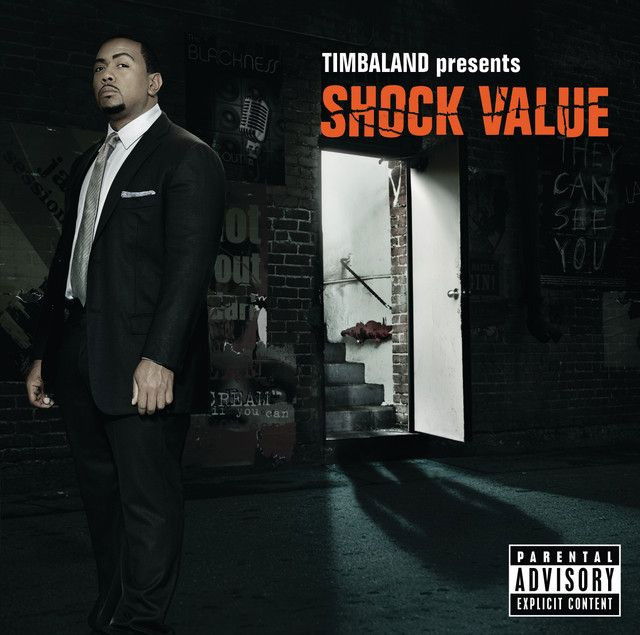
The meaning of Bounce Timbaland, Missy Elliott, Justin Timberlake, Dr. Dre starts with movement, but it does not end there. On the surface, this is a loud club song built for dancing, swagger, and shock. Under that surface, it is also a snapshot of mid-2000s pop rap, where star power, sexual boasting, and beat-driven energy mattered as much as story.
"Bounce" - Timbaland, Missy Elliott, Justin Timberlake, Dr. Dre
(Tempo has reached critical level)
Huh, bounce, oh, I like you, bounce
Loading lyrics...
Unable to load lyrics
We're unable to display the lyrics at this time. Please try again later.
Released on Timbaland’s 2007 album Shock Value and later pushed as a U.S. promotional single in 2008, the track also appeared on the Step Up 2: The Streets soundtrack. Those facts matter because they place the song in a dance-first setting, not a confessional one. It was part of a blockbuster collaboration era for Timbaland, whose album mixed hip-hop and R&B with a long guest list and sold strongly despite mixed reviews.
The Song’s Core Idea Is Simple by Design
At its center, “Bounce” is about using the club as a stage for desire and dominance. The repeated hook asks bodies to move, but the verses treat that movement as proof of attraction, wealth, and control. When the chorus repeats bounce
, it is less a poetic image than a command.
That simplicity is intentional. Timbaland often built records around sharp, unforgettable rhythmic ideas, and here the word itself becomes percussion. The message is blunt: the night is for dancing, showing off, and chasing pleasure.
Interpretation: The song is not trying to reveal hidden feelings. It is trying to create a mood where appetite becomes the whole point.
Watch the official Bounce
music video
How Each Voice Builds the Song’s Meaning
Dr. Dre Brings Threat and Status
Dr. Dre’s verse frames the club as a place where money and intimidation carry weight. He mixes flirtation with power plays, turning desire into something transactional and competitive. Even a phrase like still a boss
tells listeners how they are supposed to hear him: untouchable, rich, and in command.
That makes his verse important to the song’s meaning. It is not just lustful; it is hierarchical. He presents romance as conquest and nightlife as a ranking system.
Missy Elliott Flips the Energy
Missy Elliott’s verse shifts the track from male pursuit to female self-display and control. She is just as explicit, but her delivery feels playful, self-aware, and performative. When she boasts about luxury and sexual confidence, she turns objectification into self-branding.
A short phrase like only buy the bottles
sums up her angle. She is not chasing approval; she is announcing value. That difference gives the song a more layered dynamic, even when the lyrics stay very physical.
Justin Timberlake Locks in the Hook
Justin Timberlake’s main job is to make the record sticky. His chorus is repetitive on purpose, and lines such as c'mere, girl
turn the song into a chant. He acts like the bridge between rap bravado and pop accessibility.
Without that hook, “Bounce” would feel more like a collection of verses. With it, the song becomes a full club engine.
The Chorus Turns Dancing Into a Symbol
The hook keeps returning to motion, but it also suggests emotional escape. One line nudges a sad woman to loosen up, then redirects that feeling into physical contact. In other words, the song treats dancing as a cure-all.
Why you lookin' so sad?
Baby girl, you need to cheer up
That is one of the clearest clues to the track’s worldview. Problems are not solved through reflection here. They are drowned out by noise, bodies, and momentum.
Interpretation: “Bounce” sells the fantasy that the club can erase worry. Whether that feels fun or shallow depends on the listener.
Timbaland’s Production Is Half the Meaning
The production does a lot of interpretive work. “Bounce” appears on Shock Value, a crossover-heavy album released April 2, 2007, and the track features Dr. Dre, Missy Elliott, and Justin Timberlake. It also uses an uncredited sample of Klein + M.B.O.’s “Dirty Talk,” which adds a sleek, synthetic club lineage to the song’s feel.
The beat is mechanical, punchy, and relentless. Instead of warm live grooves, Timbaland leans into clipped drums, electronic textures, and a stop-start rhythm that feels almost physical in the chest. That matters because the song is about bodily response; the beat practically demonstrates the title.
There is also humor in the production. The opening warning about the tempo reaching a critical level sounds exaggerated, almost like a parody of high-energy club culture. Timbaland often balanced seriousness with cartoonish sound design, and that mix keeps “Bounce” from sounding accidental. It is excessive because excess is the concept.
Context From the Shock Value Era
“Bounce” makes more sense when heard as part of Timbaland’s hitmaking phase. Shock Value featured a huge lineup of guests and became a major commercial success, debuting at No. 5 on the Billboard 200 and eventually selling over two million copies in the U.S., according to the research provided. Reviews were mixed, but the album’s importance was its range and reach.
That context helps explain why “Bounce” feels more like an event than a diary entry. These artists were playing with celebrity personas. Dr. Dre is the untouchable mogul. Missy is the fearless wild card. Timberlake is the hook specialist. Timbaland is the architect holding the whole thing together.
Final Take on “Bounce”
So, what is the meaning of Bounce Timbaland, Missy Elliott, Justin Timberlake, Dr. Dre? It is the meaning of pure club performance: movement as seduction, swagger as identity, and rhythm as the real storyteller. The lyrics are intentionally blunt, but the collaboration and beat give that bluntness shape.
For some listeners, the song is just a raunchy dance track. For others, it captures an era when pop rap used excess itself as entertainment. Both readings can be true.
Disclaimer: This interpretation mixes documented context with critical reading. As with most songs, meaning can vary by listener.









