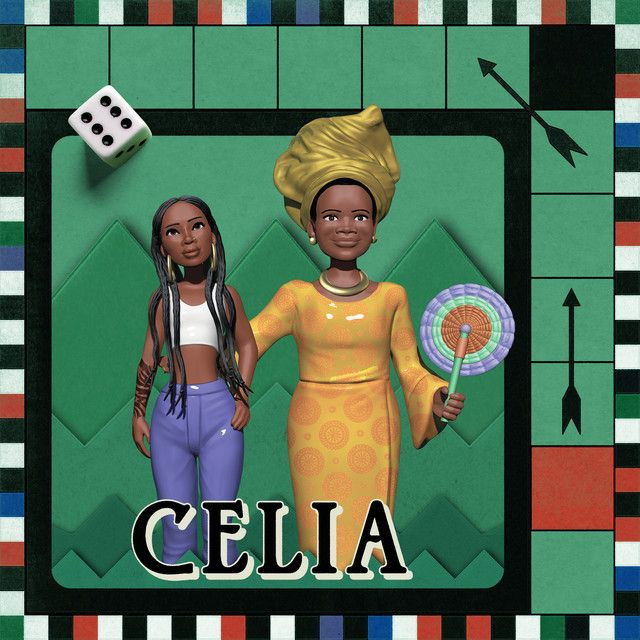
Koroba by Tiwa Savage
What makes this song hit so hard is that it sounds fun before its message sinks in. The meaning of Koroba Tiwa Savage revolves around pleasure, pressure, and hypocrisy. Tiwa Savage builds a song that can work on the dance floor, but underneath the groove, they point at social inequality, moral judgment, and the cost of trying to enjoy life in public.
"Koroba" - Tiwa Savage
(Eh, London)
I no come this life to suffer
Loading lyrics...
Unable to load lyrics
We're unable to display the lyrics at this time. Please try again later.
A Dance Song With Teeth
On the surface, “Koroba” sounds playful and catchy. The hook repeats in a way that invites movement, and the rhythm keeps things light. But the verses tell a tougher story. The speaker says they did not come into life just to suffer, using a blunt survival mindset to frame everything that follows.
That opening matters. It turns the song into more than a celebration of money or enjoyment. It becomes a defense of pleasure in a world that often denies it to ordinary people. When the lyrics mention politicians and newspapers, the song shifts from personal attitude to social commentary.
Interpretation: Tiwa Savage seems to be asking why some forms of public excess are condemned while others are protected. The song does not praise greed. It exposes double standards.

Watch the official Koroba
music video
The Core Message Behind the Verses
One of the sharpest ideas in the song is that people are judged for trying to enjoy life, while bigger abuses of power are treated as normal. A line like I no come this life to suffer
sounds direct and personal, but it also sets up a wider complaint about unfair systems.
Later, the song contrasts personal enjoyment with public money and scandal. The mention of national budget
is especially biting. Instead of using formal protest language, Tiwa Savage folds political frustration into everyday speech. That makes the criticism feel natural, even funny, while still landing hard.
Another important phrase is Monkey dey worki, baboon dey chop
. In plain terms, that proverb points to exploitation: one group does the labor, another takes the reward. It is one of the clearest keys to the song’s meaning.
Why the Chorus Feels Like a Public Call-Out
The repeated Koroba
hook is part of what gives the song its edge. Because the word is repeated so often, it starts to feel like a chant aimed at everyone listening. The idea of carry your something
sounds like a call to own one’s baggage, scandal, or consequences.
Interpretation: The chorus can be heard in two ways:
- As a playful party instruction.
- As a mocking public call-out.
That double meaning is why the hook works so well. It keeps the song open. Listeners can dance to it, laugh at it, or hear it as satire.
Gender, Judgment, and Public Morality
The song also hints at how women are watched and judged. Early on, the speaker suggests that if they followed a certain path around politicians, the public would label it in a degrading way. That line matters because it shows how quickly women’s choices are moralized.
At the same time, the song points out that men with money or power often escape the same level of scrutiny. Later, when someone is accused of taking money they did not earn, the blame expands outward. The issue is no longer one person’s wrongdoing. It becomes a whole social pattern.
This is one reason “Koroba” feels broader than a simple flex anthem. It speaks from inside a culture of gossip, scandal, and unequal standards.
How the Sound Carries the Meaning
Musically, “Koroba” leans on a bright Afrobeats pulse: lively percussion, a bouncing groove, and a vocal delivery that sounds cool rather than heavy. That choice matters. If the production were darker, the message might feel preachy. Instead, the beat lets Tiwa Savage smuggle criticism into a song built for replay.
Their delivery is key too. They move between teasing, warning, and amused disbelief. That emotional mix helps the song feel clever instead of bitter. Even a phrase like Bad commando
lands with attitude rather than melodrama.
Interpretation: The production mirrors the song’s message. It says people often hide pain, anger, and social critique inside humor, style, and rhythm.
Artist Context Makes the Song Sharper
Tiwa Savage has long balanced mainstream appeal with confidence, control, and social awareness in their music and public image. “Koroba” fits that pattern. It is polished enough for pop success, but pointed enough to reward close listening. The provided writing credits list Michael Hunter, Michael Ovie Ikaka, Michael Segun Ajayi, and Tiwa Savage as songwriters.
That combination helps explain why the record feels both immediate and layered. It uses accessible language, but the images carry political and cultural meaning. For U.S. listeners, some phrases may sound highly local at first. Still, the central idea is universal: people at the top take more than they should, while everyone else is told to behave.
So What Is the Meaning of Koroba Tiwa Savage?
In the end, the meaning of Koroba Tiwa Savage is about refusing silent suffering while exposing a corrupt social script. The song celebrates enjoyment, but it does not do so blindly. It asks who gets punished for pleasure, who profits from the system, and why public shame is applied so unevenly.
That is why “Koroba” lasts beyond its hook. It is catchy, funny, and sharp at the same time. Tiwa Savage turns a club-ready song into a clever critique of money, morality, and survival.
Final Take
“Koroba” works because it never chooses between entertainment and meaning. It gives listeners both. Interpretation: its smartest move is making social criticism sound so effortless that the message arrives after the beat already has the room moving.
Disclaimer: This article offers an interpretation of the song based on its lyrics, sound, and available context. Meanings can vary from listener to listener.








