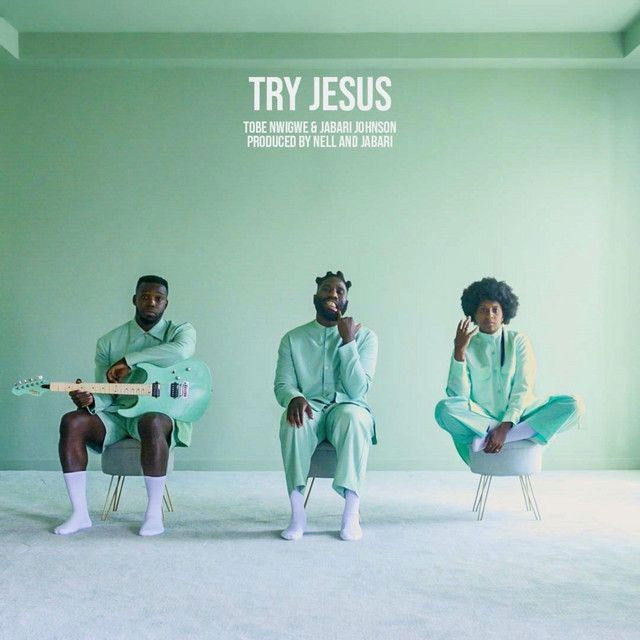
Why ‘TRY JESUS’ Hits So Hard
The meaning of TRY JESUS Tobe Nwigwe, Jabari Johnson comes down to one sharp idea: faith does not erase human emotion. The song is funny on the surface, but its message is about the hard gap between Christian teaching and real-life reactions. In plain terms, they are saying a person can love God, know scripture, and still be honest that they may defend themselves if pushed too far.
"TRY JESUS" - Tobe Nwigwe, Jabari Johnson
Not me
'Cause I throw hands
Loading lyrics...
Unable to load lyrics
We're unable to display the lyrics at this time. Please try again later.
That mix of humor, honesty, and warning is what made the song stick. It sounds like a church phrase turned into a street-level boundary line.
A Hook That Turns Faith Into a Boundary
At the center of the song is a simple contrast. The singer keeps pointing people toward Christ with Try Jesus
, then draws a line with don’t try me
. Before and after those phrases, the song makes clear that this is not a rejection of faith. It is a confession that spiritual ideals and human instincts do not always line up neatly.
That tension is the whole point. The hook works because it is easy to laugh at, but it also says something many listeners recognize: some people believe in peace, yet still feel ready to protect themselves or their family.
Interpretation: The song is not celebrating violence so much as admitting temptation, pride, and survival instinct. Its power comes from that honesty.

Watch the official TRY JESUS
music video
The Real Conflict Is Inside the Speaker
The most important struggle in the lyrics is not with an outside enemy. It is inside the speaker. They know what Jesus taught about mercy and restraint, yet they admit those teachings are hard to live out in a heated moment.
That inner clash appears when the song references being slapped and turn the other cheek
. The lyric paraphrases a biblical principle of non-retaliation, then immediately pushes back against how difficult that command feels in real life. This is why the song connects with churchgoers and non-churchgoers alike: it presents spiritual conflict in plain speech.
Instead of sounding polished or overly holy, the speaker sounds human. They are not pretending to have mastered patience. They are confessing that they have not.
Family, Respect, and Protective Instinct
Another key layer in the song is protection. When the lyric shifts toward anyone who touches me or mine
, the issue becomes bigger than personal pride. Now the song is about loyalty, family, and the instinct to guard loved ones.
That detail matters because it changes the emotional stakes. The speaker is not only saying, “Respect me.” They are saying that threats against their people trigger a deeper response. In many communities, that feeling carries moral weight. Looking after one’s own is often seen as duty, not just temper.
Interpretation: This is one reason the track resonated so widely in the United States. It blends religious language with everyday ideas about respect, safety, and standing up for family.
Why the Repetition Matters So Much
Musically and lyrically, repetition does the heavy lifting. The song repeats its core phrases until they feel like both a warning and a chant. That simplicity is part of the design. Rather than using complex verses, it drills one memorable contrast into the listener’s mind.
Try Jesus
Please don’t try me
Because I fight
That short refrain sums up the full emotional world of the song. It is devotional language placed right next to raw self-defense talk. The result feels half testimony, half caution sign.
From a songwriting standpoint, that economy is smart. Written by Jabari Johnson, Lanell Grant, and Tobe Nwigwe, the track uses minimal wording to create a big personality. It sounds conversational, but it is tightly built around contrast and repetition.
How the Sound Strengthens the Message
The production helps the meaning land. The song does not need busy instrumentation because the lyric itself is the event. A steady gospel-rooted feel and firm rhythm give it the energy of a call-and-response moment. That church-adjacent style makes the warning sound even sharper.
Tobe Nwigwe’s artistic world often blends faith, discipline, and grounded realism, so his presence fits naturally here. His style tends to make direct lines feel weighty rather than throwaway. In that context, the song becomes more than a viral punchline. It feels like a statement about spiritual life under pressure.
The vocal delivery matters too. They do not sing these lines with soft uncertainty. They deliver them with conviction, which makes the conflict feel lived-in, not theoretical.
More Than a Meme, Less Than a Sermon
Part of the song’s appeal is that it lives between two spaces. It is too witty to be a strict sermon, but too revealing to be only a joke. That middle ground gave it broad reach. Listeners could quote it for humor, while also recognizing the deeper truth behind lines like I throw hands
.
That phrase is intentionally blunt. It strips away polished religious language and replaces it with everyday speech. This makes the song feel accessible. It does not talk down to listeners or hide its flaw.
Interpretation: The track may also be heard as a comment on performative holiness. Instead of pretending believers never struggle, it admits that faith often exists alongside anger, ego, and unfinished growth.
Why the Song Still Connects
The meaning of TRY JESUS Tobe Nwigwe, Jabari Johnson lasts because the song captures a real contradiction. Many people want to live by grace, but they also know their patience has limits. The song gives that conflict a catchy form without hiding its seriousness.
In the end, its message is simple: trust God, respect people’s boundaries, and do not confuse faith with passivity. That honesty is what makes the song memorable.
Disclaimer: This article offers interpretation based on the lyrics and publicly known artist context. Song meaning can vary from listener to listener.








