
Why Toby Keith's Funniest Hit Cuts Both Ways
The joke at the heart of the song
The meaning of You Ain't Much Fun Toby Keith starts with a country-comedy twist: a man quits drinking, starts acting responsible, and then complains that life at home has become less exciting. On the surface, that is the whole gag. He used to stagger in late, cause trouble, and treat his wife badly. Now that he is sober, he spends his time fixing things, doing chores, and feeling sorry for himself.
"You Ain't Much Fun" - Toby Keith
Barking like a dog, howling at the moon
You'd be mad as an ol' red hen, up all night wonderin' where I been
Loading lyrics...
Unable to load lyrics
We're unable to display the lyrics at this time. Please try again later.
That setup is funny because the singer acts like they are the victim, even though the verses make clear that they created the problem. The title line lands as a punchline, but it also exposes selfish thinking. They want credit for cleaning up their act, yet they still resent the ordinary duties that come with being a decent partner.
Watch the official You Ain't Much Fun
music video
A comic narrator who tells on himself
One of the smartest things about the song is that the narrator is not fully reliable. They describe their old behavior with wild humor, including barking like a dog
and howling at the moon
. Those phrases are exaggerated and playful, but they point to real chaos. This was not harmless partying. It kept their partner awake, worried, and angry.
When the chorus arrives, the joke gets sharper. They say, you ain't much fun
and blame the relationship's new mood on sobriety. But the song keeps giving listeners clues that the wife is not the problem. She is reacting to years of late nights, messes, and broken trust.
Interpretation: the humor works because the narrator accidentally reveals their own immaturity. They think they are delivering a clever complaint, but they are really confessing that adulthood feels harder than drinking did.
The story unfolds one chore at a time
The verses move in a simple timeline, which helps the meaning come through clearly.
- First, they remember their reckless drinking days and the trouble it caused at home.
- Next, they describe sober life as a nonstop list of repairs and errands.
- Finally, they compare the old damage of alcohol with the grind of domestic work.
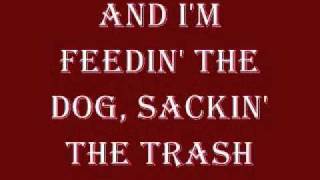
That middle section matters most. The song piles up tasks like painting, mending, feeding the dog, taking out trash, fixing the sink, and mowing the grass. The list is funny because it sounds endless. But it also serves a deeper point: sober life is no longer built on escape. It is built on responsibility.
The line about being up here on the wagon
frames sobriety in old-school country language. It is casual and witty, yet it signals a real lifestyle shift. They are not just skipping drinks. They are living in a new moral routine, and they do not enjoy it.
Marriage, labor, and the price of growing up
At its core, the song is about more than alcohol. It is about marriage after bad habits stop being romantic or funny. Once the drinking ends, the couple still has a house, a yard, a dog, bills, repairs, and old resentment. Sobriety does not erase that.
That is why the chorus stings a little. The husband frames the wife as less enjoyable now, but the song quietly shows that she is asking for the basics. She wants help, consistency, and follow-through. In other words, she wants partnership.
A key line compares drinking to one kind of damage and chores to another kind of pain. The narrator jokes that they could have died drinking, but now work is wearing them out. It is a funny complaint, but it also shows how self-pity can survive even after self-destructive behavior stops.
Interpretation: the song suggests that quitting one vice does not instantly create emotional maturity. They may be sober, but they are still self-centered.
How the sound keeps it light
Musically, this is classic mid-1990s mainstream country: bright, sturdy, and built for a grin. The arrangement gives the song bounce instead of heaviness, which is important because the subject could have turned dark. Rather than sounding tragic, the track moves with a barroom swing and working-class energy.
That production choice supports the lyric's tone. Toby Keith sings the complaint with charm, not confession. His delivery leans into the joke, letting the audience laugh first and think second. The band keeps things grounded with a lively rhythm section and a clean country feel, so the song never sounds like a lecture about addiction.
That balance helped the track fit the style of Keith's 1995 album Boomtown, where everyday characters, plain talk, and humor were central to the appeal.
Where the song came from matters
Context adds a lot to the meaning of You Ain't Much Fun Toby Keith. According to Songfacts, Toby Keith co-wrote the song with bassist Carl Goff Jr. after Goff described quitting drinking and suddenly getting buried in home repairs. Keith recalled the idea came from a real-life complaint, including the line that became the chorus.
That backstory explains why the song feels so specific. The chores are not random details. They sound lived-in. The humor also feels conversational, like a story told on a bus and turned into a song before the punchline cooled off.
It is also worth noting what the song does not do. It does not present recovery as noble inspiration. It presents it as irritating, tiring, and very human. That honesty is a big reason listeners remember it.
Why listeners still respond to it
The song endures because it works on two levels at once:
- as a funny country single with a sharp hook
- as a portrait of a flawed person resisting change
Some listeners hear only the joke. Others hear a marriage under strain. Both readings fit. The writing is simple enough for a laugh, but pointed enough to carry irony.
Final takeaway
In the end, the meaning of You Ain't Much Fun Toby Keith is not really that sobriety ruins fun. It is that responsibility feels unfair to someone who is used to escape. The song turns that childish complaint into a great country hook, while quietly showing the mess beneath the laugh.
Disclaimer: This interpretation blends lyrical analysis with available background information. Song meaning can vary from listener to listener.








