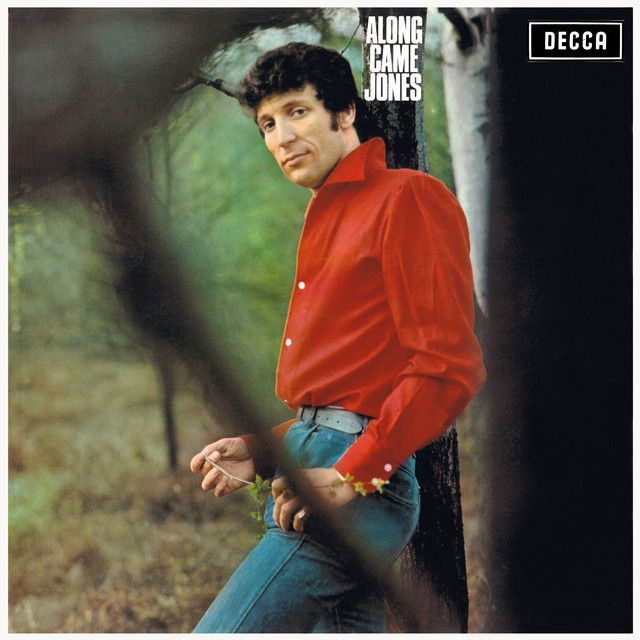
Why “It’s Not Unusual” Smiles Through Heartbreak
They still hear it at weddings, ballgames, and sitcom reruns, yet the meaning of It’s Not Unusual Tom Jones runs deeper than its sunny swing. Beneath the brass and bounce is a guy trying to look cool while love stings.
"It's Not Unusual" - Tom Jones
It's not unusual to have fun with anyone
But when I see you hanging about with anyone
Loading lyrics...
Unable to load lyrics
We're unable to display the lyrics at this time. Please try again later.
The Quick Read: Cool Pose, Hot Pain
On the surface, the narrator shrugs off romance as everyday life. He opens with It's not unusual to be loved by anyone
, as if nothing can rattle him. But the act slips the moment he sees his crush with someone else. The song is about jealousy, unrequited love, and denial—trying to normalize what hurts to avoid looking desperate.
Watch the official It's Not Unusual
music video
Who’s Talking, And What They Want
The voice is first‑person and direct, aimed at someone he adores but can’t claim. He insists he’s fine, then admits it kills him to see me cry
and even blurts I wanna die
. Those short flashes of honesty cut through the bravado. Interpretation: he’s performing emotional containment in public while confessing the truth in private.
What Actually Happens (In Two Tight Minutes)
- He sets a casual tone, treating love as common and ordinary.
- Then he sees her with others and collapses emotionally.
- He generalizes the chaos of romance—
Love will never do
what he wants—so the pain feels fated, not personal. - Finally, he pleads with a burst of hope:
Why can't this crazy love be mine?
Each beat swings between mask and confession, turning a dancefloor anthem into a mini‑drama.
Why The Refrain Cuts Both Ways
The hook “it’s not unusual” works like a shield. Interpretation: by insisting his feelings are normal, he tries to shrink his humiliation. But repetition also highlights how often he’s hurting. When he snaps, It's not unusual to be mad
, anger joins sadness—another “ordinary” emotion he pretends to master.
How The Sound Sells The Story
Clocking in at just over two minutes, the record fires like a starter pistol: bright trumpets, a percussive backbeat, and a crisp guitar break. Arranger Les Reed clothes the lyric in a horn‑driven orchestral pop setting, while producer Peter Sullivan pushes Jones to sing with more bite than the early “nice” takes. The performance leaps from the speakers—playful on the surface, yet clenched with urgency when his voice vaults into those dramatic lines.
Session personnel accounts differ, but contemporary reports point to top London players with a punchy brass section, and the cut was tracked at Decca Studios late in 1964. That professional sheen explains why the record feels both live‑wire and impeccably tidy—ideal for radio and TV.
The Breakthrough And Cultural Afterlife
Written by Gordon Mills (lyrics) and Les Reed (music), the song was initially pitched to Sandie Shaw. Jones’s demo was so definitive that he kept it and released it in early 1965. It hit No. 1 in the UK and reached No. 10 on the US Hot 100, launching his international career. Reportedly, the BBC first balked at playing it, but pirate radio and TV appearances—especially multiple turns on The Ed Sullivan Show—amplified its momentum.
Decades later, the song’s bounce found new life in the 1990s via The Fresh Prince of Bel‑Air’s “Carlton dance,” cementing it as a feel‑good staple. That cultural wink actually suits the lyric’s double edge: we dance while he bleeds a little inside.
Alternate Angles Worth Considering
- Interpretation: Stoic swagger. The refrain is male bravado—he insists this pain is common to prove he’s tough enough to handle it.
- Interpretation: Light satire. The chipper arrangement and dramatic outbursts humorously exaggerate the ways pop singers romanticize jealousy.
Both readings sit comfortably with how Jones delivers the song—half grin, half growl.
Why It Endures
- Emotional dissonance: happy groove, hurt feelings—a timeless combo.
- Memorable hook: a simple phrase that reframes every verse.
- Performance: Jones’s powerhouse vocal sells the stakes instantly.
- Brevity: no filler; every bar moves the story.
For listeners in the United States today, the meaning of It’s Not Unusual Tom Jones still lands because it mirrors real life: people smile through heartbreak all the time. The record turns that awkward truth into a communal sing‑along.
Takeaway
It’s a danceable postcard from the edge of jealousy—catchy enough for parties, honest enough to sting. The narrator acts unbothered, then tells on himself. That tension is the whole charm.
Disclaimer: Song meanings are interpretations based on available facts, artist context, and lyrical analysis; individual listeners may hear it differently.








