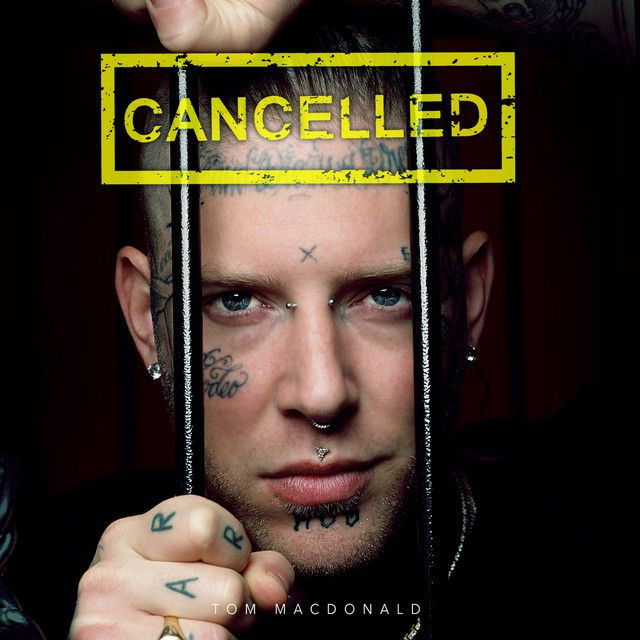
Why "Cancelled" Is Tom MacDonald’s Manifesto
The meaning of Cancelled Tom MacDonald starts with a simple idea: they turn public backlash into proof of survival. Instead of treating criticism as a threat, the song treats it like fuel. That is why the track feels less like an apology and more like a dare.
"Cancelled" - Tom MacDonald
I'm fully independent, there's no label who can drop me
Y'all been starting rumors, let me help you with some, yeah
Loading lyrics...
Unable to load lyrics
We're unable to display the lyrics at this time. Please try again later.
Tom MacDonald built much of their audience through independent releases and a direct online presence. In that context, a song about being impossible to silence fits their public image. The lyrics argue that if an artist owns the work, the audience, and the brand, then traditional forms of punishment lose power.
The Core Message Hiding in Plain Sight
At its center, “Cancelled” is about control. The speaker says there is no label to remove them and no sponsor to pressure them. When they boast “the brand is me”
, the point is not subtle: their career is designed to survive outrage.
That matters because the song is not only complaining about critics. It is also advertising a business model. Interpretation: MacDonald presents cancellation as something that works best on artists who depend on gatekeepers. If they are outside that system, backlash becomes free publicity instead.
The chorus sharpens that message. When the hook insists critics “can’t cancel the kid”
, it reframes hate as noise. The emotional effect is blunt and confrontational, but the idea underneath is strategic: attention still keeps the artist in the conversation.
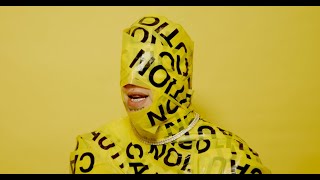
Watch the official Cancelled
music video
A Persona Built for Conflict
The song’s voice is aggressive, funny, defensive, and proud at once. They list insults people throw at them, then answer with mockery and exaggeration. That style matters because it turns accusation into theater.
In several places, the song sounds like battle rap more than diary writing. Violent images, bragging, and taunts raise the temperature. Interpretation: this suggests the track is not just reporting how they feel; it is performing toughness for an audience that expects pushback, swagger, and spectacle.
That is why lines about being hated do not sound wounded for long. Even when they admit critics are loud, they quickly recast themselves as stronger, louder, and harder to intimidate. The persona survives by never sounding uncertain.
How the Lyrics Turn Outrage Into Identity
One of the key moves in the song is the way it gathers many accusations into one pile and rejects all of them at once. By repeating labels used against them, MacDonald makes the argument that outrage culture flattens people into caricatures.
Then the song goes further. It says controversy is now part of the artist’s identity. Phrases like “I’m not playing it safe”
and “I own the masters”
tie personal defiance to career independence. The message is that risk is not a side effect; it is the product.
There is also a strong anti-mainstream thread. The speaker claims they could have chased playlists, awards, and industry approval, but chose not to. Interpretation: whether a listener believes that claim or not, the song uses it to separate “truth” from “industry polish.” In that frame, being rejected becomes a badge of authenticity.
Wolves, Sheep, and Martyr Imagery
The imagery is not random. MacDonald repeatedly divides the world into predators and followers. When they say “I’m a wolf”
, they cast themselves as dangerous, independent, and alone. The opposing image is sheep: people who follow trends, social pressure, or public narratives.
Religious imagery adds another layer. The references to crosses, devils, and the apple tree make criticism sound almost biblical. Interpretation: this does not mean the song is strictly religious. It means the writing borrows martyr language to make public condemnation feel moralized and dramatic.
That is a big part of the song’s appeal. It invites listeners who feel judged, mocked, or pushed around online to see themselves in the same story. Even if their lives are not as dramatic, the emotional pattern is familiar: accusation, resistance, and self-definition.
Why the Sound Feels Like a Fight
The production supports the message by staying hard-edged and forceful. The beat is heavy, the cadence is clipped, and the chorus is built to be chanted back. Nothing in the arrangement suggests doubt or quiet reflection.
The performance also matters. MacDonald’s delivery moves between sneer, shout, and rapid-fire boast. That gives the song a combative rhythm, as if every bar is a rebuttal. Interpretation: the sound design helps turn the track into a confrontation, not a conversation.
Because the song was written by Tom MacDonald and Nova Paholek, its message of self-definition also fits the song’s DIY framing in the lyrics. Even without needing every production credit, the track clearly wants listeners to hear control, ownership, and self-reliance in both content and form.
The Strongest Reading of the Song
The best way to understand the meaning of Cancelled Tom MacDonald is to see it as both defense and branding. On one level, it argues that independent artists are harder to silence. On another, it turns cultural conflict into a marketing advantage.
That double meaning is why the song stays provocative. Supporters may hear courage and honesty. Critics may hear self-mythology and attention economics. Both responses are grounded in the text, because “Cancelled” proudly blurs conviction and promotion.
Final takeaway
“Cancelled” is less about losing a platform than about proving they never needed permission in the first place. It is a song about conflict, but even more, it is a song about ownership.
Disclaimer: This article offers interpretation based on the lyrics and public artist context. Song meaning can vary from listener to listener.









