Why "Festival" Feels Hopeful After the Blur
The meaning of Festival Tom Misch, Yussef Dayes comes down to a simple but moving idea: people can lose clarity, drift from old joy, and still remain connected to what matters. The song does not tell a detailed story. Instead, it sketches a relationship and a mindset in fragments—warmth that no longer lands, memories of youth, a long drive, and a repeated reminder that they are still here
.
"Festival" - Tom Misch, Yussef Dayes
When the sun comes through, why, my dear?
Don't forget when we were younger, no fair, no fair
Loading lyrics...
Unable to load lyrics
We're unable to display the lyrics at this time. Please try again later.
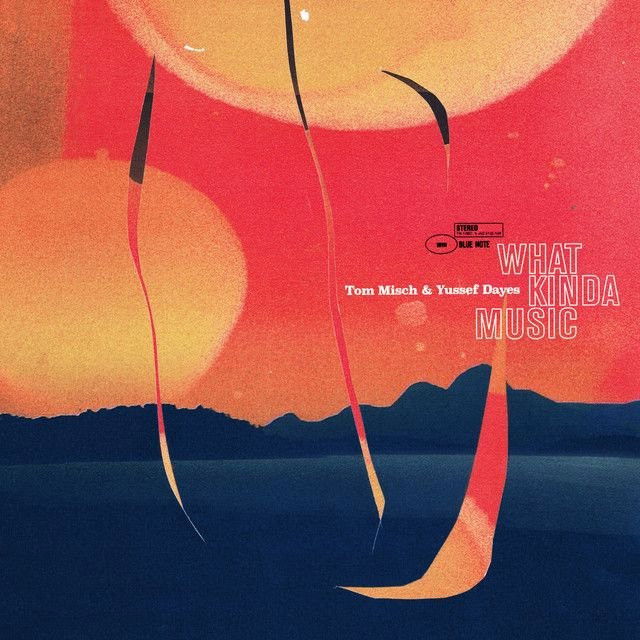
That emotional mix fits the world Tom Misch and Yussef Dayes built together on What Kinda Music, their 2020 collaborative album, released by Blue Note Records and built from jazz, soul, funk, and groove-based improvisation. The album credits and release details are documented by Blue Note Records and Discogs. In that context, "Festival" feels less like a plot-heavy song and more like a mood piece about surviving confusion.
A Song About Distance Without Total Loss
At the start, one person says they do not feel warm even when sunlight arrives. That image matters because sunlight usually stands for comfort or healing, yet here it fails. When the lyric mentions don't feel warm
, the song suggests emotional numbness rather than physical cold.
Then it turns toward memory. The reference to being younger and the phrase no fair
make the past feel playful, but also slightly painful. They are not just remembering youth; they are measuring the present against it. The result is a song about disconnection that never becomes total despair.
Watch the official Festival
music video
Who They Seem To Be Addressing
The speaker appears to be talking to someone close—possibly a partner, a friend, or even a former version of themselves. Interpretation: the direct address makes the song feel intimate, but the lyrics keep the relationship open enough for listeners to insert their own story.
That ambiguity helps the song. Instead of naming a breakup or a fight, it shows what emotional drift feels like. The other person is near enough to speak to, but far enough that warmth no longer comes easily.
The Journey Hidden Inside the Verses
One of the clearest images is movement. The song describes going a long distance and pushing ahead until the weather clears. When it uses Hundred miles
and pedal on the floor
, it frames emotional recovery like a road trip.
That matters because driving in songs often means escape. Here it seems closer to persistence. They are not fleeing one disaster; they are trying to move through confusion until perspective returns.
From Youthful Height To Adult Uncertainty
The second verse gets more self-aware. The line about tunnel vision
points to narrowed thinking and missed perspective. The speaker admits they were too locked into one way of seeing things.
Then comes one of the song’s smartest reversals: once they felt on top of the world, and later that same feeling became just another mountain to climb. In plain terms, what used to feel like victory now feels like work. That shift captures adulthood well. Success, love, or freedom can lose their shine when people are tired or emotionally blocked.
Why the Chorus Carries So Much Weight
The repeated hook is the heart of the song. By returning again and again to we're still here
, the track offers a small but strong answer to everything around it.
The verses are full of uncertainty: lost warmth, blurry memory, incomplete understanding. The chorus does not solve those problems. Instead, it says presence itself matters. Interpretation: survival is the victory. Not perfect joy, not total clarity—just the fact that the connection, however changed, has not disappeared.
All those moments come and go
Still don't know what I left behind
Those lines sharpen the song’s emotional core. Life passes, understanding stays incomplete, and yet the chorus refuses collapse.
The Symbols That Make "Festival" More Than Nostalgia
Several motifs hold the song together:
- Sunlight suggests healing that no longer works on command.
- Driving suggests momentum and effort.
- Mountains suggest challenge replacing wonder.
- Vision suggests the limits of self-knowledge.
- Youth suggests a freer past that may be partly idealized.
Together, these symbols turn the song into more than a memory piece. It becomes a meditation on how people change while trying to keep something alive.
How the Sound Deepens the Meaning
Tom Misch and Yussef Dayes are known for blending clean guitar lines, warm bass, fluid drumming, and jazz-informed improvisation, a style highlighted in coverage by NME and album information from Blue Note Records. That musical approach matters here.
The groove feels gentle but moving, which mirrors the lyrics. The rhythm section keeps the song in motion even when the words describe doubt. Misch’s melodic softness and Dayes’ elastic drumming create a feeling of travel—never rushed, never stuck.
Interpretation: that contrast is the point. The words admit emotional blur, but the music keeps breathing forward. It says that uncertainty can still have pulse, beauty, and direction.
A Few Plausible Readings
There are at least two strong ways to hear the meaning of Festival Tom Misch, Yussef Dayes:
- A relationship reading: two people look back on what changed and choose endurance over drama.
- A self-reflection reading: the speaker addresses their younger self and realizes maturity brings less certainty, but also resilience.
Both readings fit because the lyrics stay broad and image-driven rather than literal.
Why "Festival" Stays With Listeners
"Festival" resonates because it does not pretend recovery is dramatic. It shows something quieter: people lose perspective, miss old versions of life, and keep going anyway. That is why the closing feeling is not sadness alone. It is gratitude mixed with weariness.
For many listeners, that is the real power of the song. It does not say everything is fixed. It says they have made it this far, and that counts.
Disclaimer: This interpretation is based on the released lyrics, recording context, and publicly available credits. Like most poetic songs, "Festival" can support more than one valid reading.








