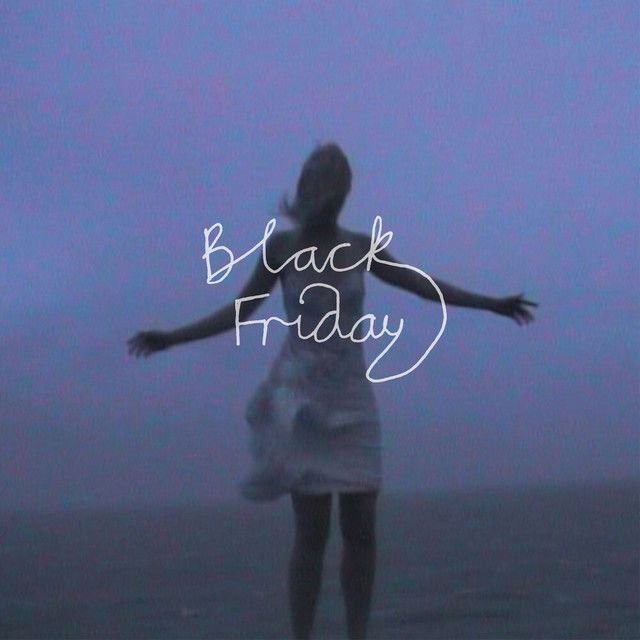
Why ‘Black Friday’ by Tom Odell Cuts So Deep
They come to Tom Odell’s song for the melancholy piano. They stay because it sounds like their inner voice finally admitted the truth. The meaning of Black Friday Tom Odell isn’t about sales—it’s about the cost of self-comparison and the fragile hope that love can steady a spiraling mind.
"Black Friday" - Tom Odell
I wanna be happy, could you show me how it's done?
You look so pretty, pretty like the sun
Loading lyrics...
Unable to load lyrics
We're unable to display the lyrics at this time. Please try again later.
What This Piano Confession Is Really Saying
Odell frames a night out as a tug-of-war between joy and anxiety. The narrator wants normalcy—parties, fun, happiness—then stumbles into panic. A line like I wanna go party
sets up a desire for ease, but fear quickly intrudes.
Interpretation: the song is a portrait of insecurity in a relationship. They adore someone kind and grounding, yet they can’t stop measuring themselves against others or an impossible ideal. When they confess I can't breathe
, it’s not just drama; it’s the body reacting to intrusive thoughts.
Who’s Speaking, and Who’s Being Held
The voice is first-person, speaking to a partner who keeps offering gentleness. Odell uses simple gestures—hand-holding, cheeks touching—to show emotional safety. The contrast is striking: the partner is you're so kind
, while the narrator calls themselves selfish. That imbalance is the core conflict. Love is present, but self-worth is missing.
Interpretation: they are not asking for grand gestures. They are begging their brain to accept the care that’s already there.
A Night Out, A Mind In: The Key Scene
Everything funnels into the taxi hook, where soothing touch meets mental noise.
It's Black Friday, we're in a black taxi
It's all in my head, it's all in my mind
The two-line refrain captures the duality: safety on the outside, storm on the inside. “Black Friday” works as a timestamp (end of the week) and a mood—heavy, overcast. The taxi’s soft intimacy can’t silence the narrator’s loop of doubt.
The Title’s Weight: Shopping Day or State of Mind?
On the surface, Black Friday is a shopping day—crowds, deals, urgency. Odell flips it into a metaphor for mental overload and a culture of comparison. They want a better self, naming specifics like I want better skin
. That hyperfocus reflects how consumer culture sells fixes for human worry.
Interpretation: the title points to the end-of-week crash and a darker mental palette. It also hints that chasing perfection is just another sale that never delivers.
Mirrors, Light, and Touch: Symbols That Matter
Odell builds the song on a few tactile images. The mirror reveals an unfamiliar self, signaling a gap between who they are and who they think they should be. Hand-to-cheek touch suggests compassion that counters shame. And the light/dark contrast—where one sees light and the other sees darkness—shows how perception fractures in anxiety.
When they ask what is happening to us?
, it’s really: what is happening to me, and will it ruin us? That small twist turns self-doubt into relationship doubt.
How Sound and Production Deepen the Sting
The arrangement is close and uncluttered. Piano leads, vocals sit upfront, and small dynamic blooms mirror breath catching and releasing. That restraint keeps attention on the confessions.
Fact: Odell wrote the song with Laurie Blundell and Max Clilverd, and produced it with Blundell and Alex Gould. The track later spread widely on social platforms, with fans using its body-image and self-comparison lines to speak about their own struggles. It even underscored a moving scene in Netflix’s Heartstopper, showing how the song travels beyond one narrator into a shared vocabulary of insecurity.
Interpretation: by keeping the sonic palette simple, they let listeners project their own stories. The quiet doesn’t compete with the lyrics; it frames them like a close-up.
The meaning of Black Friday Tom Odell, in plain words
- It’s a love song smudged by anxiety.
- It’s about comparing oneself to others and losing the plot.
- It’s about wanting joy but bracing for shame.
- It’s about finding that a tender hand can help—but can’t do the inner work for them.
Alternate Readings That Also Fit
Interpretation: the title could also critique consumer culture. The narrator longs to upgrade themselves like a product, chasing “perfect” the way people chase deals. Another reading: it’s the end-of-week exhaustion that narrows perspective—darkness blooms when they’re tired and overstimulated.
Both readings sit comfortably with the central story: a person who is loved, but not yet ready to believe they’re lovable.
Takeaway for Listeners
They hear a confession that sounds like theirs. Odell shows that tenderness doesn’t erase anxiety, but it can make space for breathing again. The song invites them to name the spiral so it loosens its grip.
Interpretation Note
Meanings offered here are interpretations based on the lyrics, public commentary, and production context. Listeners’ experiences may differ—and that’s part of the song’s strength.








