Why 'Gallo Del Cielo' Hits So Hard
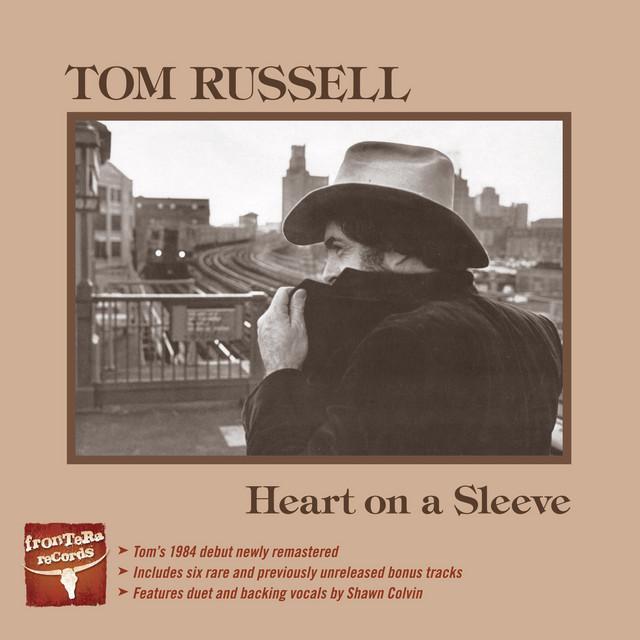
The meaning of Gallo Del Cielo Tom Russell starts with a gripping story, but it lands as something deeper than a simple tale of gambling and loss. Tom Russell, a respected American songwriter known for border ballads and western narratives, wrote the song as a tragic epic about a man who tries to win back dignity, land, and family honor through one desperate bet. According to Tom Russell, they built much of their reputation on story songs like this one.
"Gallo Del Cielo" - Tom Russell
No money in his pocket, just a locket of his sister framed in gold
He rode into El Sueco, stole a rooster called Gallo Del Cielo
Loading lyrics...
Unable to load lyrics
We're unable to display the lyrics at this time. Please try again later.
A Border Ballad About Hope Turning Into Ruin
On the surface, the song follows Carlos Zaragoza, who leaves home with almost nothing, steals a legendary rooster, and rides a streak of wins in cockfights across the Southwest. His goal is clear: make enough money to buy back land that was taken from his family.
That plot gives the song motion, but the emotional core is not really the rooster. It is Carlos's belief that one big victory can repair the past. He keeps looking backward, not forward. Each new town and each new wager feels like a step toward justice, yet it also pulls him further into obsession.
Interpretation: The song suggests that when a dream becomes tied to pride, it can stop being hopeful and start becoming destructive.
Watch the official Gallo Del Cielo
music video
The Real Stakes Are Family, Memory, and Shame
Carlos repeats his message to Theresa and clings to a picture framed in gold
. That small image matters because it stands for home, love, luck, and the life he wants to recover.
He is not chasing wealth for luxury. He wants to undo a wound inside the family. The repeated wish to recover what was stolen from his father turns the song into a story about inherited pain. The loss happened before this journey, but Carlos behaves as if he alone can set history right.
That is why the ending hurts. By the final verse, he has no money, no rooster, and not even the token of luck he carried. Worse, he decides he cannot return home. The song turns material loss into moral loss: he believes he would bring only shame.
How the Story Builds Its Tragedy
Russell writes the song like a traditional corrido or folk ballad, moving town to town and raising the stakes each time. The structure matters because it mirrors Carlos's rising confidence.
Three key turns in the plot
- He leaves Casas Grandes with almost nothing but purpose.
- He starts winning through the feared rooster,
Gallo Del Cielo
. - He risks everything on one last fight and loses both money and meaning.
The repeated addresses to Theresa work like checkpoints in the story. Early on, they sound hopeful. Later, they sound strained. By the end, they sound like a letter from exile.
no money in my pocket
I will not return
Those brief lines summarize the collapse. The dream of return is gone, and so is the self-image that carried him forward.
Why the Rooster Feels Larger Than Life
The song presents the bird as a near-mythic figure, a fighter with a fearsome reputation and damaged body. Its broken wings and one eye make it feel both heroic and doomed. It is not perfect; it survives through toughness.
That description links the bird to Carlos himself. Both are wounded figures trying to beat the odds. Both depend on violence to reclaim status. Both become legends in the eyes of others, but legends do not guarantee survival.
Interpretation: The rooster symbolizes borrowed power. Carlos thinks he controls fate because he possesses this champion, but he is really trusting a fragile body in a brutal world.
Sound and Style: Why the Song Feels Cinematic
Part of the meaning of Gallo Del Cielo Tom Russell comes from its style. Russell often writes in a narrative country-folk mode shaped by western swing, border music, and spoken-story detail. On the well-known recording by Joe Ely, the arrangement leans into that drama with acoustic drive and a steady rhythm that feels like travel.
The music does not rush. Instead, it paces the story like a film scene by scene. That gives the lyrics room to breathe and lets the place names, letters home, and fight descriptions hit with weight. The plainspoken language also helps. Russell does not dress the tragedy up in abstract poetry. They let the narrative do the work.
The result is a song that feels old and modern at once: part folk tale, part crime story, part family lament.
A Song About Masculinity and the Cost of Pride
The song also examines a certain kind of masculinity. Carlos believes he must restore the father's loss, prove courage, and win by force. His path is built on risk, secrecy, theft, and endurance.
That does not make him a villain. It makes him tragic. He is trying to be strong in a world where strength keeps getting measured through violence and public victory. The rooster fight becomes an arena where male honor is tested, and the song shows how cruel that logic can be.
When the bird dies, Carlos loses more than a bet. He loses the story he was telling himself about who he was.
Final Take: What the Song Means
At its heart, "Gallo Del Cielo" is about the danger of tying redemption to one impossible win. It is a border saga filled with movement, color, and suspense, but its deepest subject is grief passed down through family and carried as duty.
The song leaves listeners with a harsh truth: sometimes the need to reclaim the past can destroy the future. That is why the story lingers long after it ends.
Disclaimer: This interpretation is based on the lyrics, performance context, and available artist background. As with any narrative song, listeners may hear different meanings in its characters and symbols.








