Why Tom Waits Chases Saturday Night’s Heart
The meaning of (Looking for) The Heart of Saturday Night Tom Waits starts with motion. The song watches someone clean up, grab their date, and head into town, hoping the weekend will offer release. On the surface, it is a nightlife song. Under that surface, it is about longing for a moment that feels bigger than ordinary life.
"(Looking for) The Heart of Saturday Night" - Tom Waits
Behind the wheel
With your arm around your sweet one
Loading lyrics...
Unable to load lyrics
We're unable to display the lyrics at this time. Please try again later.
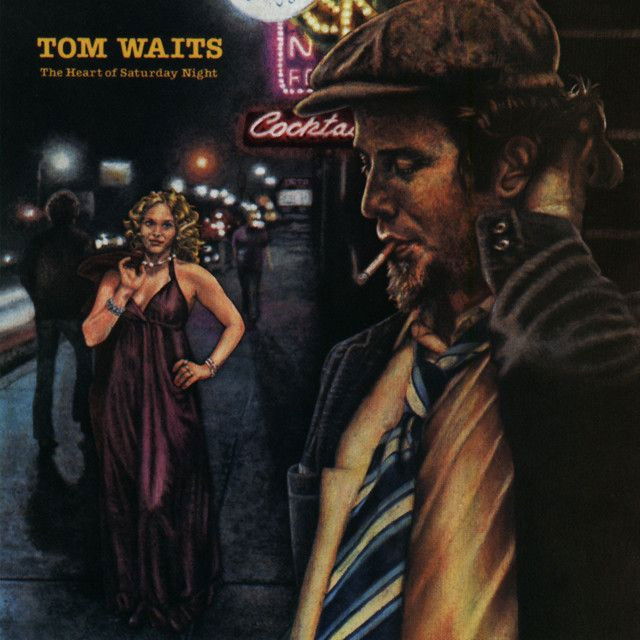
Tom Waits wrote the song and released it on The Heart of Saturday Night in 1974, during the early period when his records mixed jazz, pop, and street-corner storytelling. That album is widely seen as a key statement of his young-loser-romantic persona and urban writing style.
More Than a Night Out
At first, the song seems simple: someone fills up the car, slides behind the wheel, and goes hunting for fun. Phrases like behind the wheel
and barrelin' down the boulevard
frame Saturday night as a ritual. They are not just driving somewhere. They are driving away from the dead weight of the week.
That matters because the lyric spends time on preparation. The singer describes getting cleaned up and trying to erase the marks of work and routine. In plain terms, Saturday becomes a small rebirth. For one night, they can pretend life is still open, still glowing, still full of promise.
Interpretation: The “heart” is not one club or bar. It is the emotional center of the weekend: that instant when hope, money, romance, and freedom all seem possible at once.

Watch the official (Looking for) The Heart of Saturday Night
music video
The Real Drama Is Anticipation
One reason the song feels so alive is that it delays arrival. Most of the verses live in the build-up. The pockets are full, the city lights appear, and the body responds before anything has even happened. The line about seeing the lights and getting excited suggests that desire itself may be the real subject.
That delay tells listeners something important. Saturday night is powerful because people imagine it before they live it. They project their best hopes onto it. By the time they stop at a red light or turn onto a bright street, the fantasy is already in motion.
A Quick Story Map
- They leave the workweek behind.
- They dress up and cruise the city.
- They enter a world of bars, neon, and noise.
- Memory and sadness sneak into the fun.
- They finally stumble into the feeling they were chasing.
That last beat is crucial. The song does not end with victory in any grand sense. It ends in a half-dazed, human way: stumblin'
toward something they can feel but may not fully hold.
Neon, Pool Balls, and a Tear in the Eye
The strongest images in the song are small and sensory. Waits points to the crack of the pool balls
, the hum of neon, a ringing phone, and a barmaid’s glance. These are ordinary details, but together they create a whole social world.
They also reveal the song’s emotional split. Saturday night is exciting, but it is also fragile. The phrase melancholy tear
introduces a sadness that keeps the song from becoming a simple party anthem. People are not just out to celebrate. They are trying to feel less lonely, less stuck, less aware of time passing.
Interpretation: That is why the song feels tender. Its nightlife is not glamorous in a movie-star way. It is local, lived-in, and a little worn. The bars and boulevards are where working people go to recover a sense of self.
How the Chorus Changes the Meaning
The repeated search for the “heart” gives the song its larger meaning. A heart is the center of something, but it is also a symbol of feeling. So the title phrase works two ways at once. It suggests a city destination, and it suggests an emotional truth.
By the final section, the song hints that people do not fully control this search. At first they go looking for it. By the end, it almost seems to find them. That shift is subtle but powerful. Saturday night is not mastered; it is stumbled into.
How the Sound Supports the Story
The production helps explain why the song feels nostalgic rather than wild. Waits’ early 1970s style often used warm piano, brushed percussion, soft horns, and a loose bar-band feel. Instead of sounding hard or aggressive, the arrangement usually drifts and glows, like city light on a windshield.
That sound matters to the song’s meaning. A louder rock arrangement might have made it a pure weekend anthem. This gentler, jazz-leaning style leaves room for wistfulness. Even when the beat moves forward, the mood looks backward.
Their voice also carries the theme. Waits sings with a weathered warmth that makes the narrator sound both young and already nostalgic. That tension fits the lyric perfectly: they are living the night while also mourning how quickly such nights pass.
Why the Song Still Connects
For many listeners in the United States, the song captures a familiar weekly cycle. Work drains people; the weekend promises renewal. But Waits understands that the promise is never complete. Saturday night can feel magical, yet the magic is mixed with memory, alcohol, romance, and disappointment.
That is the lasting power of the meaning of (Looking for) The Heart of Saturday Night Tom Waits. It says the best nights are not perfect. They are crowded, noisy, slightly sad, and briefly beautiful. The heart of Saturday night is the moment when people feel alive enough to forget the week, even if only for a few hours.
Disclaimer: This interpretation is based on the lyrics, performance, and known context around Tom Waits’ early work. Like all song meaning analysis, parts of it remain open to listener interpretation.








