Why 'New Year's Eve' by Tom Waits Feels So Human
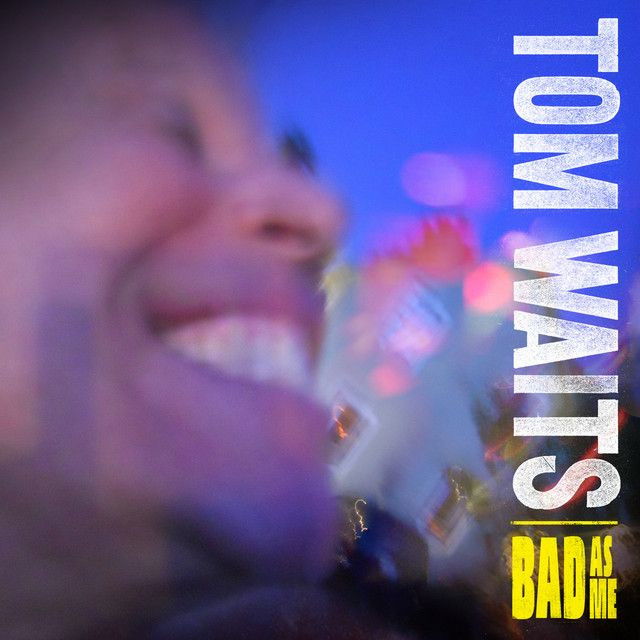
Tom Waits ends Bad as Me with a song that sounds small, messy, and deeply lived-in. For anyone searching for the meaning of New Year's Eve Tom Waits, the key is this: it is not a glossy holiday song. It is a portrait of collapse, memory, and stubborn warmth inside a bad night.
"New Year's Eve" - Tom Waits
Your mother burst in it was freezing
She said it looks like it's trying to rain
Loading lyrics...
Unable to load lyrics
We're unable to display the lyrics at this time. Please try again later.
Co-written by Kathleen Brennan and closing Waits' 2011 album Bad as Me, the track turns a New Year's gathering into a scene of confusion, addiction, damaged friendships, and possible escape. Yet it still makes room for people singing together. That tension is what gives the song its power.
A Party Song About Things Falling Apart
On the surface, the song describes one chaotic night. Doors are open, people burst in, arguments flare, someone may be using drugs, someone else may be in legal trouble, and the room fills with overlapping voices. The narrator tries to control the damage but never really can.
That is the first layer of the meaning of New Year's Eve Tom Waits: a party where every small disaster reveals a larger emotional truth. This is not just noise for color. Each detail suggests lives already under strain.
When the singer mentions sea sick
, the feeling is more than physical. It suggests moral and emotional dizziness. Nothing in the room is stable. Even the weather feels uneasy, as if the world outside is joining the unrest inside.

Watch the official New Year's Eve
music video
Who They Are in the Room
The narrator is not detached. They are involved, irritated, worried, and still oddly caring. They scold people, hide the car keys, make coffee, and pour out the rum. Those actions matter because they show somebody trying to stop the night from getting worse.
A witness, not a hero
The song never presents the speaker as noble. They are part of the mess too. They snap at people, judge them, and admit their own plans to run. That makes the storytelling believable. In a classic Waits move, the song gives listeners a person who can see the wreck clearly but cannot fully rise above it.
This is one reason the song feels so human. The narrator acts like many people do in real life: half helper, half escape artist.
How the Story Builds Its Meaning
The verses move like memory. They pile up names, incidents, and side comments instead of giving a neat plot. That style matters.
The night in four beats
- The gathering starts in tension, with people upset and secrets close to the surface.
- Sounds outside seem uncertain until the narrator realizes they are not imagined danger but actual fireworks.
- The room gets louder and more fractured, with breakups, talking, recording, and broken property.
- By morning, the narrator is planning to leave with little money and a bag of records.
That final image is crucial. The song is not only about one bad holiday party. It is also about a life at a breaking point. When the narrator says they had two hundred dollars
and records in a paper sack, Waits and Brennan reduce a whole future to a few fragile possessions.
Why 'Auld Lang Syne' Changes Everything
The chorus brings in the old New Year's standard. Waits explained in a brief Pitchfork interview that the song needed a chorus, so he and Brennan used it. That choice is simple but brilliant.
Should auld acquaintance be forgot
and never brought to mind
In context, that famous line stops sounding sentimental. It becomes a hard question. What should be remembered, and what should be left behind? Old friends? Old habits? Old hurts? The whole song circles that problem.
Interpretation: the chorus turns the party into a ritual of judgment. New Year's is supposed to mark renewal, but this room is crowded with history that will not disappear just because the calendar changes.
The Images That Carry the Song
Waits and Brennan fill the lyric with concrete objects and sensations: sirens, black coffee, rum, fireworks, car keys, a broken camera. These details do more than decorate the story.
Small objects, big themes
- Car keys suggest danger and responsibility.
- Black coffee suggests emergency care, sobriety, and staying awake to face reality.
- Rum stands for the old cycle the narrator briefly tries to interrupt.
- Sirens push private chaos into the public world.
- Records in a brown paper sack suggest identity reduced to what can be carried away.
The line about stars looking like diamonds
is especially striking. For a second, the song reaches toward beauty. Then the sirens arrive. That shift captures Tom Waits at his best: wonder and damage in the same breath.
How the Sound Supports the Meaning
As the final track on Bad as Me, the song lands like an after-hours confession. According to American Songwriter, the album marked Waits' first proper studio LP since Real Gone in 2004 and returned to the rough, junkyard feel many listeners associate with his later work.
But this closer is gentler than the album's clattering moments. Its slower pace and worn vocal delivery make the scene feel reflective rather than explosive. The arrangement gives space to the words, letting listeners hear the sadness underneath the comedy.
That balance is important. If the music were too dramatic, the song could feel like a sketch. Instead, it feels like recollection after the smoke clears.
Two Strong Readings of the Song
Interpretation 1: It is about addiction and the toll it takes on a circle of family and friends. Lines about scoring, handcuffs, hidden keys, and dumped-out liquor support that reading.
Interpretation 2: It is also about leaving a life behind. The planned trip to Las Vegas and the admission I should go back
suggest a person caught between escape and responsibility.
Both readings can be true at once. The song's genius is that it never forces one clean answer.
Why the Song Lasts
The meaning of New Year's Eve Tom Waits lies in its refusal to clean up reality. It finds humor in disaster, tenderness in frustration, and a strange kind of love in people who are barely holding it together.
By the end, the song asks whether starting over is really possible, or whether people just carry the same broken pieces into the next year. Interpretation: Waits and Brennan seem less interested in celebrating midnight than in showing what survives it.
Disclaimer: This interpretation is based on the lyrics, recorded performance, and published artist comments. As with many Tom Waits songs, ambiguity is part of the design.








