Why 'Ol' 55' Feels Like Dawn After Love
The meaning of Ol' 55 Tom Waits is simple on the surface and rich underneath: it is a song about driving home after spending the night with someone who matters. But it is also about that rare emotional state when sadness and happiness arrive together. They are leaving, they wish they could stay, and yet the ride itself feels beautiful.
"Ol' 55" - Tom Waits
I went lickety-splickly
Out to my old '55
Loading lyrics...
Unable to load lyrics
We're unable to display the lyrics at this time. Please try again later.
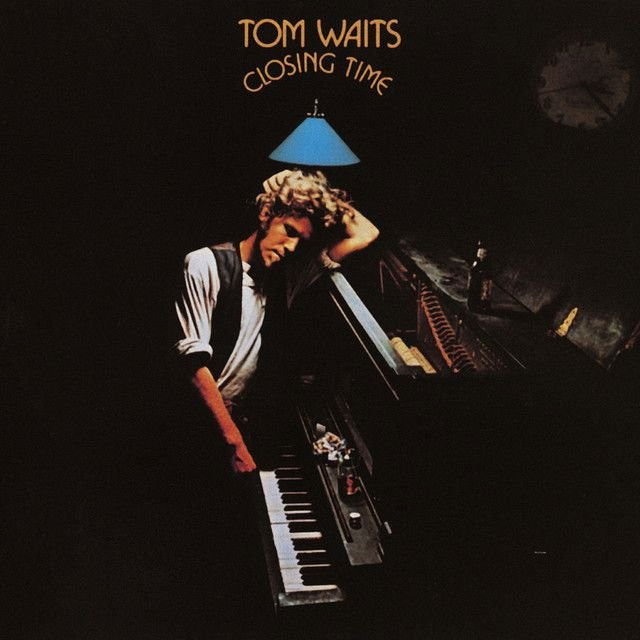
Tom Waits wrote and recorded "Ol' 55" for his debut album Closing Time, released in 1973. That early period of his career leaned toward piano-led, reflective songwriting before his later work became rougher and more theatrical. The song is widely associated with that warm, intimate phase of his catalog.
A Goodbye Song That Does Not Sound Broken
At its core, the song follows one small moment: a person pulls away from a loved one's place around dawn and starts the drive home. The key feeling is not heartbreak. It is something softer and more complicated.
They are energized by the night they just had, but they are also aching because it ended too soon. That is why short phrases like feeling alive
and wishing I'd stayed
matter so much. One points to joy; the other points to loss. Together, they create the song's emotional balance.
Interpretation: this is less a breakup song than a song about the glow that follows intimacy. The narrator is not ruined by leaving. They are changed by the experience, and the drive gives them space to feel it.

Watch the official Ol' 55
music video
The Dawn Drive Is the Whole Story
The lyrics move in a clear timeline, which helps explain why the song feels cinematic.
The night ends too fast
The opening suggests time has rushed by. The narrator heads out to their old car almost before they are ready. That quick movement tells listeners they did not want the night to end.
The road opens up
Once they are driving, the world gets bigger: sunrise, traffic, fading stars, open freeway. Phrases such as sun's coming up
and Lady Luck
give the ride a loose, lucky, almost sacred energy.
Real life returns
Then comes the practical truth: morning has arrived, and they have to leave. The line about having no warning suggests obligation, routine, or simply the way time makes choices for people.
That tension is the heart of the song. Private emotion meets public space. A deeply personal goodbye unfolds among trucks, flashing lights, and everyday traffic.
Why the Car Matters More Than It First Seems
The title points to the vehicle, but the car is not the real subject. It works more like a container for memory.
The old '55 can suggest several things at once:
- youth and romantic freedom
- a classic American road image
- a private space for reflection
- movement after emotional closeness
When the narrator climbs into that car, they move from togetherness into solitude. The car becomes the bridge between two emotional worlds.
Interpretation: the old car may also represent continuity. Lovers come and go, nights end, mornings arrive, but the ritual of driving and remembering stays familiar.
How the Chorus Turns Motion Into Feeling
The repeated road images are important because they keep turning physical movement into emotional momentum. Freeway cars and trucks
sounds plain, almost ordinary. That is exactly why it works.
The details are not poetic in a fancy way. They are common, visible, American. Yet in Waits' hands, they become part of a spiritual afterglow. Even a line like lead the parade
feels less like bragging than a burst of confidence. For a brief moment, the narrator feels carried forward by fate, traffic, sunrise, and memory at once.
How the Sound Carries the Meaning
One reason the song lands so strongly is its gentle musical setting. Waits' early recordings often used soft piano, relaxed tempos, and understated arrangements, and "Ol' 55" fits that mold. The performance does not rush the emotion.
That matters because the song is about being suspended between night and day. The arrangement gives listeners that same in-between feeling. The rhythm rolls like tires on pavement, while the melody rises with the dawn. Instead of sounding tragic, the track sounds warm and open.
Waits also sings it with a plain sincerity that keeps the song grounded. He does not overplay the sadness. That choice makes the tenderness feel more believable.
Artist Context Helps Explain the Mood
"Ol' 55" appeared on Closing Time, the album that introduced Waits as a songwriter drawn to lonely rooms, city lights, late hours, and vulnerable narrators. Even among those songs, this one stands out for its brightness.
That brightness helps explain why other artists were drawn to it too. The Eagles famously covered the song on On the Border, showing how naturally its road imagery fit 1970s American rock. Their version is smoother, but Waits' original feels more intimate and inward.
A Bittersweet Morning, Not a Grand Mystery
The meaning of Ol' 55 Tom Waits is not hidden behind complex symbolism. Its power comes from how accurately it captures a very specific feeling: the ride home after a night that mattered.
They feel grateful, lonely, lucky, and wide awake all at once. That is why the song still connects. It understands that some of life's strongest emotions happen not during the big event, but just after, when the sky is changing and the road is emptying out.
Interpretation disclaimer: song meanings are never fully fixed, and listeners may hear romance, nostalgia, or simple freedom in different proportions. This reading is an informed interpretation based on the lyrics, recording style, and Tom Waits' early artistic context.









