The Meaning of ‘On the Nickel’ by Tom Waits
A lullaby for people the world overlooks—that’s the aching core of Tom Waits’s “On the Nickel.” With piano and hushed orchestration, he turns skid row into a nursery rhyme that both comforts and cuts. For readers searching for the meaning of On the Nickel Tom Waits, this guide walks through the symbols, the sound, and the story behind the refrain.
"On the Nickel" - Tom Waits
But I always will be true
And when your mama is dead and gone
Loading lyrics...
Unable to load lyrics
We're unable to display the lyrics at this time. Please try again later.
A Lullaby for Skid Row’s “Lost Boys”
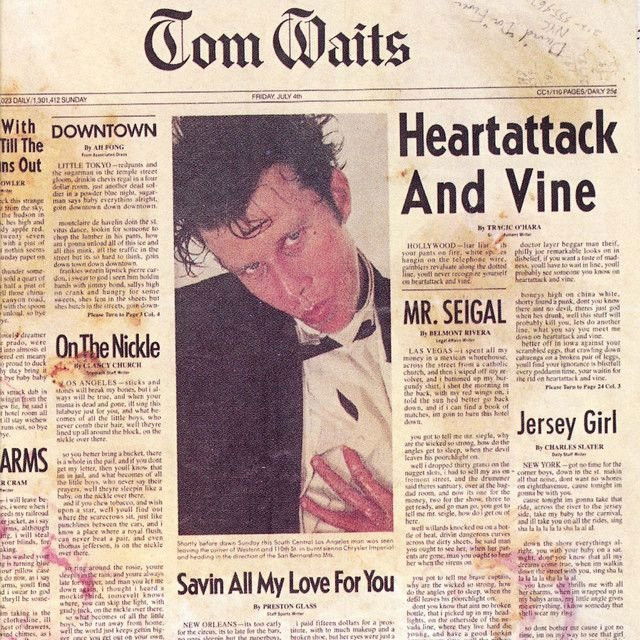
The song’s title points to Fifth Street in downtown Los Angeles, long nicknamed “the Nickel,” a hub of skid row life. Waits wrote the tune for actor-director Ralph Waite’s 1980 film On the Nickel, and later placed it on his album Heartattack and Vine (1980). The link to a real street grounds the lullaby in lived experience.
From the opening, the voice sounds like a caretaker—someone who wants to console the “little boys” who ended up on the street. Short phrases like On the Nickel
and sleepin’ in the rain
place childlike language next to blunt images of homelessness. The effect is tender, not sentimental. They’re being sung to, not talked about.
Watch the official On the Nickel
music video
Who’s Speaking—and To Whom?
The narrator often sounds like an older street philosopher. They make aside-like promises (hole in the pail
) and tour-guide boasts (I know a place
), as if walking a listener block by block.
Interpretation: The “you” in the song shifts. At times it’s a child the singer wants to soothe. At others, it’s any listener willing to look. The lullaby becomes a plea for attention and mercy.
So what becomes of all the little boys Who run away from home? The world just keeps gettin’ bigger Once you get out on your own
This refrain is the moral center. Childhood mischief scales into adult exile; freedom widens into loneliness.
Street Nursery Rhymes and Bent Americana
Waits threads playground language through bleak realities. Ring around the rosie
echoes a game tied to plague lore, now repurposed for life on damp sidewalks. Card-table talk (royal flush
) is flipped into a rigged-world metaphor, where luck rarely helps. Mentions of presidents and founding figures puncture national myths; if even the greats are “on the Nickel,” status can’t insulate against collapse.
Interpretation: These symbols argue that the line between childhood and adulthood, winner and loser, saint and sinner, is thinner than people pretend. The street creates its own rules, and most of them aren’t fair.
The Refrain That Sticks
Each verse circles back to “the Nickel,” like a block you keep walking. That cyclical pull mirrors how poverty and addiction trap people in place. Short, tactile items—letters that don’t arrive, a bucket
with a hole in the pail
—suggest broken systems where good intentions leak out before they can help.
Interpretation: The chorus’s repetition is a geographic fact and a spiritual state. The Nickel isn’t just a street; it’s where society puts its unanswered questions.
How the Music Sings the City
Musically, “On the Nickel” is a slow, waltz-like ballad. Piano sets a lullaby sway while strings glow softly at the edges. Waits’s voice, rough yet warm, cradles the melody instead of fighting it. The production keeps space around each line, as if the street itself is breathing in the pauses.
Interpretation: The gentle arrangement refuses to sensationalize. It insists on dignity, asking listeners to lean closer. When he lets his tone fray, those textures feel like steam rising from a rain grate—brief, human, real.
Film Roots and Real-World Ground
Factually, the song was composed for Ralph Waite’s 1980 film On the Nickel, set on L.A.’s skid row, before appearing on Heartattack and Vine. The “Nickel” is Fifth Street, a long-standing local nickname. Context matters: the tune isn’t a fantasy about bohemian freedom; it’s part of a story about memory, addiction, and the cost of living outside the margins.
Interpretation: Knowing the film frame sharpens the compassion in the lyric. The singer isn’t glamorizing the street; they’re holding vigil.
Decoding the Small Stuff
Short dogs
: Likely slang for small bottles of liquor—portable comfort with a price.Royal flush
imagery: Even the best theoretical hand can’t win in a rigged game.- Rain, railings, stairways: Movement that goes nowhere, like trying to
fall right up the stairs
.
Each detail turns street survival into a child’s rhyme, inviting empathy without pity.
Alternate Readings Worth Holding
- Redemption arc: The lullaby forgives. It treats the “lost boys” as children who were failed, not criminals who failed.
- Self-portrait: The guide-like “I” could be Waits channeling his own empathy for the down-and-out characters that populate his early work.
Both readings fit because the song refuses to name a single “you.” It’s a circle big enough for everyone.
Takeaway
The meaning of On the Nickel Tom Waits lands here: a cradle song for the dispossessed, sung with grace, and sharpened by street-level images. It doesn’t fix the world. It teaches listeners to see it.
Disclaimer: Song interpretations are subjective; this reading combines lyrical analysis with known historical context.