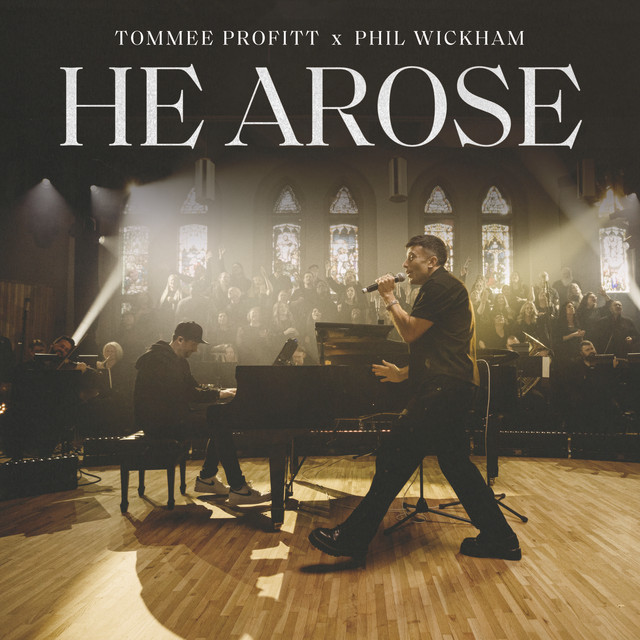
He Arose by Tommee Profitt, Phil Wickham
Why This Resurrection Song Hits So Hard
The meaning of He Arose Tommee Profitt, Phil Wickham centers on the Christian belief that Jesus defeated death through the resurrection. That is the song’s plain message, and it does not hide it behind metaphor. Instead, it tells the Easter story in direct language and then turns that story into a personal response of praise, gratitude, and hope.
"He Arose" - Tommee Profitt, Phil Wickham
Jesus, my Savior
Waiting the coming day
Loading lyrics...
Unable to load lyrics
We're unable to display the lyrics at this time. Please try again later.
This matters because the song moves in two clear stages. First, it describes burial, waiting, and the apparent finality of death. Then it breaks open into victory. That shift gives the track its emotional power. It is not only about what happened to Jesus in Christian belief; it is also about what that event means for believers now.
From Tomb to Triumph
At the start, the song places Jesus in the grave. Phrases like Low in the grave
present stillness, silence, and loss. The image is heavy and simple. There is no escape in that opening scene, which makes the coming reversal feel bigger.
The next lines stress human effort and human limits. The song says guards watched and the tomb was sealed, but these actions are shown as useless against divine power. When it says Death cannot keep its prey
, the point is not subtle: death looks strong, but it is temporary next to God’s authority.
That leads to the central proclamation, Up from the grave He rose
. This is the core statement of the song and the main theological claim. Everything before it builds suspense; everything after it celebrates the result.
The Chorus Turns Doctrine Into Celebration
The chorus does more than repeat a fact. It turns doctrine into a shout of victory. The language of triumph, enemies, and reigning gives the resurrection a cosmic scale. Jesus is not simply alive again; in the song’s view, He has won a decisive battle.
He arose, He arose
Hallelujah, Christ arose
This short refrain works because it is easy to sing, easy to remember, and emotionally direct. In worship music, repetition is often used to move truth from the mind to the body. Here, repeating the resurrection claim makes the song feel less like a history lesson and more like a communal declaration.
A Personal Testimony Inside a Classic Theme
One of the song’s strongest choices is the move from public event to personal response. After the classic resurrection language, the newer section shifts into a testimony of forgiveness and salvation. When the singer says My heart will sing
, the focus changes from what happened then to how that event changes a person now.
This section also explains why the resurrection matters spiritually. The song ties Jesus leaving heaven, suffering, and rising again into one story of rescue. In plain terms, it argues that the resurrection proves both His identity and His saving power.
Interpretation: This personal bridge broadens the song’s reach. It is not only Easter music. It becomes a worship anthem about forgiveness, living faith, and ongoing hope in everyday life.
How Tommee Profitt’s Sound Shapes the Meaning
Tommee Profitt is known for dramatic, cinematic production, heard across his solo work and collaborations on his official site. That style matters here. The production likely aims for contrast: low, tense opening textures for the grave scene, then swelling percussion, layered vocals, and wider dynamics when the resurrection arrives.
That musical rise mirrors the lyric arc. A tomb is small and closed; the arrangement gradually feels open and massive. This is smart songwriting and smart production working together. Even without studying the words closely, a listener can hear the movement from sorrow to victory.
Phil Wickham, a major figure in modern worship with releases documented on his artist page, brings a voice associated with praise, clarity, and congregational singing. His presence helps the song land as worship rather than only soundtrack-style drama. Profitt provides the scale; Wickham provides the devotional center.
Key Symbols That Carry the Song
Several recurring images keep the message focused:
- The grave: the reality of death, grief, and apparent defeat.
- The stone and sealed tomb: human attempts to make death final.
- Bars and release: freedom breaking what seemed unbreakable.
- Light after darkness: a move from despair to living hope.
- The King: Jesus as both savior and victorious ruler.
These are familiar Christian symbols, but the song uses them clearly rather than abstractly. That is part of why it connects so quickly with listeners.
What the Song Says to Believers
For Christian listeners, the song offers assurance. The resurrection is presented as proof that suffering, sin, and death do not get the last word. The repeated hallelujahs are not filler; they act as the emotional answer to that claim.
For casual listeners, the meaning of He Arose Tommee Profitt, Phil Wickham is still easy to follow. It is a song about reversal. Defeat becomes victory. Mourning becomes praise. Fear becomes confidence. Even someone outside the faith tradition can hear how strongly the song is built around hope breaking into a closed situation.
Final Take on Its Meaning
At its heart, this is a resurrection anthem that joins old hymn language with modern cinematic worship. It tells the Easter story plainly, then turns that story into a personal confession of gratitude and praise. That blend is why the song feels both ancient and current.
Interpretation: The deeper emotional message is that no sealed place stays sealed forever. In the song’s Christian vision, the empty tomb becomes a pattern of hope: what looks finished may be exactly where new life begins.
Disclaimer: This interpretation is based on the song’s lyrics, performance style, and publicly known artist context. Meaning can vary depending on a listener’s faith background and personal experience.







