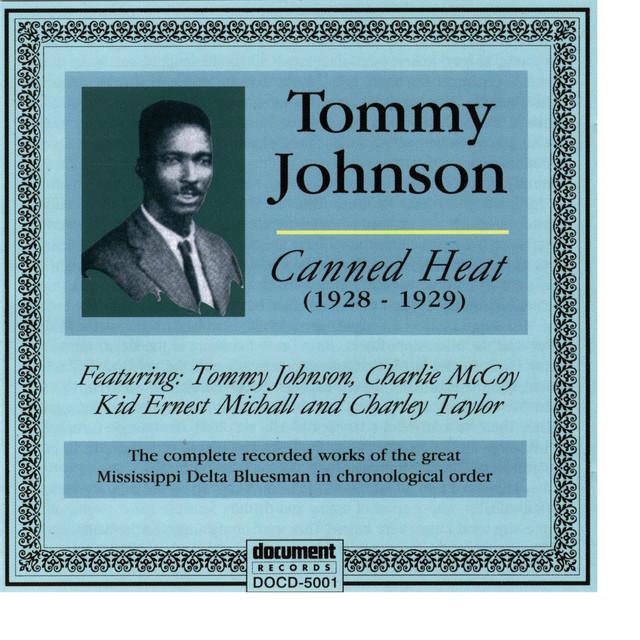
Big Road Blues by Tommy Johnson
Why This Blues Classic Still Hits Hard
The meaning of Big Road Blues Tommy Johnson comes into focus fast: it is a song about not wanting to suffer alone, while also refusing to be trapped by heartbreak. The speaker sounds hurt, but they are not passive. They plead, warn, and imagine better days ahead.
"Big Road Blues" - Tommy Johnson
Now don't you hear me talkin', pretty mama?
Lord, ain't goin' down this big road by myself
Loading lyrics...
Unable to load lyrics
We're unable to display the lyrics at this time. Please try again later.
That balance matters. Many early blues songs hold pain and self-protection at the same time, and this one does too. Tommy Johnson, a major Delta blues figure documented by the Mississippi Blues Trail, was known for emotionally intense singing and flexible guitar work. In this song, both qualities help turn a short lyric into a fuller portrait of need, pride, and motion.
Watch the official Big Road Blues
music video
A Lonely Road, but Not a Helpless One
At the center of the song is a speaker who does not want to go forward alone. When they say big road by myself
, the idea is larger than travel. The road feels like life under pressure: long, uncertain, and emotionally cold.
Still, the speaker is not begging without limits. The warning carry somebody else
changes the mood. They are telling a lover that companionship matters, but so does self-respect. If this partner will not come along, someone else might.
Interpretation: That gives the song two emotional layers at once:
- fear of abandonment
- a desire for connection
- a sharp streak of independence
This is one reason the lyric feels modern. The speaker aches, but they also draw a line.
The Relationship Drama Beneath the Surface
The song addresses a pretty mama
, a familiar figure in blues music. Here, though, she is not idealized. She is part comfort, part source of trouble. The speaker keeps trying to get through to her, almost as if each repeated address is a test: will she listen this time?
A later complaint makes the conflict more concrete. The line do me like you do
suggests repeated mistreatment, not one bad moment. Then Johnson mentions another man, Cherry Red, as an example of someone already harmed.
What makes you do melike you do do do?you done poor Cherry Red
This short passage points to a pattern. The lover may be manipulative, unfaithful, or simply destructive. The exact offense stays blurry, but the emotional result is clear: distrust.
Money Trouble Makes the Hurt More Real
One of the strongest details in the song is the mention of money. The speaker says this woman may have taken another man’s cash, but she will not take theirs. That move grounds the song in everyday survival.
In the blues, heartbreak is often tied to practical danger. Love is not only emotional; it can cost rent money, food money, or dignity. So when the singer pushes back, they are protecting more than feelings. They are guarding what little stability they have.
This detail deepens the meaning of Big Road Blues Tommy Johnson. The song is not just about romance gone wrong. It is also about power. The speaker has already been hurt, and now they are trying to stop further damage.
Hope Arrives Through Weather and Light
For all its tension, the song does not stay in despair. The image of the sun shining at the back door suggests that relief may come from outside the current scene. The phrase blow my blues away
turns weather into emotional change.
This is classic blues imagery. Wind and sunlight are not explained in a literary way; they are felt. A shift in weather becomes a shift in luck, mood, and spirit.
Interpretation: These lines do not erase the pain. Instead, they offer a stubborn belief that suffering is temporary. That belief is small but powerful. In blues music, hope often appears not as certainty, but as endurance.
How Tommy Johnson’s Sound Carries the Meaning
Johnson’s performance style is crucial to the song’s force. Recordings of his work collected by the Document label notes show how his voice could move from conversational to piercing in a breath. On “Big Road Blues,” that quality makes the repeated phrases feel urgent rather than decorative.
The guitar also matters. The steady pulse suggests forward motion, which fits the road image, while the vocal phrasing stretches against that pulse. That tension mirrors the lyric itself: life keeps moving, even when the heart resists.
There is also a raw simplicity in the structure. Repetition lets each line gather more weight. By the time the title idea returns, it sounds less like a statement and more like a burden the singer keeps trying to carry.
A Song About Movement, Survival, and Pride
Taken as a whole, the song works because it joins several blues themes without overexplaining any of them. It is about travel, but also emotional distance. It is about love, but also distrust. It is about sadness, but also resolve.
The most convincing reading is that the speaker stands at a turning point. They want love and company, yet they know they may need to move on. That is why the song feels both intimate and wide-open, like a private argument happening on an endless road.
For many listeners, that is the lasting power of the meaning of Big Road Blues Tommy Johnson: it understands that pain can make people vulnerable and tougher at the same time.
Final Take
Tommy Johnson turns a compact lyric into a full emotional landscape. Through road imagery, relationship tension, money worries, and hints of changing weather, the song captures the blues as both suffering and survival.
This article offers an interpretation based on the lyrics, performance, and historical blues context. As with many classic blues songs, meaning can stay open, and different listeners may hear different shades of hurt, warning, and hope.







