
Why This Country Love Song Still Hits Hard
The meaning of Lovin' Her Was Easier (Than Anything I'll Ever Do Again) Tompall & The Glaser Brothers comes down to a simple but powerful idea: some relationships feel so natural that they seem to heal a person, and losing that feeling makes everything after seem harder.
"Lovin' Her Was Easier (Than Anything I'll Ever Do Again)" - Tompall & The Glaser Brothers
Aching with the feeling of the freedom of an eagle when she flies
Turning on the world, the way she smiled upon my soul as I lay dying
Loading lyrics...
Unable to load lyrics
We're unable to display the lyrics at this time. Please try again later.
Written by Kris Kristofferson and first released by him in 1971, the song later became a major hit for Tompall & The Glaser Brothers in 1981. Their version reached No. 2 on Billboard's Hot Country Songs chart, making it one of the group's biggest late-career successes, according to this Wikipedia entry. That matters because their recording does not sound flashy or dramatic. It sounds settled, mature, and deeply felt.
A Love Song About Ease, Not Possession
At its core, the song is about emotional relief. The narrator is not bragging about romance or chasing excitement. Instead, they remember a woman whose presence made life feel lighter, clearer, and more alive.
The title phrase, Lovin' her was easier
, tells the whole story. This was not a relationship built on games or confusion. It felt natural. That is why the second half of the title lands so hard: nothing after it will be as simple or as right.
Interpretation: The song is less about heartbreak in the usual country sense and more about the memory of emotional grace. They are not just missing a person. They are missing the version of themselves that existed with her.
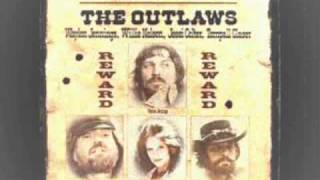
Watch the official Lovin' Her Was Easier (Than Anything I'll Ever Do Again)
music video
Nature Imagery Turns Love Into Freedom
One reason the song stands out is its imagery. The opening does not begin in a bar, a bedroom, or after a breakup. It starts with the world glowing and moving. The morning is described as burning bright, and the lover is linked to wide-open freedom, almost like an eagle in flight.
That kind of language makes the woman feel larger than one person. She becomes tied to sunlight, color, sky, and motion. When the singer recalls her smile on their soul, the memory feels spiritual, not just romantic.
golden on the mountain
freedom of an eagle
These short images suggest that loving her felt expansive. She did not trap the narrator. She opened them up. In a genre where love can often sound possessive, this song sounds grateful.
The Chorus Explains Why the Memory Lasts
The chorus works because it is both direct and mysterious. The singer can plainly say that loving her was the easiest thing they ever did. But they cannot fully explain why.
That gap is important. The song says she was not afraid to be a friend
, and it also says she opened every door in the narrator's mind. In plain terms, she offered both intimacy and emotional safety. She was loving, but also honest and human.
Interpretation: This is why the song feels bigger than a standard romance ballad. It connects love with awakening. The relationship mattered because it changed how the narrator thought, felt, and imagined the future.
Memory Moves From Touch to Renewal
In the later verse, the song shifts from grand natural images to close physical details. The narrator remembers waking to her fingers on their skin. That touch seems to erase old damage, old places, and old versions of the self.
This is one of the song's most moving ideas. Love here is not just pleasure. It is renewal. The woman helps the narrator stop living in yesterday and start imagining tomorrow.
A key phrase is opened every door
. That line suggests mental and emotional release. She did not merely comfort the narrator; she expanded their world.
Why Tompall & The Glaser Brothers Make It Different
Kristofferson wrote and first recorded the song on The Silver Tongued Devil and I in 1971. Tompall & The Glaser Brothers later cut their own version, and their 1981 recording became the title track of their reunion-era album Lovin' Her Was Easier. It was produced by Jimmy Bowen with Tompall & The Glaser Brothers.
Their take leans into smooth country warmth. The arrangement is gentle, with polished harmonies and a steady rhythm section that keeps the focus on the song's emotional center. Instead of sounding raw or wounded, they sound reflective. That makes the memory feel lived-in.
The group had long been connected to Nashville and country harmony singing, so their version gives the song a communal softness. Even though the lyric is personal, the vocal blend makes the feeling seem universal: almost everyone has known a love that felt easy only after it was gone.
Reception Helps Explain the Song's Longevity
The song has been recorded by many artists, including Waylon Jennings, Roger Miller, and Mark Chesnutt. That broad reach says something important. Different singers hear different shades in it: tenderness, regret, freedom, longing.
Its success with Tompall & The Glaser Brothers also shows how well the song fits mature country storytelling. It is not built on a twist ending. It survives because the feeling is instantly clear. Listeners know what it means to look back and realize that what once felt ordinary was actually rare.
Final Meaning: Love as the Easiest Truth
So, what is the meaning of Lovin' Her Was Easier (Than Anything I'll Ever Do Again) Tompall & The Glaser Brothers? It is about a love remembered as effortless, healing, and life-changing. The narrator is not only mourning a lost relationship. They are honoring the peace, freedom, and self-understanding it brought.
Interpretation: The song suggests that the deepest loves are not always the loudest. Sometimes they are the ones that feel most natural while they last, and most impossible to replace once they end.
That is why this song still lands. Its heartbreak is quiet, but its gratitude is huge.
Disclaimer: This interpretation is based on the released lyrics, recording context, and documented history. As with any song, listeners may hear meanings that differ from the ones discussed here.







