Why Too $hort’s “The Ghetto” Still Hits Hard
A street report, not a fantasy
The meaning of The Ghetto Too $hort starts with honesty. The song is not built like a brag track, even though Too $hort was known for swagger. Instead, they use vivid scenes from neighborhood life to show how poverty, addiction, violence, and pressure shape people’s choices.
"The Ghetto" - Too $hort
Funky, funky ghetto
Trying to survive
Loading lyrics...
Unable to load lyrics
We're unable to display the lyrics at this time. Please try again later.
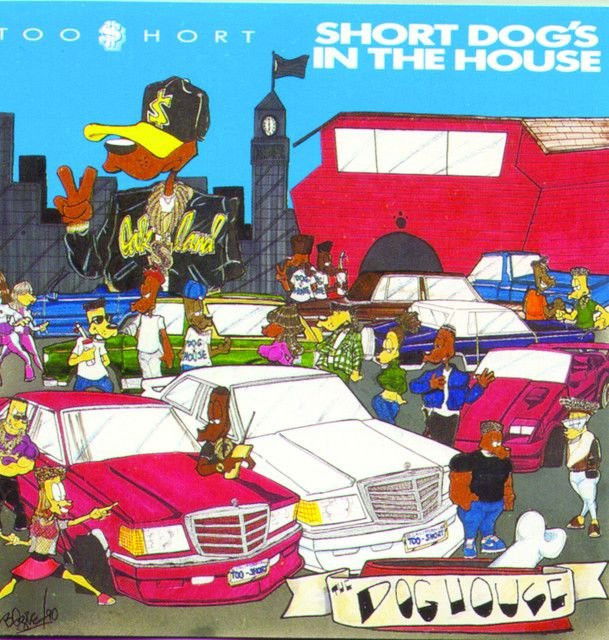
Released on Short Dog’s in the House in 1990, “The Ghetto” became Too $hort’s first and highest-charting Hot 100 hit as a lead artist. That matters because it shows a wide audience connected with a song that was more reflective than flashy. Too $hort, born Todd Anthony Shaw, is widely recognized as a pioneer of West Coast hip-hop with deep roots in Oakland, the city that shaped much of his writing and style.
At its core, the track says survival can become a full-time mindset. The repeated hook, trying to survive
and trying to stay alive
, is simple on purpose. It turns the neighborhood into more than a place. It becomes a condition people carry in their bodies, habits, and fears.

Watch the official The Ghetto
music video
How the verses build the song’s message
Daily life feels like emergency mode
Too $hort fills the verses with small, hard details: broken streets, addiction, empty homes, and the constant risk of danger. These are not random images. Together, they create a world where tomorrow is uncertain and trust is thin.
When they say life is about keeping one eye open
, the idea is bigger than paranoia. It suggests a whole environment built on alertness. In this reading, the song argues that violence is not just an event. It is an atmosphere.
That is why the narrator sounds blunt instead of poetic. They are not trying to beautify the setting. They are documenting it.
The song connects private pain to public failure
One of the strongest parts of “The Ghetto” is how it moves from personal stories to social criticism. The lyrics mention addiction inside families, hunger at home, and children left without care. Then the song turns outward, questioning leadership and systems that send force instead of support.
This is where the meaning of The Ghetto Too $hort gets sharper. The song is not only saying life is hard. It is saying many of these conditions are ignored until they become criminal problems. By then, the response is often punishment, not help.
people are dying
children are crying
That brief chorus section works like a siren. It strips the issue down to human cost.
The chorus turns one neighborhood into a symbol
The title phrase, The ghetto
, repeats so often that it starts to mean two things at once. First, it names a real place marked by neglect and struggle. Second, it becomes a symbol for being trapped inside a social pattern with few exits.
Later in the song, Too $hort stresses having no place to go
. That line matters because it keeps the song from becoming a simple “escape” story. Many songs about hardship end with a clean way out. This one does not. They admit that leaving is difficult when the neighborhood is the only world someone knows.
Interpretation: The hook may sound catchy, but it is also circular. Its repetition mirrors cycles of poverty and survival that repeat day after day.
Too $hort’s voice matters as much as the words
Too $hort’s broader catalog often focuses on pimping, sex, street codes, and hard-earned status. That context makes “The Ghetto” stand out. It shows another side of their writing: the observer who reports what the neighborhood does to people.
Because they came up through Oakland’s independent rap scene before major-label success, the song carries the tone of someone speaking from inside the culture, not visiting it from a distance. That gives the track credibility and also tension. They criticize the environment, but they also understand why people adapt to it the way they do.
Near the end, the song shifts toward advice about identity, pride, and self-respect. That section can feel almost like a sermon. Still, it fits the larger point: if the world reduces people to stereotypes, holding onto self-worth becomes part of survival too.
How the production deepens the meaning
Musically, “The Ghetto” is smoother than its subject matter. That contrast is crucial. Too $hort’s late-1980s and early-1990s work often used replayed funk riffs instead of relying only on samples, a shift noted in accounts of their career. The groove here is relaxed, even hypnotic, which makes the bleak stories land harder.
The beat does not rush. It rolls forward like everyday life continuing whether anyone is ready or not. That steady motion supports the lyrics’ central truth: crisis in the neighborhood is not always dramatic. Often it is routine.
Their vocal delivery also helps. Too $hort raps in a calm, conversational cadence, almost like someone talking across a porch or car seat. That plain style makes the song feel less like performance and more like testimony.
Why the song still connects
Part of the reason “The Ghetto” lasts is that it avoids easy heroes and villains. It shows harm inside the community, but it also points to larger neglect around housing, policing, education, and public support. That balance keeps the song from becoming either a lecture or a fantasy.
For modern listeners, the track still feels relevant because its central pressures have not disappeared. Communities across the United States still face overlapping problems of poverty, addiction, underinvestment, and violence. The song’s power comes from naming those realities without pretending they are simple.
In the end, the meaning of The Ghetto Too $hort is about survival under pressure, but also about witness. They are saying: this is what life looks like when people are left to fend for themselves, and this is what it costs.
Final takeaway
“The Ghetto” endures because it blends social observation with lived detail. It is catchy, but never carefree. It sounds smooth, yet its message is heavy.
Interpretation disclaimer: Song meaning is never fully fixed. This reading is based on the lyrics, Too $hort’s career context, and the song’s production, but other listeners may hear different emphases.








