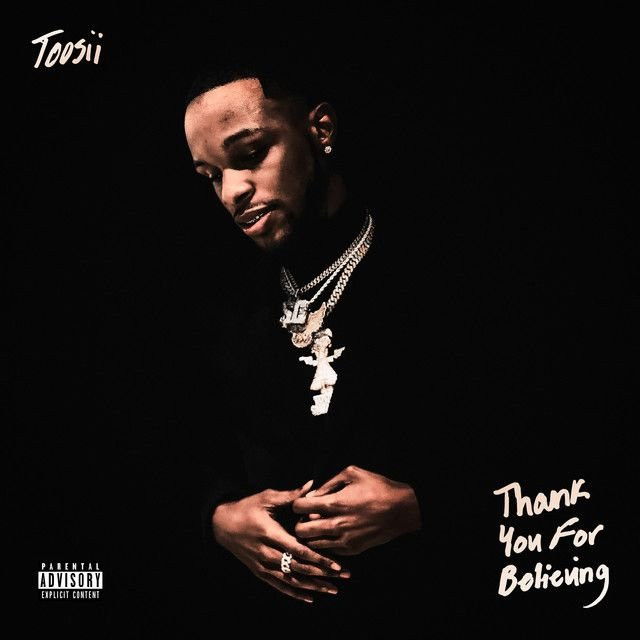
what it cost by Toosii
Toosii’s “What It Cost” sounds like a victory lap at first. They rap about money, status, women, and survival with the kind of sharp confidence that trap music often rewards. But the deeper meaning of what it cost Toosii is less about celebration than aftermath.
"what it cost" - Toosii
Yeah, talk to me nice or don't talk to me twice
I been in my bag
Loading lyrics...
Unable to load lyrics
We're unable to display the lyrics at this time. Please try again later.
Under the flexes, the song keeps returning to fear, loss, and emotional damage. The hook turns the whole track into a confession: success did not come free, and the real payment was inner pain.
The Real Heart of the Song
At its core, “What It Cost” is about the price of making it out. Toosii frames success as something won through pressure, danger, and sacrifice. They are not just saying they became rich. They are saying the road from poverty to fame changed how they think, who they trust, and how safe they feel.
That is why the song opens with the hard boundary talk to me nice
. On the surface, it sounds like pure attitude. In context, it also signals defensiveness. They sound like someone who learned that respect is protection.
The key line is tears was what it cost
. Before that moment, the song lists the rewards and the risks. After that line, all the boasts sound heavier. Interpretation: Toosii seems to argue that the emotional bill matters more than the material gain.
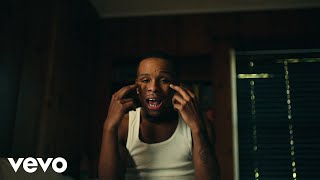
Watch the official what it cost
music video
From Rags to Riches, But Not to Peace
One of the clearest themes is survival after poverty. Toosii says they came from little and refuse to return there. That fear drives nearly every choice in the song. Ambition is not framed as greed. It is framed as self-defense.
That reading fits the broader story of Toosii’s career. Public biographies note that the North Carolina-raised artist began recording as a teen and has spoken about hardship before his rise in music, including a period of homelessness and using rap as an escape (Wikipedia). Their breakthrough eventually led to major chart success, especially with “Favorite Song,” which reached No. 5 on the Billboard Hot 100 (Wikipedia).
That context matters because “What It Cost” does not treat wealth as simple pleasure. The song treats it as distance from old pain. When they say rags to riches
, the phrase carries both pride and panic. They made it out, but they still sound haunted by what “out” used to mean.
Trauma Lives Beside the Flexes
The most revealing part of the song is how openly it ties power to fear. A phrase like I got PTSD
is blunt. It shifts the song from standard trap swagger into something more exposed.
The next details keep that idea moving: weapons, paranoia, enemies, and legal danger. Even when Toosii sounds dominant, they also sound alert. Interpretation: The song suggests that trauma does not disappear when someone gains money; it simply changes clothes.
That is why the star imagery and luxury references do not fully lighten the mood. Saying they are a star or sitting among stars shows how far they rose. But that claim sits right beside scars, fear, and memories of violence. The contrast is the point.
A Chorus Built Like a Mask Cracking
The chorus is effective because it repeats tough statements before landing on vulnerability. It starts with command, moves through ambition, then circles back to scars and consequences. In simple terms, the hook acts like a mask that slowly slips.
I thought you seen it on me
I got scars
Those short lines are important because they ask for recognition. They do not just want others to see the shine. They want others to see the damage beneath it.
Interpretation: The refrain is not only about outside judgment. It may also be about feeling unseen by friends, partners, or even listeners who notice the status symbols but miss the pain.
Women, Trust, and Emotional Distance
The song’s relationship lines are cold on purpose. Toosii talks about women in a detached, transactional way, and there is a lot of distrust in those sections. Fatherhood is mentioned as something they are not ready for, and later details suggest fear of being trapped or used.
Rather than reading those lines as just cruelty, it makes more sense to connect them to the song’s larger emotional shutdown. They sound like someone protecting themselves by staying uninvested. That does not make the behavior admirable, but it does make it meaningful within the track’s world.
How the Production Carries the Meaning
The beat, tagged by Rvssian at the start, gives the song its tension. The production feels spare, heavy, and nocturnal. There is room around the drums, which lets Toosii’s voice sit front and center.
That matters because they do not rap this like a carefree hit. Their delivery moves between flexing and warning. The darker instrumental helps every claim sound double-edged: expensive, but uneasy; powerful, but never relaxed.
Toosii’s catalog often blends melody, trap rhythm, and emotional openness, with styles commonly described as trap, pop rap, and contemporary R&B (Wikipedia). “What It Cost” leans harder into the trap side, yet it still keeps the confessional streak that defines much of their work.
Final Take on the Meaning
The meaning of what it cost Toosii comes down to a hard truth: success solved some problems but deepened others. The song says money can change a person’s surroundings, not erase their scars.
That is why the final emotion lingers longer than the boasts. “What It Cost” is really about the hidden bill for survival—tears, trauma, distrust, and the constant fear of losing everything again.
Disclaimer: This interpretation is based on the lyrics, performance, and publicly available artist context. Like most songs, “What It Cost” can support more than one valid reading.








