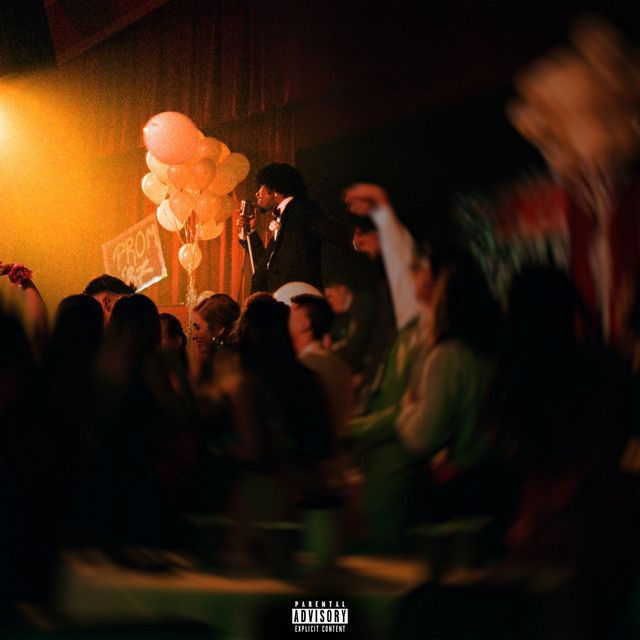
The Color Violet by Tory Lanez
A night drive, a loaded heart, and a vow not to feel too much—this is the engine behind The Color Violet. For listeners in the U.S. who are searching for the meaning of The Color Violet Tory Lanez, the song uses sleek, 80s-styled production to explore the tension between desire and emotional distance.
"The Color Violet" - Tory Lanez
I left the party with a Barbie, markin' X on the dot
She calls my phone up but I told her, "I'm a loner" (uh)
Loading lyrics...
Unable to load lyrics
We're unable to display the lyrics at this time. Please try again later.
Under the Neon: What the Song Is Really Saying
The core idea is simple and sharp: love feels dangerous, so the narrator wears armor. He names that armor outright with the refrain playboys, we don't dance
. Dancing represents openness and surrender; refusing to dance is refusing to risk intimacy.
Across the verses, they boast and ache at the same time. They insist they’re fine, yet the story keeps circling back to hurt. The push-and-pull forms the song’s heartbeat—pleasure up front, pain underneath.
Watch the official The Color Violet
music video
Who’s Speaking and What’s the Pose?
The narrator speaks in first person, casting themselves as cool and untouchable. They even say, I'm a loner
, but the admission sounds half-brave, half-shield. They want connection, yet they keep it at arm’s length.
They lean on image—cars, watches, a droptop—to signal control. But the more they perform control, the more their vulnerability leaks through the cracks. The “playboy” identity becomes both mask and trap.
The Night in Motion: A Quick Story Map
- The scene opens after a party, a chance meeting, and a headlong drive.
- Adrenaline rises; someone in the passenger seat feels fearless.
- The narrator senses danger but keeps playing it cool, always scanning,
on my radar
. - The hook flips the mood: hurt arrives, and they choose distance again with
I won't dance again
.
The image of a fast car in bad weather, goin' ninety in the rain
, captures the emotional physics. Speed feels powerful until you realize you can’t steer your feelings as easily as a wheel.
The Hook Is a Wall: Why the Refrain Matters
The chorus doubles down on self-protection. Each repetition of I won't dance again
is a line in the sand. Interpretation: they’ve been burned and now equate dancing—letting go—with getting hurt.
Yet the vow isn’t triumphant; it sounds like resignation. They want to stay, but the identity they’ve chosen won’t let them. The refrain becomes a coping ritual rather than a cure.
Symbols and Colors: Decoding the Imagery
- Night drive and rain: thrill and risk, a mood of blurred boundaries.
- Radar and pager: surveillance and contact—being reachable but not reachable enough.
- Watches, droptops, afterparties: status and attention as emotional anesthesia.
- The title “The Color Violet”: violet mixes red’s passion with blue’s sadness. Interpretation: the color stands for luxury-tinted heartbreak—romance as twilight, not sunrise.
When they mention daybreak images against nightlife glow, it hints at a hangover of feeling—desire fading into second thoughts. Violet is also the color of a bruise: love leaves a mark even when the night is over.
How the Sound Tells the Story
On Alone at Prom, Tory Lanez leans into 80s synth-pop and R&B. The track glides on punchy, reverb-washed drums, a rubbery bass line, and glossy pads. The vocal sits forward but feels bathed in space, so the words sound close while the world around them feels distant.
The tempo suggests escape: brisk enough to move, moody enough to brood. Melodic turns ride minor-key colors that carry the ache without dragging the groove. Production polish makes the playboy persona feel believable, while the melancholic harmony quietly admits the act is wearing thin.
Two Ways to Read the Heartbreak
Interpretation 1: Self-defense. The narrator was hurt and now equates intimacy with danger. The love interest may be bold and carefree, but that only deepens their fear of losing control.
Interpretation 2: Performance trap. The real enemy isn’t the partner; it’s the persona. If you declare playboys, we don't dance
long enough, you might forget how to love. The song then becomes a portrait of image management collapsing under real feeling.
Why It Resonates Now
For U.S. listeners raised on playlists that blend retro and modern, the song scratches two itches at once. It’s cinematic and nostalgic, yet the lyrics speak to today’s dating armor—ghosting, coolness, and curated identities. The meaning of The Color Violet Tory Lanez lands because many recognize that urge to speed past the hard parts and still hope love somehow keeps up.
Final Takeaway
This is a sleek heartbreak record that hides its tenderness in plain sight. The beat invites your body; the lyrics show your guard. Violet, in the end, is the color of wanting love and bracing for impact.
Disclaimer: Song interpretations are subjective. Details above reflect one close reading of the music, lyrics, and context.









