Why 'Every Light in the House' Still Hurts
The meaning of Every Light In The House Trace Adkins comes down to one powerful image: a person so unwilling to give up on love that they turn a whole home into a beacon. In this song, the speaker is not moving on, making peace, or pretending to be fine. They are waiting.
"Every Light In The House" - Trace Adkins
In case you ever wanted to come back home
You smiled and said you appreciate the gesture
Loading lyrics...
Unable to load lyrics
We're unable to display the lyrics at this time. Please try again later.
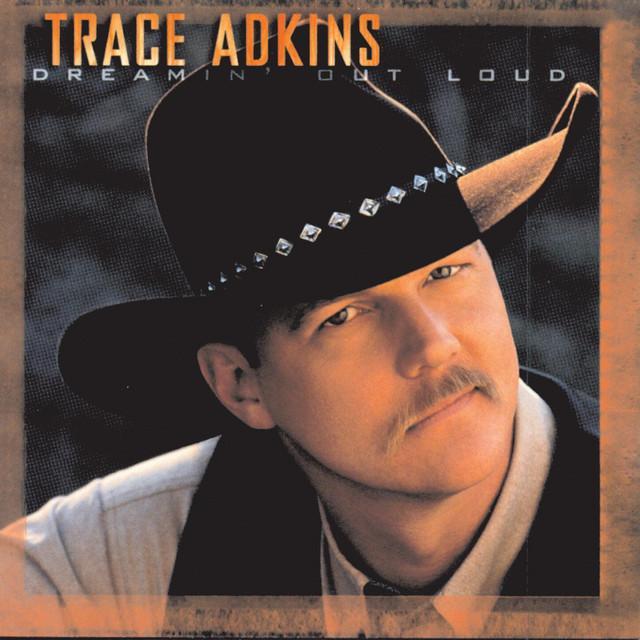
Released in 1996 as the second single from Trace Adkins’ Dreamin' Out Loud, the song became his first top-five country hit. That matters because it helped establish the style listeners would come to expect from him: a huge voice, plainspoken emotion, and songs that feel rooted in everyday life.
A House Full of Light, A Heart Full of Hope
At its core, this is a breakup song about refusal. The relationship has ended or at least paused, but the speaker cannot accept that it is truly over. Instead of closing the door, they create a visible sign of devotion.
The central phrase, Every light in the house is on
, is more than a literal detail. It turns the home into a signal fire. The person is saying: I am here, I still want you, and I want you to know you can come back.
That is why the song feels both romantic and sad. The gesture is sweet on the surface, yet it also shows how deeply stuck the speaker is in the moment of loss.

Watch the official Every Light In The House
music video
Who Is Speaking, and What Do They Want?
The narrator speaks in first person, but the emotional target is clear: a former partner who has left. Early on, they recall promising to leave a light on
. The partner seems to treat that as a kind gesture, but the speaker takes it far more seriously.
This gap in understanding is crucial. One person hears a polite promise. The other turns it into a life mission.
The emotional timeline in brief
- The partner leaves.
- The speaker promises a welcoming light.
- That promise grows into an all-night display.
- The speaker imagines eventually accepting the breakup.
- But for now, they keep waiting.
That middle step is where the song lives. It is about the stretch of time after separation, when hope can feel stronger than reason.
The Chorus Turns Waiting Into a Ritual
The chorus expands the image until it becomes almost surreal. The backyard is compared to dawn, and the walkway shines like runway lights
. In plain terms, the whole property is transformed into a landing strip for love.
It’s kinda like noon
in the dead of night
That short image captures the song’s emotional contradiction. Night usually means emptiness, silence, and an ending. But the speaker floods that darkness with artificial daylight, trying to undo reality through willpower.
Interpretation: This is why the chorus hits so hard. It is not only about missing someone. It is about trying to keep possibility alive by force.
The Symbolism Is Simple, Which Makes It Strong
Country songs often work best when they build big feelings from ordinary objects. Here, the symbol is not abstract. It is a porch light, a yard, a front walk, a house on a dark road.
Those lights suggest a few ideas at once:
- Welcome: the door is still open
- Memory: the relationship still fills the home
- Hope: return is imagined as possible
- Denial: the speaker has not emotionally let go
Later, the narrator says they will turn the lights off one by one if they begin to forget. That detail matters. It suggests moving on would not happen all at once. Acceptance would be gradual, painful, and visible.
How Trace Adkins' Voice Sells the Meaning
The production helps the song land. According to the song’s release history, it is a mid-tempo country ballad built mainly around piano and fiddle, produced by Scott Hendricks and Trace Adkins. Those choices give the track warmth without making it soft.
The piano carries the loneliness. The fiddle adds an ache that feels rural and human rather than dramatic. Nothing in the arrangement distracts from the vocal, and that is smart because Adkins’ baritone is the real emotional engine.
Billboard reviewer Deborah Evans Price praised his "deep, powerful voice" for matching the yearning in the song, while AllMusic noted how well he communicated pain. Those reactions fit what listeners hear. His delivery sounds controlled, but not detached. He sings like someone trying very hard to hold themselves together.
For factual chart context, the song reached No. 3 on Billboard’s Hot Country chart and became Adkins’ first Top 5 country hit, as summarized by Wikipedia.
Artist Context Makes the Song Bigger
Because this arrived early in Adkins’ career, it helped define his public image. He was a new artist with a commanding voice and a traditional country setup, but this song gave him vulnerability. It showed he could sound physically imposing while singing from a place of emotional need.
That mix is part of why the song lasted. It takes a classic country situation, heartbreak at home, and gives it one sharp visual hook. As AllMusic suggested, it is a creative twist on the old “I miss you” song.
One Song, Two Readings
There are at least two fair ways to hear it.
Interpretation 1: It is a sincere love song. The lights represent faithfulness, patience, and the belief that home should remain open to someone who left.
Interpretation 2: It is also a song about unhealthy suspension. The speaker cannot begin healing, so they perform waiting instead. The bright house becomes proof of emotional paralysis.
Both readings can be true at once. That tension is what gives the song depth.
Why It Still Connects
The meaning of Every Light In The House Trace Adkins lasts because almost everyone understands the impulse behind it. After loss, people often keep small rituals alive: leaving a message unsent, replaying a memory, refusing to pack something away. This song simply makes that impulse visible on a giant scale.
Its genius is that the image is easy to picture and hard to forget. A fully lit house in the middle of the night looks hopeful from a distance, but lonely up close.
That dual feeling is the song’s real message. Love can make waiting feel noble, even when waiting hurts.
Disclaimer: This interpretation is based on the lyrics, recording context, and documented reception. As with any song, listeners may hear different meanings in it.








