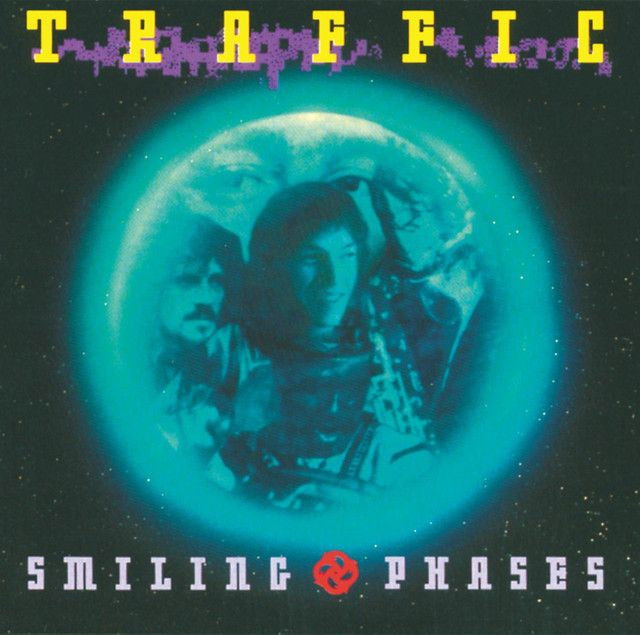
Dear Mr. Fantasy by Traffic
Traffic turned a simple plea for a good song into a deeper portrait of what audiences ask from performers.
"Dear Mr. Fantasy" - Traffic
Provided by LyricFindDear Mister Fantasy play us a tune
Something to make us all happy
Do anything take us out of this gloomLoading...Loading lyrics...
Unable to load lyrics
We're unable to display the lyrics at this time. Please try again later.
Why the Song Still Feels Unsettling
The meaning of Dear Mr. Fantasy Traffic starts with a request for escape. The speaker asks a musician to lift everyone out of sadness and put on a show. On the surface, that sounds warm and harmless. But the song quickly reveals a harder truth: people often want comfort from artists without thinking about the cost.
Traffic released the track in 1967 as the title song of their debut album Mr. Fantasy. It was recorded at Olympic Studios in London, produced by Jimmy Miller, and credited musically to Steve Winwood and Chris Wood, with lyrics by Jim Capaldi, according to Wikipedia and Songfacts.
That background matters because the record arrived at the height of British psychedelic rock, yet this song feels darker than many of its era's brighter, more playful hits.

Watch the official Dear Mr. Fantasy
music video
A Song About Entertainment and Emotional Labor
At the center of the lyric is a crowd asking to be rescued from boredom, sadness, or emotional heaviness. They want Mr. Fantasy to play us a tune
and do something to make them feel better. The demand sounds casual, but it is also revealing.
The audience asks him to make us all happy
and to move quickly, even urging him to make it snappy
. In plain terms, the song shows how listeners can treat an artist like a machine for joy. They want laughter, energy, and relief on command.
Then the lyric flips. The very person who can make others laugh may also break out in tears
. That contrast is the emotional key to the song. It suggests that performance can hide pain rather than erase it.
Interpretation: many listeners hear this as a portrait of the tortured entertainer. The song does not accuse the audience outright, but it does expose the imbalance between what crowds ask for and what performers carry inside.
Who Speaks, and Why That Matters
The lyric uses a collective voice. The repeated "us" and "we" frame the speaker as part of a group rather than one lone person. That makes the request feel bigger and more social.
Instead of one friend asking another for help, the song sounds like a public appeal to a performer whose role is to absorb the crowd's gloom. That communal voice also adds pressure. Mr. Fantasy is not just expected to entertain one person. He is expected to rescue everyone.
This is where the meaning of Dear Mr. Fantasy Traffic becomes richer than a simple song about cheering up. It is really about expectation. The artist exists in the lyric as both healer and victim.
The Line That Changes Everything
The most moving idea comes near the end, when the song suggests that if Mr. Fantasy had been ordinary or emotionally straightforward, people might never have known him at all. In other words, his sensitivity, sadness, or instability may be part of what makes his art meaningful.
please don't be sad
if it was a straight mind you had
we wouldn't have known you
all these years
That is a sympathetic idea, but it is also troubling. The lyric seems to comfort the artist while quietly admitting that audiences value him partly because of his difference or pain.
Interpretation: this can be read as the song's most unsettling message. It hints that art and suffering are linked in the public imagination, even when no one wants to say that directly.
How Traffic's Sound Deepens the Meaning
The arrangement helps explain why the song feels so haunted. Sources describe it as moody, atmospheric, and almost eerie, with a running time of 5:44, the longest track on side one of the album at the time, according to Songfacts.
Steve Winwood's vocal is central. His singing sounds soulful and burdened at once, which gives the plea emotional weight. AllMusic, quoted on Wikipedia, praised the song's dark tone and Winwood's mournful delivery.
Instrumentally, the track blends psychedelic color with blues-rock gravity. The organ and guitar do not simply decorate the lyric; they thicken it. The groove moves like a slow procession, making the request for happiness feel shadowed from the start.
Producer Jimmy Miller even played maracas on the recording, a detail noted by Songfacts. That subtle percussion helps keep the song moving while the rest of the arrangement hangs in a fog.
The Setting Behind the Mystery
Traffic worked on material while living at Sheepcot Farm in Berkshire in 1967. Steve Winwood later said the band felt a "mystery in the landscape," as quoted by Songfacts. That sense of place helps explain the song's mood.
Jim Capaldi also linked the song's origin to a strange early-morning moment after LSD, again reported by Songfacts. That fact should not be overstated, but it fits the track's dreamlike, unstable feeling.
Why the Song Endures
The song lasted because its idea never went out of date. Artists are still asked to distract, heal, and entertain, often while struggling themselves. That makes the meaning of Dear Mr. Fantasy Traffic feel current, not locked in 1967.
Its later use in film and television, including Avengers: Endgame, also proved how well it can suggest weariness, longing, and emotional drift, as noted by Wikipedia.
Final Thought
Traffic's song is not just a request for music. It is a sharp, sad reflection on what people ask from performers and what they may never see behind the curtain.
Disclaimer: This interpretation mixes documented background with informed reading of the lyrics and sound. Meaning can vary from listener to listener.









