Why 'Handle With Care' Still Feels Human
The meaning of Handle With Care Traveling Wilburys starts with a simple idea: even confident, successful people want to be treated gently. The song sounds easygoing, but under that warm surface it carries bruises, loneliness, and a quiet plea for connection.
"Handle With Care" - Traveling Wilburys
Been sent up, and I've been shot down
You're the best thing that I've ever found
Loading lyrics...
Unable to load lyrics
We're unable to display the lyrics at this time. Please try again later.
Released as the debut single from Traveling Wilburys Vol. 1 in 1988, the track also has a famous backstory. It began as a possible B-side for George Harrison, but the song impressed Warner Bros. enough that it helped spark the creation of the group itself, according to the song’s documented history and recording notes in major reference sources. That origin matters because the track feels accidental in the best way: relaxed, unforced, and full of chemistry.
A Gentle Chorus Hiding a Tough History
At the center of the song is a direct request: Handle me with care
. Before that refrain arrives, the verses pile up stories of being knocked around, dismissed, and exhausted. In plain terms, the narrator says they have been through enough and do not want another careless relationship.
This is why the chorus works so well. It is tender without sounding weak. The singers admit damage, but they also keep their dignity. That balance gives the song its emotional force.
Interpretation: The lyric is not only about romance. It also sounds like a wider statement about adulthood itself. People collect scars, and closeness becomes harder when trust has already been tested.

Watch the official Handle With Care
music video
The Voices Make the Meaning Bigger
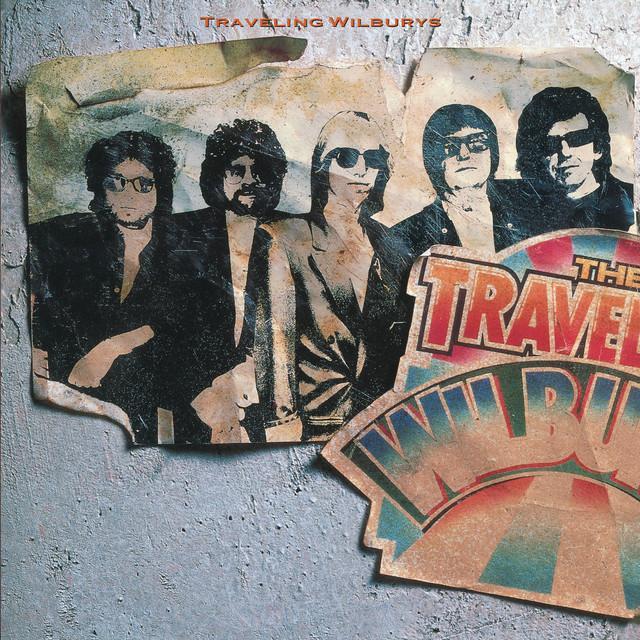
One reason the song lands so deeply is that it is shared among five very different artists: George Harrison, Jeff Lynne, Bob Dylan, Roy Orbison, and Tom Petty. The official credits list all five as writers, with Harrison and Lynne as producers.
Each singer brings a different shade of vulnerability. Harrison sounds calm but wounded. Orbison lifts the emotional center with the aching line so tired of being lonely
. Dylan then gives the song a rougher, more ironic edge, especially when the words move toward pressure, travel, and public life.
That handoff between voices turns one person’s confession into something broader. Instead of a single heartbreak story, the song becomes a group portrait of people who have been tested in different ways.
Bruised by Life, Not Defeated by It
The verses are full of setbacks. Short phrases like robbed and ridiculed
and overexposed, commercialized
point to humiliation, burnout, and the feeling of being used. Some lines sound personal, while others clearly brush against the machinery of fame.
That mix is important. The song never pins itself down to one event or one wound. It moves between emotional hurt and public pressure, which lets listeners hear their own lives in it.
Everybody's got somebody to lean on
Put your body next to mine
This is the article’s clearest moment of comfort. After the list of grievances, the song briefly imagines rest, intimacy, and mutual support. It does not erase the pain. It simply says healing may begin when people stop pretending they are invincible.
A Supergroup Song That Refuses Supergroup Ego
The history behind the track adds another layer to the meaning of Handle With Care Traveling Wilburys. According to widely cited accounts, Harrison got the title from a box labeled “Handle with Care” in Bob Dylan’s garage, where the basic track was recorded. What could have been a throwaway studio joke became the emotional key to the whole song.
That matters because the recording does not sound grand or self-important. It sounds like friends sitting close together, trading lines and instincts. For a band made of stars, that lack of ego is striking.
Interpretation: The song can be heard as a quiet answer to the heavy legacy these artists carried from the 1960s and 1970s. Rather than proving greatness, they let themselves sound human.
How the Music Softens the Blow
Musically, the track supports that message with warmth instead of drama. Reference accounts describe a folk-rock arrangement built on acoustic guitars, with Harrison adding signature electric touches on Rickenbacker 12-string and slide guitar. Dylan contributes harmonica, while Lynne shapes the polished but friendly production.
Nothing crashes or overwhelms. The groove moves easily, even when the words mention chaos. That contrast matters. The arrangement tells listeners that pain can be spoken without turning into despair.
The melody also helps. Orbison’s section rises into open-hearted yearning, while the group harmonies make the chorus sound communal rather than isolated. They are not just asking to be treated carefully; they are offering the same gentleness back.
Why the Song Still Connects
Part of the song’s staying power is how ordinary its need is. Beneath the star power, the message is simple: life hardens people, but they still want tenderness. The final effect is hopeful, not bitter.
That is why the song still feels fresh. It names hurt without getting trapped in it. It admits loneliness without giving up on closeness. And it turns a modest phrase into a lasting emotional truth.
In the end, Handle With Care is about vulnerability with self-respect. They have been knocked around, but they have not closed themselves off. They are still willing to love, as long as that love arrives with care.
Disclaimer: This interpretation is based on the lyrics, recording history, and musical context. Like most songs, it can support more than one valid reading.







