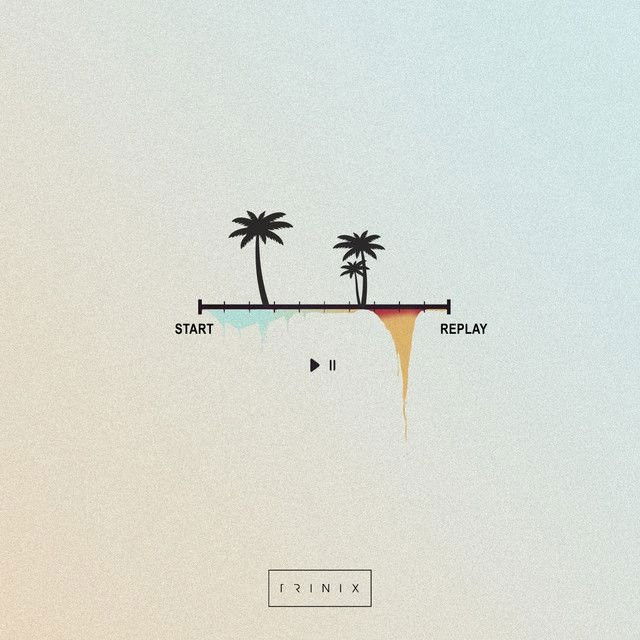
Why ‘Replay’ Still Lives in the Mind
The meaning of Replay Trinix, Moze starts with a simple idea: a crush can feel like a song that will not stop playing. Even with very few words, the track builds a strong picture of attraction as repetition, memory, and mental noise. It is catchy on purpose, and that catchiness is part of the message.
"Replay" - Trinix, Moze
That I can't keep out
Got me singin' like
Loading lyrics...
Unable to load lyrics
We're unable to display the lyrics at this time. Please try again later.
This version leans on a familiar pop premise, but its power comes from how clearly it connects feeling and sound. They present infatuation not as a deep conversation or a complicated breakup, but as a loop. That makes the song easy to remember and easy to relate to.
The Core Message Hides in Plain Sound
At the center of the song is the comparison between a person and a tune. When the singer says like a melody
, they are not just complimenting someone. They are saying this person has become part of their thinking, almost like background music that keeps returning.
That is why the line in my head
matters so much. The emotion is internal. Nothing dramatic is happening in the outside world. The real action is mental: the singer cannot shake the memory, the attraction, or the rhythm attached to it.
Interpretation: The song is less about a relationship and more about the moment when desire becomes habit. A crush turns into a repeated thought, and repeated thought starts to feel like identity.

Watch the official Replay
music video
A Hook About Infatuation, Not Conversation
The chorus does nearly all the storytelling. The key idea is that the person is impossible to remove from the mind, summed up in stuck on replay
. That phrase translates romantic fixation into everyday technology.
Back when iPods shaped how many people listened to music, replay meant control, repetition, and comfort. The metaphor works because it feels ordinary. Everyone knows the feeling of a track looping so often that it becomes part of the day.
Got me singin' like
na na na na everyday
Those lines matter because they show that the feeling goes beyond thought and becomes behavior. The singer is not just remembering someone. They are humming, repeating, and living inside the loop.
What the Minimal Lyrics Actually Do
A song this repetitive can seem almost too simple at first. But that simplicity is part of its design. Instead of adding detail, it repeats the same emotional state until the listener feels it too.
There is no clear timeline, no detailed backstory, and no character development. In a way, that absence is the point. Infatuation can flatten everything else. The world narrows, and one idea keeps returning.
Three ideas the lyrics keep circling
- Attraction feels musical.
- Memory feels involuntary.
- Repetition makes emotion stronger.
The phrase can't keep out
is especially important. It suggests the thought is unwelcome and welcome at the same time. They enjoy the feeling, but they also seem overtaken by it.
Why the Production Fits the Meaning So Well
The meaning of Replay Trinix, Moze also comes through in the sound. Even without unpacking every musical detail, listeners can hear a loop-based structure. Short melodic turns, a bright pop pulse, and a chant-like refrain all mirror the lyrical idea of replay.
That matters because the song does not merely describe repetition. It performs repetition. The beat and vocal phrasing create the same circular feeling the lyrics talk about. The listener experiences the metaphor instead of just hearing it explained.
This is a big reason the song remains sticky. Its structure acts like memory: short, recurring, and hard to shake. The production and lyric are working toward the same goal.
Artist Context and Writing Credits
The writing credits provided for the song include Kisean Anderson, Jonathan Rotem, Jason Desrouleaux, Keidran Jones, Timothy Theron, and Thomas Theron. Those names point to a collaborative pop-writing approach, where melody, hook, and rhythm are often treated as the emotional engine of the track.
That context helps explain why the song is built around one central image instead of many. In hook-driven pop, one sharp metaphor can carry the whole record if it is memorable enough. Here, that metaphor is music as obsession.
Because this article focuses on the Trinix and Moze presentation of the song, the emphasis stays on how they channel that already-strong hook into a sleek, replayable performance style.
Alternate Ways to Read the Song
Interpretation: The most obvious reading is romantic infatuation. A person is so appealing that they become a constant thought.
Interpretation: A second reading is about pop itself. The song can almost be heard as a playful comment on why catchy music works: repetition creates attachment. In that sense, the track describes the very effect it hopes to have on listeners.
That self-aware quality helps explain its staying power. It is a song about being unable to forget a song-like person, delivered in a way that is itself hard to forget.
The Lasting Takeaway of the Track
The meaning of Replay Trinix, Moze is not hidden behind complex poetry. It is direct, bright, and built for instant recognition. They turn a common feeling, having someone stuck in the mind, into a clean pop metaphor that almost anyone can understand.
What makes it work is the match between message and method. The words describe replay, and the music creates replay. That is why the song feels so immediate.
Disclaimer: This interpretation is based on the song’s lyrics, structure, and credited context. As with any pop song, listeners may hear different shades of meaning in the same hook.









