Why 'Miss The Rage' Feels So Addictive
The meaning of Miss The Rage Trippie Redd, Playboi Carti starts with contradiction. The song sounds huge, exciting, and almost celebratory. But under that rush, it paints a world narrowed by money, ego, violence, and overstimulation.
"Miss The Rage" - Trippie Redd, Playboi Carti
Haha
I can't see a damn thing if it ain't guap (oh my, woah)
Loading lyrics...
Unable to load lyrics
We're unable to display the lyrics at this time. Please try again later.
Released in 2021, the track became one of Trippie Redd’s biggest crossover moments, with Playboi Carti adding a verse that leans into his chaotic “rage” persona. Factually, the song was issued as a single and later appeared on Trip at Knight; major credits list Trippie Redd, Playboi Carti, and writers including Cas van der Heijden, Jordan Carter, and Michael Lamar White II. The song’s producer credits are commonly given to Loesoe, Shoki, and Outtatown.
The Hook Turns Obsession Into a Worldview
The clearest idea arrives in the chorus. When they repeat I can't see a damn thing
and tie that blindness to guap
, they reduce life to a single goal: money.
That is why the hook matters so much. It is not just bragging. It shows tunnel vision. In this world, wealth is not one desire among many; it becomes the only thing worth noticing.
Interpretation: This makes the song feel less like a simple flex anthem and more like a portrait of overstimulated ambition. They are not only celebrating success. They are showing how fame culture can flatten everything else.
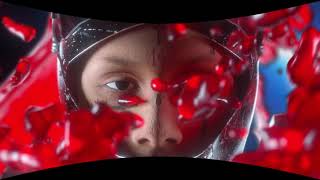
Watch the official Miss The Rage
music video
A Persona Built on Being Untouchable
Throughout the verses, both artists present themselves as figures others cannot fully reach. The line they can't see me
suggests more than celebrity. It signals distance, superiority, and maybe even alienation.
They stack that image with luxury details, fast cars, and designer-coded lifestyle references. Those images matter because they create a fantasy of movement and escape. They are always speeding forward, never sitting still long enough to reflect.
This is one reason the song connects so strongly with the “rage” style rising around Playboi Carti at the time. The point is not realism. The point is intensity.
Violence Is Part of the Mood, Not Just the Plot
A large part of the song’s energy comes from threats and combat imagery. References to shooters, rivals, and keeping score turn conflict into background atmosphere.
When a line like heart and soul into the Glock
appears, it shocks because it fuses emotion with weaponry. Instead of love or art getting full devotion, violence becomes the object of commitment.
Interpretation: That does not mean the song is carefully arguing for violence. It means the song reflects a world where survival, pride, and aggression are mixed together. Rage here is social posture. It is how power gets displayed.
Carti’s Verse Pushes the Song Into Surreal Excess
Playboi Carti’s appearance changes the record’s texture. Trippie Redd’s hook is massive and easy to latch onto, but Carti makes the song stranger. His flow drifts across the beat in clipped sounds, ad-libs, and half-sung phrases.
That matters to the meaning of Miss The Rage Trippie Redd, Playboi Carti because Carti’s verse feels less like storytelling and more like impulse. Desire, appetite, and ego blur together. Even a phrase like I'm on the deep end
hints at losing stable ground.
Interpretation: Carti’s section can be heard as the song crossing from confident flexing into intoxicated drift. The narrator sounds powerful, but also swallowed by the very excess he celebrates.
The Beat Explains Why the Song Hit So Hard
The production is essential to the song’s meaning. The synth lead is bright, distorted, and almost heavenly, while the drums hit with trap aggression. That contrast creates the feeling that the song is floating and crashing at the same time.
This is why fans often treat the beat like an event of its own. It feels triumphant, but also unstable. The music lifts the song above ordinary street-rap realism and places it in something closer to a digital fantasy.
Why the sound matters
- The soaring synths make the flexes feel mythic.
- The hard drums keep the threat level high.
- The ad-libs add chaos and personality.
- The repetitive hook turns obsession into hypnosis.
In other words, the production does not just support the lyrics. It tells the same story in sound.
The Title May Be Ironic
The title Miss The Rage is interesting because the song does not sound like calm reflection on a lost emotion. It sounds like rage being relived and performed in the present.
Interpretation: The phrase may be ironic. Instead of saying they truly miss anger, the title suggests a culture addicted to heightened feeling. Rage becomes something people revisit because normal life no longer feels intense enough.
That reading fits the song’s looped structure. The hook repeats not to resolve anything, but to trap the listener in the same mindset.
So What Is the Song Really Saying?
At the simplest level, it is a rap song about money, status, lust, rivals, and power. But its bigger effect comes from how it turns those familiar themes into a total atmosphere.
The song presents a mind flooded by fame-era stimuli: cash, speed, weapons, sex, noise, and competition. The thrilling part is obvious. The emptier part is quieter, but still there.
That is the real meaning of Miss The Rage Trippie Redd, Playboi Carti: rage is not only anger. It is a whole emotional economy where visibility, danger, and desire replace peace.
Final Take on Its Lasting Appeal
The track lasts because it does two things at once. It works as a crowd-moving anthem, and it also captures the dizzy, unreal feeling of online-era stardom.
They sound invincible, but not grounded. That tension is what keeps the song interesting.
Disclaimer: This interpretation is based on the released lyrics, performance style, and public context. As with most songs, some meanings remain open to listener interpretation.








