What 'XXX's And OOO's' Says About American Women
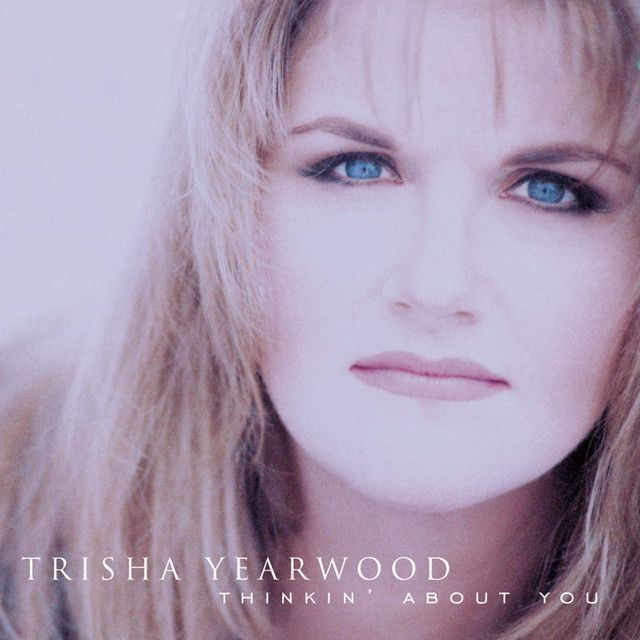
The meaning of XXX's And OOO's (An American Girl) Trisha Yearwood comes down to a sharp, catchy portrait of a woman trying to hold together work, love, and self-respect. Released in 1994 as the lead single from Thinkin' About You, the song became Trisha Yearwood’s second No. 1 on Billboard’s Hot Country Songs chart and was written by Matraca Berg and Alice Randall, with production by Garth Fundis. Those facts matter because the song sits right at the center of 1990s country’s interest in female independence.
"XXX's And OOO's (An American Girl)" - Trisha Yearwood
Good mornin' honey
Go to work, make up, try to keep the balance up
Loading lyrics...
Unable to load lyrics
We're unable to display the lyrics at this time. Please try again later.
Rather than telling one dramatic story, it stacks snapshots of daily life. A phone rings, a baby cries, money has to be earned, and romance still has to survive. The result is a song about ordinary pressure that feels bigger than one household.
A Working-Woman Anthem in Disguise
At first listen, the song sounds playful and fast. But its real subject is labor. The woman at the center is not glamorous in a distant way. She is managing the day as it comes, trying to keep a life together between responsibilities and desire.
That is why the lyric about balancing love and money
matters so much. In plain terms, the song says adulthood is not neat. The woman is asked to be loving, practical, attractive, and efficient all at once.
Interpretation: The song works as a quiet feminist statement because it never turns into a speech. Instead, it shows the workload. The listener hears how much this “American girl” is expected to carry, and that makes her strength feel real.

Watch the official XXX's And OOO's (An American Girl)
music video
The Chorus Turns Girlhood Into Identity
The hook reaches backward before it pushes forward. When the song recalls ribbons and bows
and letters signed with X's and O's
, it is not just being cute. It connects the adult woman to the girl she used to be.
That contrast is the emotional center of the song. She may now be navigating bills, romance, and hard work, but the song insists she has not lost tenderness. Childhood symbols stay beside adult struggle.
Got a picture of her Momma
in heels and pearls
This brief image matters because it gives her a model of womanhood. She has inherited ideas about beauty, poise, and adulthood from her mother, while also trying to survive in what the song calls Daddy's world
. In other words, she is standing between two examples: the feminine ideal and the male-run system.
Why “Daddy’s World” Is the Key Line
The most important phrase in the song is the one about making it in Daddy's world
. Paraphrased, the lyric says she wants success in a world where men still set many of the rules.
That line gives the whole song its edge. Without it, this would be a lively character sketch. With it, the song becomes a comment on gender and ambition in America.
Interpretation: The chorus does not present her as a rebel from the outside. It presents her as someone who belongs to this culture and still has to fight within it. That is why the repeated phrase “American girl” feels both proud and loaded. It celebrates her, but it also asks what America demands from its women.
The Sound Keeps It Bright, Not Bitter
One reason the message travels so well is the production. According to album credits summarized by Wikipedia, the recording features top Nashville players including Brent Mason on electric guitar, Paul Franklin on steel guitar, Eddie Bayers on drums, and Rob Hajacos on fiddle. That mix gives the song bounce, motion, and polish.
Instead of sounding heavy, it moves with a quick, almost conversational rhythm. That mirrors the lyric’s list of chores and pressures. The beat keeps pushing forward, like the woman herself.
Yearwood’s vocal also matters. They deliver the lines with warmth rather than anger. That choice makes the song feel inclusive. It is not scolding anyone; it is noticing a truth many listeners already knew.
Aretha, Patsy, and a Wider Map of Womanhood
Late in the song, the references to Aretha Franklin and Patsy Cline widen the frame. Those names are not random. They bring together soul power and country heartbreak, suggesting that this woman draws strength from different traditions of female expression.
In a few words, the song links domestic life to culture, taste, and inner life. She is not just surviving chores. She has spirit, memory, belief, and pleasure. The mention of God and good wine adds to that picture: she is practical, but not empty.
Context Makes the Song Even Richer
The background is worth noting. The song was written by Berg and Randall, and Randall’s success here marked a historic milestone: in co-writing the track, she became the second Black woman to write a No. 1 country hit, as noted by Wikipedia. That does not change the lyric on its own, but it deepens the song’s place in country history.
Critical response was mixed. Billboard reviewer Deborah Evans Price quoted the song as aiming for assertive meaning, though she was not fully convinced by the result. Even so, audiences clearly connected with it, and its chart success suggests listeners heard something lively and true in its portrait.
The Lasting Meaning of the Song
So, what is the meaning of XXX's And OOO's (An American Girl) Trisha Yearwood? It is a portrait of a woman who is affectionate, overworked, culturally aware, and determined to make space for herself. The song honors the ordinary American woman not by idealizing her, but by showing how much she manages.
Its smartest move is that it keeps softness and strength together. The same person who once wrote loving letters now handles jobs, expectations, and unequal systems. That tension is the point.
In the end, the song says an American girl is not simple at all. She is busy, pressured, sentimental, capable, and still pushing forward.
Disclaimer: This interpretation is based on the lyrics, recording context, and documented reception. Like all song analysis, some meaning remains open to listener interpretation.









