Why "Bola Rebola" Feels Bigger Than a Club Hit
The meaning of Bola Rebola Tropkillaz, J Balvin, Anitta, Mc Zaac starts with the body. This is not a story song in the usual sense. Instead, it uses repetition, commands, and swagger to create a world where dance becomes language.
"Bola Rebola" - Tropkillaz, J Balvin, Anitta, Mc Zaac
Vai assim, 'tá bom?
Vamo te ensinar tudo direitinho, assim, ó
Loading lyrics...
Unable to load lyrics
We're unable to display the lyrics at this time. Please try again later.
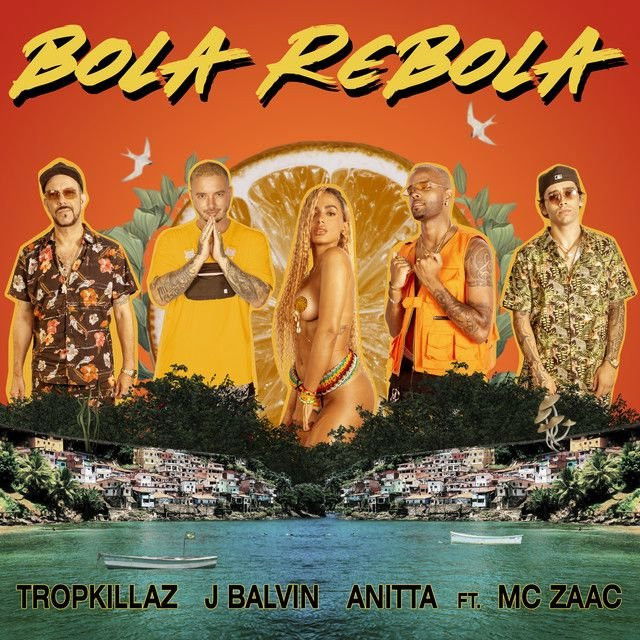
Released in 2019 by Brazilian production duo Tropkillaz with Anitta, MC Zaac, and J Balvin, the track brought Brazilian funk energy into a wider Latin pop space. That crossover was part of its appeal, with major coverage around the release from outlets like Billboard and credits documented on platforms such as Spotify and Genius.
The Real Message Lives in Motion
At the most basic level, the song is about letting go in a party setting. The title phrase, bola rebola
, acts like a chant aimed at the dance floor. Rather than building a plot, the song builds momentum.
That matters because the track treats dancing as more than entertainment. It becomes a show of confidence, attraction, and status. When the performers trade lines in Portuguese, Spanish, and English, they are not just adding variety. They are making the party feel borderless.
Interpretation: The song suggests that movement itself is power. Whoever controls the rhythm of the room also controls the attention inside it.

Watch the official Bola Rebola
music video
A Flirty Song With a Strong Streak of Control
The lyrics are openly sensual, but they are not only about desire. Much of the song is built around giving directions, watching, teaching, and responding. Early lines like shake your body, baby
frame the interaction as playful and physical.
But the song does not stay one-sided. Anitta’s section shifts the balance. When she says Do what I want
, the message becomes clear: the dancer is not just being watched. They are setting the terms.
That is one reason the song feels more modern than a simple party chant. It presents flirtation as a push and pull. One voice wants, another voice decides, and the beat keeps both locked in the same space.
How the Verses Build a Street-Party World
The song’s details place the action in a neighborhood party atmosphere, not a polished fantasy. J Balvin’s verse mentions fiesta de barrio
and dancing in the favela, connecting the record to local celebration and street culture.
Those references matter. They give the song social texture. Even when the lyrics get flashy with heat, luxury, and attention, the setting still feels grounded in community energy.
Three key ideas drive the verses
- Dance as instruction: Several lines sound like demonstrations or challenges.
- Desire as performance: Attraction is public, loud, and competitive.
- Party as identity: The space itself represents Brazilian and Latin urban culture.
Interpretation: The song’s world is one where dance ability stands in for charisma. To move well is to belong.
Why the Hook Is So Repetitive
The chorus repeats the title over and over because repetition is the point. It strips away complexity and leaves pure rhythm. That makes the hook easy to chant, but it also mirrors the physical looping motion the song describes.
In other words, the hook does not explain the song. It enacts it. Each return to bola rebola
feels like another push deeper into the same beat.
Bola rebola, rebola
Bola rebola
That tiny loop captures the song’s whole method: less storytelling, more immersion.
The Sound Explains the Meaning Better Than the Words
A big part of the meaning of Bola Rebola Tropkillaz, J Balvin, Anitta, Mc Zaac comes from production. Tropkillaz are known for blending bass-heavy electronic music with Brazilian funk influences, a style reflected across their releases and live sets on sources like Beatport and their official channels.
Here, the beat is springy, percussive, and relentless. The low end gives the track weight, while the vocal ad-libs make it feel crowded and alive. The rhythm does not glide; it bounces. That bounce is crucial because it turns the song into something felt physically before it is processed intellectually.
Anitta’s delivery adds sharpness and authority. MC Zaac brings raw funk energy. J Balvin adds a smoother but still animated charisma that helps bridge Brazilian and reggaeton audiences. Together, they create a song that sounds like a meeting point between scenes rather than a compromise between them.
Cultural Crossover Is Part of the Song’s Meaning
Factually, this is a multinational collaboration: Brazilian artists and producers working with one of Latin pop’s biggest global stars. That is not just marketing. It shapes the song’s identity.
The mix of Portuguese, Spanish, and English makes the track feel intentionally international. At the same time, its core groove stays tied to Brazilian funk. That balance is why the song landed as both a club record and a cultural statement.
Interpretation: The track says local sounds do not need to be softened to travel. They can stay loud, specific, and rhythmic, and still become global.
Final Take on "Bola Rebola"
So, what is the song really saying? It is celebrating dance as freedom, flirtation as theater, and rhythm as social power. Its lyrics are simple by design, because the deeper message is carried by repetition, attitude, and sound.
For listeners in the United States, the song can sound like a carefree party hit. That reading is true. But it also works as a showcase for Brazilian funk’s energy and for the kind of Latin crossover that keeps local identity intact.
Disclaimer: This interpretation mixes documented context with informed reading of the lyrics, performance, and production. Meaning can vary from listener to listener.








