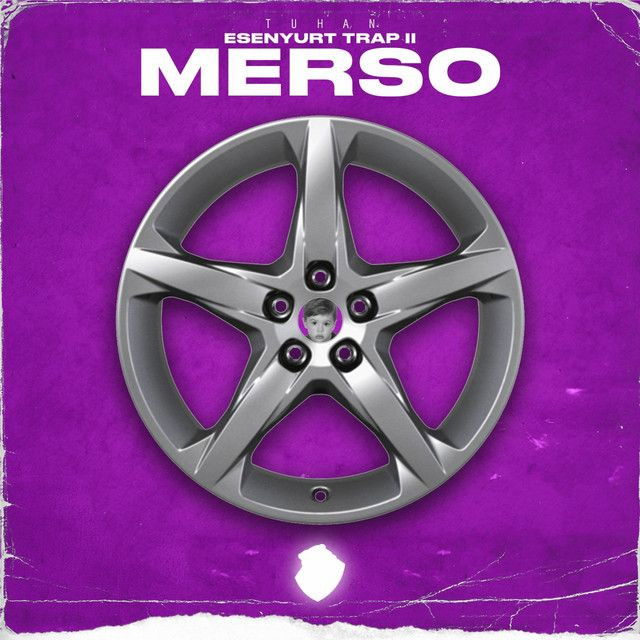
Esenyurt Trap Merso by Tuhan
The meaning of Esenyurt Trap Merso Tuhan comes through in its mix of flexing, local pride, and quiet stress. On the surface, the song sounds like a fast, stylish trap record built around cars, nightlife, and image. Under that, it also shows how success can feel risky, performative, and tiring.
"Esenyurt Trap Merso" - Tuhan
Olmаz, olmаz demiyo'm
Pаnаmerа'dаki flow
Loading lyrics...
Unable to load lyrics
We're unable to display the lyrics at this time. Please try again later.
Tuhan and the songwriters Batuhan Meric and Ugur Ozturk build a world where luxury is always linked to place. The references to Esenyurt and Beylikdüzü matter because they turn the track into a neighborhood statement, not just a generic boast. The song is less about one car than about what that car means when it rolls through a specific social scene.
The Real Core of the Track
At its center, this song is about turning survival into style. The repeated Mercedes image gives the music its main symbol: polished success that can be seen, heard, and judged. When the lyrics describe Sedefli, beyaz
and suggest that the cars are glowing in the night, they frame luxury as a public performance.
That matters because the song keeps tying surface shine to danger. A phrase like Şeytanla kontrat
suggests a bargain with darker forces. Interpretation: they may be saying that getting status in this world comes with moral cost, pressure, or exposure to trouble.
So the song works in two directions at once:
- it celebrates image and elevation
- it admits that the lifestyle is unstable
- it treats the neighborhood as both support system and trap

Watch the official Esenyurt Trap Merso
music video
Why Place Is Everything Here
The named districts are not throwaway references. By saying Esenyurt, Beylikdüzü
, the song marks its identity clearly. For listeners outside Turkey, that local naming works like many regional rap songs in the U.S.: it makes the record feel rooted, territorial, and proud.
The neighborhood is shown as a source of code and protection. When the lyrics mention waiting for friends and refusing a certain flashy style, they present a social ethic. Even in a song full of consumer symbols, loyalty still matters.
Local pride, not just luxury
This is why the Mercedes motif lands. The car is expensive, but the bigger point is recognition. They want the neighborhood to see that they made it, or at least look like they did. The status object becomes a badge of belonging, not escape.
Brag Rap With Cracks in It
A lot of the song is classic trap boasting. There are references to smoking, models, nightlife, dopamine, and a city that feels like a game board. A line like İstanbul Monopoly
is especially revealing because it turns the city into a contest of movement, property, and power.
But the song also shows fatigue. The lyric about the father figure being tired introduces strain into the middle of all that confidence. Then the song becomes more than a parade of cool images.
Mahalle koruyor formuVallahi bu baba yorgunİstemiyorum hapis olsun sonu
Those lines shift the emotional balance. After so much polish and swagger, they suddenly admit weariness and fear of consequences. Interpretation: this may be the song's real heart. The flex is real, but so is the exhaustion behind it.
What the Chorus Keeps Repeating
The hook centers on the Mercedes wheels, payment by card, and always making room for friends. That combination is important. Instead of saying cash proves authenticity, the lyrics almost shrug money off and focus on visible lifestyle and social code.
When they say Her zaman bekleriz eş dost
, they suggest hospitality and group identity. In other words, status means little if it cannot be shared with the circle. That softens the hard edges of the flexing and gives the hook a communal feeling.
The Sound of Speed and Display
Even without formal production credits available here, the writing strongly points to modern trap production. The repeated ad-libs, clipped boasts, luxury references, and fast image changes fit a beat built for bounce and menace. Listeners can reasonably expect heavy bass, sharp hi-hats, and a hypnotic loop that keeps the track in motion.
That style supports the meaning. Trap production often creates a feeling of constant forward push, and this song uses that energy well. The beat likely mirrors the car imagery: sleek, repetitive, and slightly dangerous.
Vocal attitude matters too
The vocal writing leans on stacked slogans and quick-hit images rather than long storytelling. That makes the song feel like flashes from a night drive: lights, smoke, traffic, jewelry, stress, and bravado all coming in bursts.
This fragmented style fits the theme. Their world is not calm or reflective for long. It is fast, crowded, and always being watched.
A Useful Interpretation for New Listeners
For U.S. listeners, the easiest way to hear the meaning of Esenyurt Trap Merso Tuhan is as a regional trap anthem with a conscience. It enjoys the look of wealth, but it never fully trusts that look. The car shines, the city opens up, but the risks stay close.
That tension is what gives the song life. Without it, the track would just be another flex record. With it, the song becomes a portrait of ambition shaped by neighborhood loyalty, nightlife pressure, and the fear that success can end badly.
Final Take
Tuhan's song is about more than a Mercedes. It is about how status travels through a neighborhood, how image protects and exposes them, and how pride can sit right beside burnout. The song celebrates the climb while admitting the cost.
Disclaimer: This interpretation is based on the lyrics provided and general trap conventions. As with any song meaning, some details remain open to listener interpretation.








