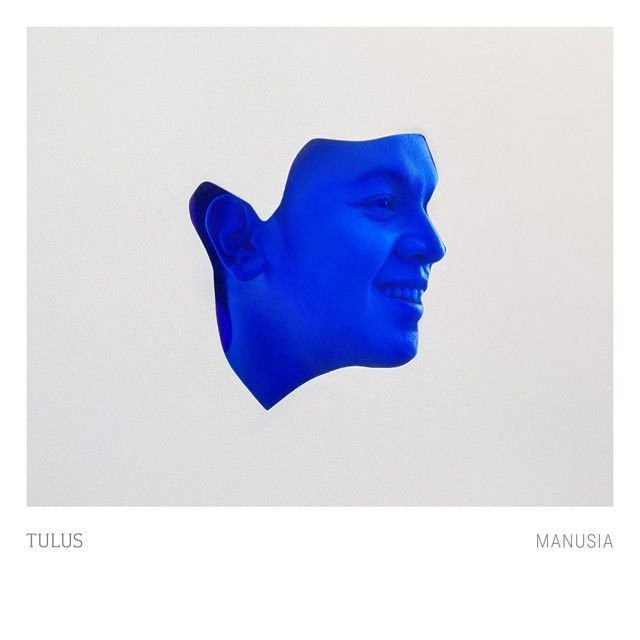
Diri by Tulus: A Gentle Anthem of Self-Forgiveness
The meaning of Diri Tulus begins with a simple but powerful idea: healing starts when a person stops fighting themselves. Rather than telling a dramatic story, the song acts like a calm inner conversation. It urges the listener to forgive past mistakes, show kindness to their own heart, and loosen the pressure to always be strong.
"Diri" - Tulus
Kau maafkan semua salahmu ampuni dirimu
Hari ini ajak lagi dirimu bicara mesra
Loading lyrics...
Unable to load lyrics
We're unable to display the lyrics at this time. Please try again later.
That makes “Diri” feel less like a confession and more like a guide. Tulus frames emotional recovery as an everyday practice, not a sudden breakthrough. The result is one of their warmest songs: gentle, direct, and quietly life-affirming.
What the Song Is Really Saying
At its core, “Diri” is about self-compassion. The speaker encourages the self to make peace with old guilt, accept imperfection, and believe that survival itself deserves gratitude. Early lines ask the listener to face themselves honestly and offer forgiveness instead of blame.
A key phrase is berdamai dengan dirimu sendiri
, which points to making peace with oneself. That sets the emotional direction for the whole track. From there, the song keeps returning to release: letting old wounds lose their power and choosing calm over punishment.
Interpretation: The song does not pretend pain never happened. Instead, it suggests healing becomes possible when a person stops treating their own hurt as proof of failure.

Watch the official Diri
music video
An Inner Dialogue, Not a Public Speech
One of the most striking things about “Diri” is who seems to be speaking. The lyrics address the self directly, almost like a close friend offering advice in a difficult moment. This makes the song feel intimate without sounding fragile.
When the lyric points toward kau bisa percaya
, it is not blind positivity. It is a reminder that trust must begin inside. The song’s voice keeps returning to reassurance, but it does so in a grounded way: breathe, rest, speak gently, keep going.
That perspective matters to the meaning of Diri Tulus because it shifts the song away from performance. They are not trying to impress anyone. They are trying to survive with tenderness.
How the Chorus Turns Comfort Into a Mantra
The chorus is the emotional center of the song. It repeats the wish that wounds fade, peace takes over, and the self remembers its worth. The line kau terlalu berharga untuk luka
is especially important because it rejects the idea that suffering should define a person.
Another recurring phrase, semua baik-baik saja
, works like a calming refrain. In plain terms, the song is not saying life is perfect. It is trying to steady the listener through distress. Repetition matters here because comfort often has to be repeated before it feels true.
Luka-luka hilanglah luka
Biar tenteram yang berkuasa
These lines capture the heart of the song: not denial, but a desire for peace to have the final word.
Small Images, Big Emotional Meaning
“Diri” uses simple language, but its images carry real weight. Wounds are the clearest symbol. They represent emotional damage, regret, and exhaustion. Yet the song does not dwell on the source of the wound. It focuses on what healing requires.
Other motifs deepen that idea:
- Breathing suggests grounding and presence.
- Smiling becomes a quiet form of resistance.
- Rest signals that stepping back is not weakness.
- Enough points to boundaries and self-acceptance.
The phrase makna cukup
is especially meaningful. It suggests that one of the hardest lessons in adult life is understanding what “enough” feels like. Interpretation: This may be the song’s answer to burnout culture. A person does not have to break themselves to prove they matter.
How the Sound Supports the Message
Even without a dense arrangement, the song’s likely emotional power comes from restraint. Tulus often leans into smooth phrasing, warm melodies, and uncluttered delivery, which lets the message land softly instead of forcefully. In “Diri,” that approach fits perfectly.
The pacing feels meditative rather than dramatic. The melody rises where reassurance is needed, then settles back down. That motion mirrors the song’s emotional logic: acknowledge pain, then return to calm. The production does not need sharp edges because the lyrics already carry the tension.
Interpretation: If the listener hears the song as soothing, that is not accidental. Its gentleness is part of its argument. Healing here is not loud. It is patient.
Why This Message Connects So Deeply
Part of the reason “Diri” resonates is that it speaks to a common modern feeling: being too hard on oneself. Many people know what it is like to replay mistakes, ignore fatigue, or feel guilty for slowing down. This song answers that pressure with mercy.
The line about stepping aside when tired is especially practical. It turns emotional wisdom into action. Likewise, thanking oneself for surviving reframes endurance as something noble, not merely ordinary.
That is why the meaning of Diri Tulus feels universal. The song is not only about sadness. It is about learning how to live with softness in a world that often rewards strain.
The Lasting Takeaway of “Diri”
“Diri” offers a clear message: a person can heal by forgiving themselves, respecting their limits, and choosing peace over self-attack. Its language is simple, but its emotional insight is strong.
For many listeners, that is the song’s gift. It reminds them that kindness toward the self is not selfish. It is necessary.
Disclaimer: This interpretation is based on the song’s lyrics and musical presentation. As with any art, listeners may find personal meanings that differ from this reading.







