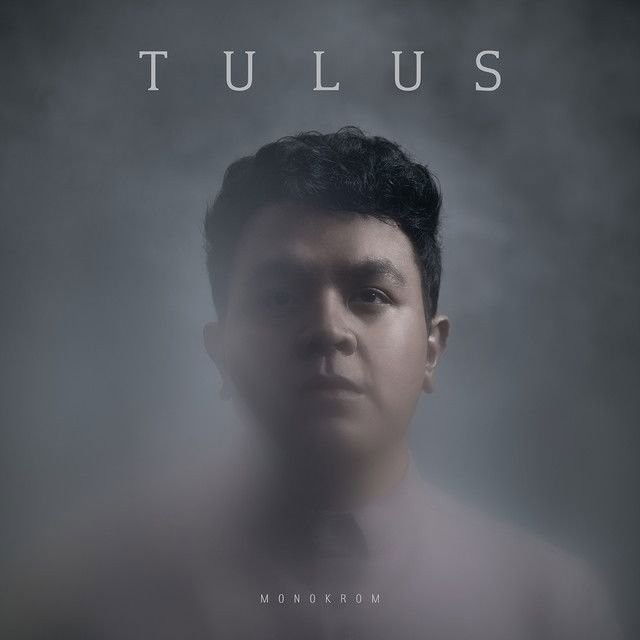
Why "Monokrom" by Tulus Feels So Personal
The meaning of Monokrom Tulus begins with a simple idea: memory does not stay perfectly clear, but love does. In this song, they look back at childhood and the people who filled their life with warmth. What starts as a recollection of old photos slowly becomes a public thank-you.
"Monokrom" - Tulus
Aku coba ingat lagi
Warna bajumu kala itu
Loading lyrics...
Unable to load lyrics
We're unable to display the lyrics at this time. Please try again later.
Tulus released “Monokrom” as the title track of their 2016 album Monokrom, and the song was written by Mohammad Tulus. Those basic credits are widely documented in the artist’s official catalog and major music platforms such as Tulus official and Spotify. Even without extensive background notes, the song itself tells listeners a lot: it is intimate, reflective, and deeply generous.
A Memory Song That Turns Into Gratitude
At first, the lyrics focus on old images and half-remembered details. The opening phrase lembaran foto hitam putih
points to black-and-white photographs, but the song is not really about photography. It is about how memory works. Faces, rooms, and small moments may blur, yet the feeling attached to them stays alive.
That is why the repeated contrast between black-and-white and color matters so much. They cannot fully recover every visual detail from the past, but they still remember what those people gave them emotionally. When the song thanks others for the warna dalam hidupku
, it turns color into a symbol for joy, guidance, and tenderness.
Interpretation: the song suggests that people become the “color” in one another’s lives. Memory may be monochrome, but love adds the missing shades.

Watch the official Monokrom
music video
Small Details, Big Emotional Weight
What makes the song moving is how ordinary its images are. They remember a hug, the smell of home, a chocolate cake, balloons, a birthday party, sleepless nights, and a calming voice. None of these details are grand. That is exactly the point.
Instead of chasing dramatic language, Tulus builds meaning through familiar scenes. A line like manusia lain memelukku
captures the wonder of early affection in very plain words. It feels almost childlike, which fits the perspective of someone looking back on formative years.
Later, the song recalls comfort at night through images of counting stars and a voice that helps them sleep. These moments expand the song beyond nostalgia. It is not just about remembering events; it is about remembering care.
The Chorus Sends Its Message Outward
The emotional center arrives when the singer says ku kirimkan terima kasih
. That line changes the song’s direction. Up to that point, the verses feel inward, as if they are flipping through an album alone. The chorus opens the room and addresses the people behind those memories.
This is why the meaning of Monokrom Tulus is not only nostalgia. It is gratitude made active. They are not simply admiring the past. They are offering thanks to those who shaped them.
There is also a subtle breadth in the phrase dimanapun kalian berada
. The addressee could be parents, family, mentors, friends, or loved ones who are now far away. Some listeners also hear a note of remembrance for people who may have passed on.
Interpretation: the song stays open on purpose, allowing many kinds of listeners to place their own important people inside it.
The Song’s Most Powerful Turn: Time Is Limited
Midway through, the lyrics take on greater emotional risk. The song reflects on not knowing how much time anyone has, then asks not to be forgotten if the speaker leaves first. This is the moment when “Monokrom” stops being merely sweet and becomes profound.
Jika aku pergi lebih dulu
Jangan lupakan aku
Ini lagu untukmu
These lines are brief, but they recast everything around them. Gratitude now exists beside mortality. Saying thank you matters because time is fragile. Remembering others matters because one day memory is all that remains.
Why “Monokrom” Sounds So Gentle
The production supports the message by staying soft and uncluttered. Tulus is known for polished pop with strong melodic focus, and “Monokrom” follows that pattern. Its arrangement leans warm rather than flashy, allowing the vocal to carry emotional nuance.
The pacing is calm, and the melody moves with a reflective ease. That matters because the song is about recollection, not crisis. A louder or more dramatic arrangement would have pushed the emotion too hard. Instead, the music gives the lyrics room to breathe, as heard on official releases from YouTube Music and Apple Music.
Interpretation: the restrained sound mirrors the act of looking through old memories carefully, with affection rather than overwhelm.
A Final Symbol: From Monochrome to Love
Near the end, the song returns to monochrome imagery and then links it directly to love. The final idea is clear: without the kindness of others, they would not understand love at all. This lands as both confession and tribute.
That closing move explains why the song has lasted. It does not only say, “I remember.” It says, “Who I am was painted by you.” In that sense, “Monokrom” is a song about identity as much as memory.
For listeners in the United States who may be new to Indonesian pop, the emotional logic is easy to recognize even across language. Everyone knows the strange feeling of looking at an old photo and realizing that the people in it helped create the person they became.
What “Monokrom” Ultimately Means
The meaning of Monokrom Tulus is a thank-you to the people who gave life its color. Through childhood snapshots, domestic details, and a quiet awareness of time passing, the song argues that love is remembered less as spectacle and more as care.
That is why “Monokrom” feels so personal. It honors the everyday acts that build a life.
Disclaimer: This interpretation is based on the lyrics, the recording, and publicly available release context. As with any song, some meanings remain open to listener experience.







