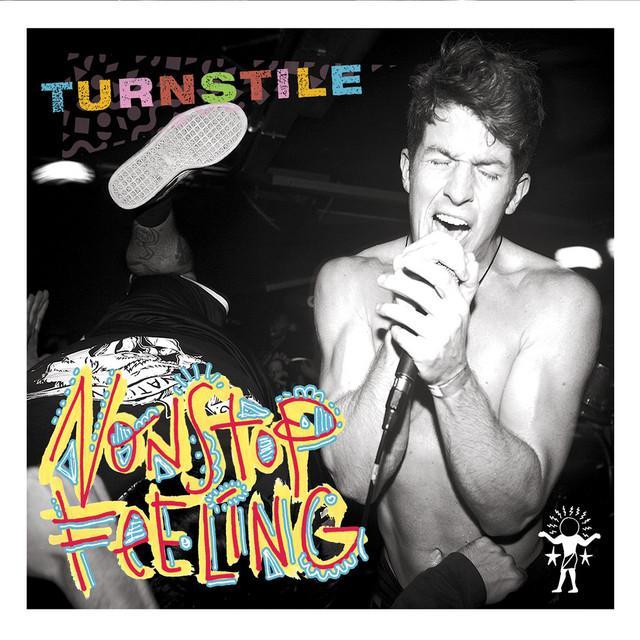
Stress by Turnstile
The meaning of Stress Turnstile comes through fast: this is a song about anxiety that feels physical, immediate, and hard to escape. Rather than tell a long story, they drop listeners into a body and mind already under pressure. The result is a short hardcore track that feels like waking up in the middle of a spiral.
"Stress" - Turnstile
Tight knot
A heart-aching body in shock
Loading lyrics...
Unable to load lyrics
We're unable to display the lyrics at this time. Please try again later.
Turnstile emerged from Baltimore’s hardcore scene, and their early work is known for mixing aggression with groove and clarity. On the band’s official and label materials, they are consistently framed as a hardcore band that pushes the style into more open, melodic spaces. That context matters here, because “Stress” uses hardcore speed and force not just for energy, but to mirror inner overload.
Where the Pressure Starts
At the center of the song is a simple idea: stress is not just a thought. It lives in the chest, the nerves, the breath, and the senses. Early lines describe a body in shock and a mind that cannot process language clearly. Short phrases like Tight knot
and Too blurred
make that feeling vivid without overexplaining it.
This is why the song feels so relatable. It does not name one cause, such as work, family, or conflict. Instead, it captures the raw sensation of being overwhelmed before they can even sort out why. That broadens the song’s reach and lets the emotion stand on its own.
Watch the official Stress
music video
A Mind That Will Not Shut Off
One of the strongest parts of the lyric is the sense of motion without progress. They describe tension as something building deep inside
, and that phrase matters because it suggests a slow, hidden rise rather than one sudden explosion.
The next key image is thought itself becoming dangerous. When the song mentions Paranoia driving
, it turns anxiety into a force taking control. Interpretation: that image suggests the speaker is no longer steering their own mind. Stress is now directing the ride.
The Song’s Emotional Timeline
The lyrics move in a tight sequence:
- They wake up already distressed.
- Their senses feel scrambled and unclear.
- The pressure keeps building instead of fading.
- They try to move and breathe for relief.
- The song ends with a blunt naming of the problem.
That structure is important. “Stress” does not offer a clean resolution. Even when they say movement and breath might help release pressure, the word “maybe” keeps hope limited. The song understands coping, but it does not pretend coping always works quickly.
Why the Hook Hits So Hard
The chorus is almost shockingly direct. After all the physical and mental symptoms, the song lands on Wake up / Break down
and finally the title word itself. That simplicity gives the track its power.
Instead of dressing the feeling up in poetic language, they strip it bare. Interpretation: the repeated breakdown image suggests a daily cycle. Waking is not a fresh start; it is the moment the struggle begins again.
Got to get out
before you drown
This is the song’s clearest warning. It frames stress as suffocation, not inconvenience. The metaphor of drowning turns emotional overload into a survival problem.
Images That Carry the Meaning
Several small images do a lot of work. Sleeping on rocks suggests discomfort so deep that rest itself becomes impossible. Not finding the switch implies there is no easy off button for intrusive thoughts. Looking for dark inside light suggests a mind trained to expect danger even in safe moments.
Together, these details build a portrait of hypervigilance. The speaker is not simply worried; they are stuck in a state where the body scans for threat and the mind cannot relax. That is why the song feels heavier than its short runtime might suggest.
How Turnstile’s Sound Becomes the Message
Musically, “Stress” is a great example of Turnstile’s early style: compact, hard-hitting, rhythmic, and immediate. The drums push the song forward with very little room to settle. The guitars feel tense and clipped rather than expansive, which matches the lyrics’ feeling of constriction.
Brendan Yates’ vocal delivery also matters. They do not sound detached or reflective. They sound caught inside the moment, which keeps the track from becoming abstract. In hardcore, that kind of direct performance can make a song feel bodily, and here that bodily quality is exactly the point.
Artist Context and What It Adds
Turnstile have built a reputation for making intense music feel inviting rather than closed off, a quality noted across coverage of releases like Glow On by outlets such as NPR and Pitchfork. Even in earlier material, that instinct is present. “Stress” is abrasive, but it is also clear and communal.
That matters to the meaning of Stress Turnstile because the song does more than document private suffering. It turns that suffering into something shouted out loud, which can feel like recognition. They take an inward crisis and make it collective.
One Song, Two Strong Readings
Interpretation 1: the song captures a panic attack in real time. The blurred senses, body shock, racing thoughts, and drowning image all support that reading.
Interpretation 2: it describes chronic anxiety as a daily routine. The repeated waking and buildup suggest this is not one bad hour, but a pattern that keeps returning.
Both readings fit, and that flexibility is part of the song’s strength. It is specific in sensation, but open in cause.
Why It Still Connects
“Stress” remains effective because it says something many listeners know but cannot easily explain: pressure can feel like a full-body event. Turnstile translate that feeling into rhythm, force, and a few sharp images that stick.
In that sense, the song is not just about suffering. It is also about naming the state clearly enough to face it. That honesty is a big part of why the track lands so hard.
Disclaimer: This article offers an interpretation of the song based on its lyrics, performance, and publicly available artist context. Meaning can vary from listener to listener.








