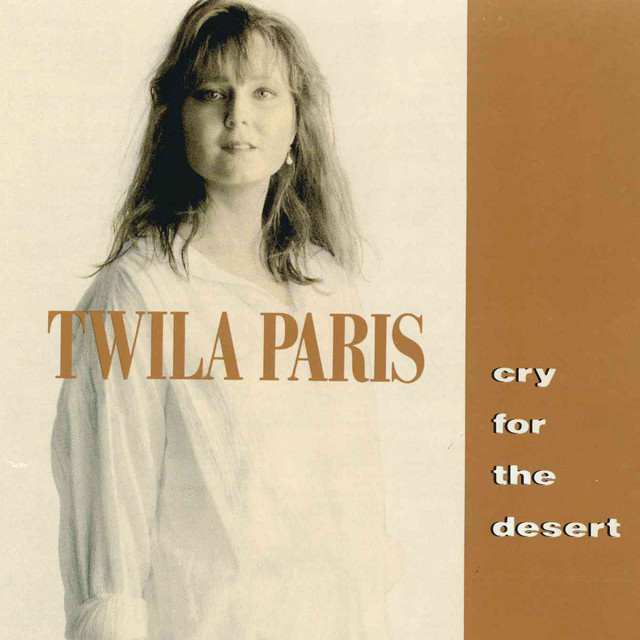
How Beautiful by Twila Paris
The meaning of How Beautiful Twila Paris starts with a simple idea: true beauty is not glamour or power. In this song, beauty is seen in service, sacrifice, forgiveness, and shared faith. Twila Paris builds that message through images from Jesus’ life, then expands it to include the church and the daily work of caring for others.
"How Beautiful" - Twila Paris
The wine and the bread
And the sons of the earth
Loading lyrics...
Unable to load lyrics
We're unable to display the lyrics at this time. Please try again later.
Where the Song Places Beauty
At first, the lyric focuses on parts of the body: hands, feet, heart, and eyes. Each image points to action. The hands served. The feet walked difficult roads. The heart suffered. The eyes forgave. Instead of describing beauty as appearance, the song describes beauty as love made visible.
That is why short phrases like the hands that served
and the feet that walked
matter so much. They point to a faith built on humble action. The song is not admiring Jesus from a distance. It is showing why His life is beautiful: He fed, walked, suffered, and gave.
Watch the official How Beautiful
music video
From Jesus’ Body to the Church’s Calling
The central refrain, the body of Christ
, carries the song’s biggest idea. On one level, it refers to Jesus Himself, especially His death and sacrifice. On another level, it points to the Christian church, a common New Testament image for a community joined together in faith.
Interpretation: This double meaning is what gives the song its depth. Paris appears to move from Christ’s example to the believer’s response. The lyric turns after the sacrifice is mentioned and speaks of offering life in return. That shift makes the song both devotional and communal.
The Story Moves in Three Clear Steps
The song unfolds like a short meditation:
- It remembers Jesus’ ministry through serving hands and traveling feet.
- It reflects on suffering and mercy through His bleeding heart and forgiving gaze.
- It calls believers to live the same way, carrying good news and giving life to others.
That structure helps explain why the song feels larger than a personal prayer. It begins with Christ, but it does not end there. It asks the church to become a living witness.
What the Sacrifice Language Means
One of the strongest sections says that because He laid down His life, believers offer themselves too. The phrase willing to pay the price
does not sound like a call to earn salvation. Instead, it sounds like a call to discipleship: love costs something.
Interpretation: In that sense, the song’s meaning is not only about admiring Jesus’ sacrifice. It is about imitation. The beauty of Christ becomes a pattern for Christian living, especially when people serve others with humility.
Bread, Wine, and the Worship Setting
The references to bread and wine give the song a sacramental feel. Even without naming communion directly, the imagery clearly evokes Christian worship. That helps the song function in churches, especially around the Lord’s Supper, Good Friday, Easter, or general worship centered on grace.
The line about bringing good news
widens the frame again. Beauty is not locked inside a sanctuary. It travels outward through witness, compassion, and service. The song joins remembrance and mission.
The Bride Image Adds Hope
Later, the lyric turns to a radiant bride
waiting for her groom. This image comes from biblical language where the church is pictured as a bride awaiting Christ. It adds hope and expectation to a song that has already passed through suffering.
That matters because the song is not trapped in pain. It remembers the cross, but it also looks ahead to a redeemed people shaped by His light. The beauty here is shared, reflected, and future-facing.
How the Music Supports the Meaning
Musically, “How Beautiful” is known for a gentle, reverent style. Paris’ songwriting often leans toward clear melodies and direct worship language, and this song fits that approach. The arrangement is typically performed with soft piano, warm accompaniment, and a slow tempo that gives each image room to land.
That restraint is important. A louder or more dramatic production could have pushed the song toward spectacle. Instead, the calm pacing lets the listener meditate on each picture. The melody rises with the refrain, which makes the repeated idea of beauty feel like a worship response rather than a pop hook.
Artist Context Matters Too
Twila Paris became one of the most respected songwriters in contemporary Christian music, known for writing songs that combine personal devotion with strong church language. That context helps explain why this song feels both intimate and congregational. It can be sung alone, but it was clearly built to gather people around a shared confession of faith.
Because of that, the meaning of How Beautiful Twila Paris is especially powerful in worship settings. It does not just tell listeners what Jesus did. It invites them to see beauty where faith says it truly lives: in mercy, sacrifice, and service.
Why the Song Still Connects
Many worship songs speak about God’s greatness. This one does something more specific. It names ordinary human features and shows how they became signs of divine love. Hands, feet, heart, eyes, bread, wine, and a gathered body all become carriers of meaning.
That is likely why the song has lasted. Its language is simple, but its theology is layered. It honors Christ’s death, celebrates forgiveness, values the church, and calls believers to live with humble purpose.
Final Take on Its Meaning
In the end, “How Beautiful” says that holiness looks like self-giving love. Jesus is beautiful not because He escaped suffering, but because He entered it to serve, forgive, and save. The church becomes beautiful when it reflects that same love in the world.
Disclaimer: This interpretation is based on the lyrics, Christian biblical imagery, and the song’s worship context. As with any song, listeners may hear its meaning in slightly different ways.







