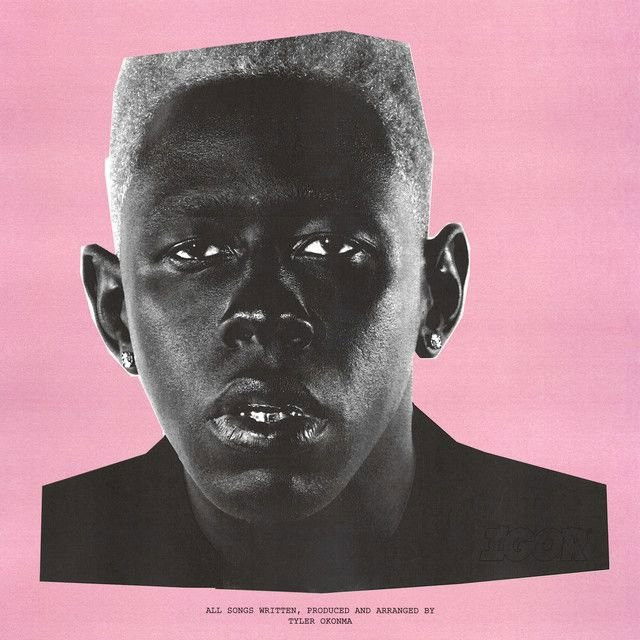
ARE WE STILL FRIENDS? by Tyler, the Creator
The meaning of ARE WE STILL FRIENDS? Tyler, the Creator comes down to one painful question: what happens when a deep bond changes, but one person is not ready to let it go?
"ARE WE STILL FRIENDS?" - Tyler, the Creator
Just dream
Long ago, long ago, long ago
Loading lyrics...
Unable to load lyrics
We're unable to display the lyrics at this time. Please try again later.
Released as the closing track on IGOR, the song lands like a final emotional aftershock. Tyler, the Creator built IGOR as a narrative album about love, jealousy, fantasy, and rejection, a point he emphasized around the album’s release and performances. In that context, this finale does not sound casual. It sounds like a last attempt to save some piece of a relationship before it disappears.
The Big Idea Hiding in a Simple Question
On the surface, the song asks one thing over and over: Are we still friends?
But the repetition changes its meaning. At first, it sounds polite, almost hopeful. After a while, it starts to feel like panic.
That is the key to the song. The speaker is not calmly checking in. They are trying to find out whether any version of closeness can survive. Even a handshake, a brief hello, or basic contact would be better than total silence.
Interpretation: this is less about friendship itself and more about bargaining after heartbreak. When romance or obsession cannot continue, friendship becomes the last available form of connection.

Watch the official ARE WE STILL FRIENDS?
music video
Where It Fits in Tyler’s Story
IGOR was released in 2019 and credited Tyler Okonma as its creator, with the album later winning Best Rap Album at the Grammys, despite Tyler himself discussing how limiting that label felt for his work. Those broad facts matter because IGOR moves like a breakup story told through changing moods, voices, and production styles.
As the final track, this song feels like the moment after the fighting and fantasy. The speaker no longer sounds proud. They sound exposed. That makes the ending powerful: instead of ending with closure, Tyler ends with uncertainty.
The user-supplied credits also note writing by Tyler Okonma and Al Green. That connection makes sense because the track pulls from a classic soul feeling, both musically and emotionally. It reaches for old-school warmth while describing a very modern emotional mess.
A Chorus That Begs Instead of Resolves
The hook keeps returning to Can we be friends?
and never fully settles the issue. That is what gives the song its tension. Most pop choruses create release. This one creates pressure.
The speaker sounds stuck between dignity and need. They want to appear reasonable, but the repeated asking reveals how badly they want reassurance. When they push toward simple social gestures, like being able to say hi, they are really asking whether the bond meant enough to leave something behind.
That is why the chorus hurts. It is not just a question. It is a refusal to accept the end.
The Most Telling Images in the Verses
A few short phrases deepen that reading. When the song warns Don't get green skin
, it likely points to jealousy, envy, or emotional poison. The speaker seems to be saying: do not let resentment fully take over.
Another phrase, keep contact
, strips the goal down to basics. They are no longer asking for passion or devotion. They are asking for continued presence.
Then the song turns stranger. Lines about falling, drained power, and being trapped in a matrix suggest emotional confusion. The person in the song seems disoriented, like they no longer understand the rules of the relationship. Their world changed, and they are still trying to catch up.
Interpretation: these surreal images show heartbreak as a loss of personal control. The speaker is not just sad. They feel mentally scrambled.
Why the Sound Feels So Dramatic
The production does a lot of the storytelling. The song opens with dreamy vocals, then grows bigger and more theatrical. The chords feel rich and soulful, almost lush enough for a love song from another era.
That matters because the arrangement makes a small question sound enormous. Tyler frames a private fear inside grand, emotional music. The result is almost cinematic: they are not just losing a relationship, they are watching a whole emotional season collapse.
The vocal style also helps. Rather than sounding cool or detached, Tyler sounds strained and open. That performance turns the repeated lines into pleas. By the end, especially around Can't say goodbye
, the song feels suspended between acceptance and denial.
More Than Friendship, Less Than Closure
One reason listeners keep returning to the track is its ambiguity. It can be heard in at least two strong ways:
- Literal reading: two people are drifting apart, and one person wants to preserve a real friendship.
- Interpretive reading: the speaker is using friendship as a softer word for feelings that are still romantic, possessive, or unresolved.
Both readings work because the song never sounds settled. Even when it uses the language of friendship, the emotional scale feels bigger than friendship alone.
That tension is central to the meaning of ARE WE STILL FRIENDS? Tyler, the Creator. The song captures a familiar but uncomfortable moment: when someone cannot keep the relationship they wanted, so they ask for the smallest version still available.
Why the Ending Lingers
The final effect of the song is not clarity. It is ache. The repeated question remains unanswered, and that is the point.
Tyler closes IGOR not with healing, but with emotional leftovers. The speaker wants proof that the connection was real enough to survive in some form. They cannot force love, and they know that. Still, they are not ready to disappear from the other person’s life.
That is why the song still lands so hard. It understands that endings are often messy, bargaining, and incomplete.
Disclaimer: This article offers interpretation based on the lyrics, performance, and album context. Tyler, the Creator has left room for listeners to find their own meaning in the song.








