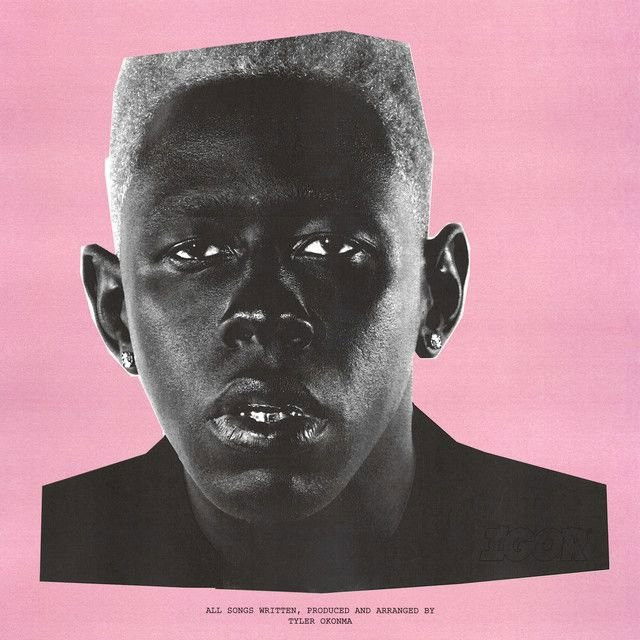
Why 'GONE, GONE / THANK YOU' Hits So Hard
The meaning of GONE, GONE / THANK YOU Tyler, the Creator comes down to a painful but mature idea: losing someone can break a person open, yet it can also teach them how to let go. On IGOR, Tyler turns messy feelings into a full story, and this track is one of the clearest emotional turning points on the album.
"GONE, GONE / THANK YOU" - Tyler, the Creator
Jump off the roof into the mirror
Felt like summer
Loading lyrics...
Unable to load lyrics
We're unable to display the lyrics at this time. Please try again later.
Released on IGOR in 2019, the song sits near the end of a record Tyler described as being driven by themes of love, jealousy, and emotional chaos. The album won Best Rap Album at the Grammys, though Tyler later pushed back on how it was categorized, noting its broader sound and influences. Those facts are widely documented in major coverage and awards listings.
A Breakup Song That Refuses One Emotion
At its core, the song is about accepting that a relationship is over. But Tyler does not present heartbreak as one clean feeling. They move through confusion, pride, blame, regret, and finally gratitude.
That emotional split is built right into the title. In the first half, the repeated idea of my love's gone
sounds stunned, like they are still trying to catch up to reality. In the second half, the song changes direction and says thank you instead of only mourning what was lost.
Interpretation: This is why the track feels bigger than a standard breakup song. It is not just about being left. It is about learning how to hold two truths at once: the relationship hurt them, and it still mattered.

Watch the official GONE, GONE / THANK YOU
music video
The Story Moves From Shock to Peace
The opening images feel disjointed on purpose. Tyler uses scars, mirrors, and mixed-up seasons to show a mind replaying the past in fragments. When they compare one person’s warmth to another season, the point is not literal weather. It is the mismatch between what they felt and what was actually happening.
Later, the writing becomes more direct. They admit they misread signs, rushed to conclusions, and helped create the collapse. A phrase like I brought this on me
matters because it shifts the song away from simple blame.
That honesty gives the song its weight. Tyler does not pretend they were only a victim. They suggest the breakup came from two people working from different blueprints
, wanting different futures, and failing to meet in the middle.
Three emotional stages in the song
- Disbelief: They cannot fully process the loss.
- Self-examination: They admit poor judgment and wasted potential.
- Release: They thank the person, even while swearing off love.
Why the Chorus Feels So Devastating
The hook is simple, but that is exactly why it lands. Repeating my love's gone
strips the feeling down to its most basic truth. There is no clever twist there, just emptiness.
Then Tyler adds another layer: maybe this pain feels unreal, like a dream they cannot wake from. That idea captures one of heartbreak’s strangest effects. A person can know something ended and still feel mentally stuck inside it.
Interpretation: The chorus works because it sounds both numb and obsessive. They are trying to move on, but the repetition proves they are not free yet.
The Images of Weather, Buildings, and Scars
One of Tyler’s strengths on IGOR is using odd, vivid symbols instead of plain explanation. Here, several motifs carry the song’s meaning.
Seasons and storms
The weather images suggest unstable emotions and false forecasting. They expect pain, prepare for pain, then realize they misunderstood what was coming. That makes heartbreak sound like a forecast they kept getting wrong.
Architecture and fences
When Tyler describes bridges, fences, and buildings being torn down, the relationship becomes a structure that never settled. It started with openness, then hardened into boundaries. This is one of the song’s sharpest ways of showing trust turning into distance.
Scars and Band-Aids
The line about the Band-Aid falling off points to delayed pain. Sometimes a person keeps going by covering the wound, but eventually that cover stops working. By the time Tyler says they are scarred for life
, the song suggests heartbreak does not disappear. It becomes part of who they are.
How the Sound Deepens the Meaning
The production is crucial to the meaning of GONE, GONE / THANK YOU Tyler, the Creator. Tyler, who produced much of IGOR, builds the track in two emotional colors.
The first section feels hazy and circular, with layered vocals and a soft groove that makes the sadness feel suspended in time. The second section opens up into something brighter and sweeter, almost like classic soul-pop. That lift does not erase the pain, but it reframes it.
This is where the songwriting credit to Tatsuro Yamashita also matters. The closing section draws from a smoother, warmer pop language, which helps the song feel thankful without becoming cheerful in a simple way. The result is bittersweet: the music rises just as the lyrics admit emotional defeat.
The Real Point of “Thank You”
The ending is what makes the song unforgettable. Tyler says thank you for the love
, but pairs that gratitude with a refusal to fall in love again. That tension is the whole song in miniature.
They are not saying the relationship was worthless. They are saying it gave joy, time, and insight, while also leaving damage. In other words, love can be meaningful and still be too painful to repeat.
Interpretation: The final section sounds like closure, but not perfect healing. It is more like a truce with the past.
Why This Song Matters on IGOR
Within the album’s story, this track feels like the moment where fantasy finally gives way to acceptance. Tyler stops trying to win, stops trying to compete, and starts facing what the connection really was.
That is why the song continues to resonate. It captures the strange maturity of saying goodbye without pretending the love meant nothing.
Disclaimer: This interpretation is based on the lyrics, the album’s context, and publicly known credits. Like all art, the song can support more than one valid reading.








