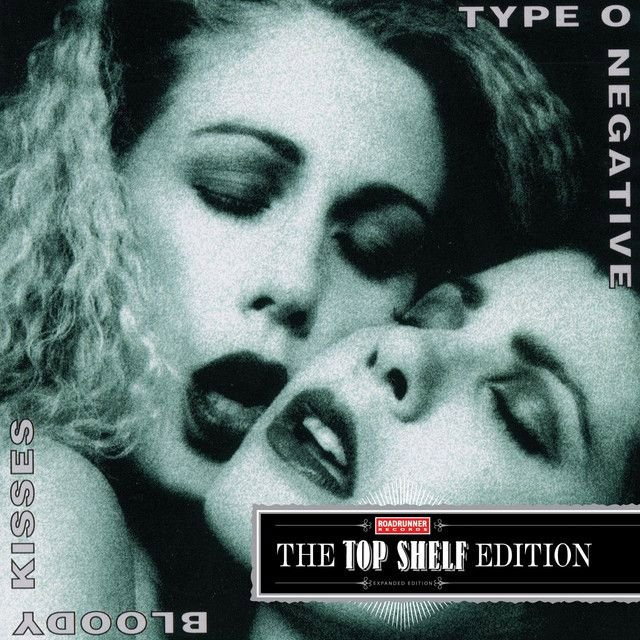
Black No. 1 by Type O Negative
Why This Goth Anthem Still Bites
The meaning of Black No. 1 Type O Negative starts with a joke, but it does not end there. On the surface, the song sketches a woman wrapped in goth fashion, horror movies, and Halloween energy. Under that surface, it becomes a sharp look at image, desire, and the strange pull of a relationship that feels exciting and empty at the same time.
"Black No. 1" - Type O Negative
She likes the dark.
On her milk white neck.
Loading lyrics...
Unable to load lyrics
We're unable to display the lyrics at this time. Please try again later.
Released on Bloody Kisses in 1993, the track became one of Type O Negative’s defining songs. According to Wikipedia, it was the band’s best-selling single and a regular on MTV’s Headbangers Ball. That success matters because the song’s mix of parody and sincerity helped define how many listeners first understood the band.
Watch the official Black No. 1
music video
The Core Idea: Attraction Mixed With Mockery
At its heart, the song describes a woman who seems fully committed to a dark, gothic persona. The narrator is clearly drawn to her, but he also sees the performance in it. Early details like in love with herself
and she likes the dark
suggest someone who is carefully building an identity around mystery and danger.
That is why the song feels both flirtatious and cutting. It enjoys the mood, the style, and the drama, yet it keeps hinting that this look may be more costume than truth. Interpretation: the tension is the point. The narrator wants her, but he also wants to expose the pose.
A Character Built From Horror and Style
The lyrics stack up images from monster movies and Halloween culture. References to Nosferatu, Lily Munster, pale skin, and eerie perfume turn the woman into a walking collage of goth symbols. When the song says Everyday is Halloween
, it is not just describing clothes. It is describing a person who lives inside a permanent aesthetic.
That image is funny, but not shallow. The song understands why this kind of self-styling can be powerful. Fashion can create armor. It can make pain look glamorous. It can turn loneliness into a scene.
Still, the song keeps its sarcasm sharp. The famous refrain about hair dye—Dye ’em black
and Black No. 1
—reduces the whole persona to a product on a store shelf. In other words, the track asks whether this darkness is deep feeling or just purchased identity.
Where the Romance Turns Cold
The song becomes more revealing when it moves from description to emotional cost. At first, the narrator sounds amused and obsessed. Later, he sounds drained.
Loving you
was like loving the dead
This is the emotional center of the song. After all the campy monster references, the final idea lands hard: the relationship feels lifeless. The woman may be visually vivid, but emotionally she is unreachable. Interpretation: the song is not attacking goth culture as a whole. It is describing one relationship in which style overwhelms intimacy.
That helps explain why the song lasts. Many listeners hear more than a joke about subculture. They hear a familiar story about being attracted to someone whose image is stronger than their ability to connect.
How the Sound Deepens the Meaning
Musically, “Black No. 1” turns this idea into atmosphere. The track is long, slow, and huge. Peter Steele’s deep voice gives the song a seductive, half-serious tone, while the guitars and keyboards create a cathedral-like gloom. The drums move with a heavy crawl rather than a fast attack, which makes the whole song feel theatrical.
Production details matter here. The song was recorded for Bloody Kisses, with Peter Steele and Josh Silver credited as producers. The arrangement also includes keyboard textures and even sitar, listed on the Type O Negative Wiki. Those touches make the song feel lush rather than raw, almost like a dark parody of a love ballad.
There are also playful musical nods to classic spooky TV themes, which underline that the band knows exactly how exaggerated this world is. The result is important: they do not simply mock goth imagery. They stage it, enjoy it, and then reveal its emptiness.
Peter Steele’s Voice Behind the Joke
Peter Steele wrote the song, and outside commentary has long framed it as sarcastic and loosely tied to a real relationship. A brief quote often repeated from Revolver says he wrote it in his head while working a sanitation job and waiting to dump waste. That origin story fits the song’s personality: grand gothic drama created from a very ordinary, even gross, real-life moment.
That contrast tells listeners a lot about Type O Negative. They often paired doom, romance, and black humor. “Black No. 1” may sound like a sincere goth anthem on first listen, but the band built it with a grin.
Why the Song Still Connects
Part of the reason the song still works is that it never settles into one simple message. It is catchy enough to function as a goth celebration. It is funny enough to work as satire. It is bitter enough to feel like a breakup song.
For some listeners, the woman in the song is a stereotype. For others, she is a symbol of any person who hides behind style, scene, or self-mythology. The song’s best insight is that performance can be attractive and lonely at once.
Final Take on the Song’s Meaning
The meaning of Black No. 1 Type O Negative is less about hair dye than about a romance with surface glamour and emotional distance. It paints a darkly comic portrait of someone who turns identity into costume, then shows how seductive that costume can be.
In the end, the song laughs at goth clichés, but it also understands why people reach for them. That double vision is why “Black No. 1” remains both a parody and a genuine anthem.
Disclaimer: This interpretation separates documented facts from critical reading. Like most songs, “Black No. 1” can support more than one meaning depending on the listener.







