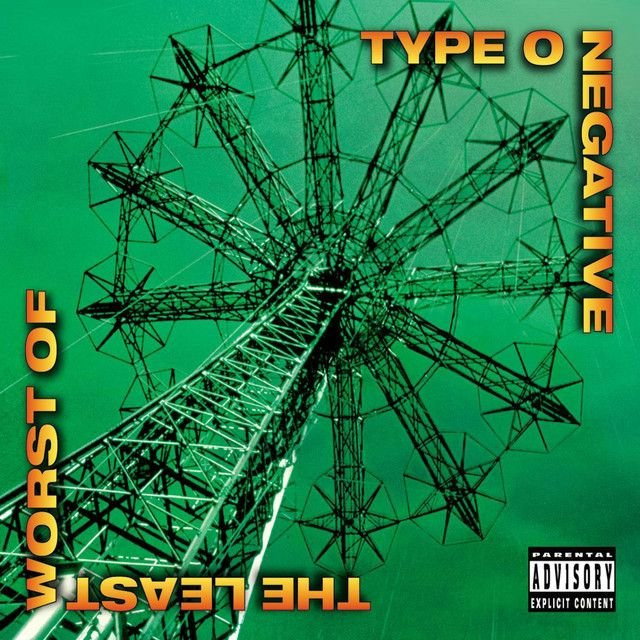
Christian Woman by Type O Negative
A taboo song with a clear target
The meaning of Christian Woman Type O Negative starts with conflict. The song stages a collision between Catholic imagery, sexual desire, shame, and punishment. Rather than presenting faith as calm or pure, Type O Negative turn it into a place where devotion and fantasy feed each other.
"Christian Woman" - Type O Negative
For she knows not what she does
A cross upon her bedroom wall
Loading lyrics...
Unable to load lyrics
We're unable to display the lyrics at this time. Please try again later.
Factually, “Christian Woman” appeared on Bloody Kisses in 1993 and was released as a single in 1994. It is widely seen as one of the songs that moved the band into the mainstream. Written by Peter Steele, it is also one of the clearest examples of how Type O Negative mixed gothic drama with black humor and provocation.

Watch the official Christian Woman
music video
What the lyrics are really doing
The song opens by framing the woman through pity and judgment. Early images like a cross upon her bedroom wall
place religion in a private, intimate room. That matters because the lyrics immediately connect faith to physical desire, suggesting that the symbols meant to guide her also become part of her fantasies.
This is not a love song in a normal sense. It is a study of obsession. The woman is drawn to holiness, but she experiences that pull through bodily longing. When the lyric says From grace she will fall
, it does more than predict sin. It sets up the main idea: she cannot keep the sacred and the erotic separate.
Guilt, punishment, and the appeal of transgression
A key theme is that guilt is not only painful for her; it may also intensify the desire. The song suggests she does not simply fear punishment. She may want it. That is why lines about sin and forgiveness are paired with images of kneeling, service, and suffering.
Interpretation: the song is not arguing that religion causes desire. It is showing a specific person whose belief system gives her desire a dramatic script. She understands lust through ideas like confession, shame, sacrifice, and hell. In that reading, her faith becomes the language of her erotic life.
The phrase Prefers punishment
is short, but it says a lot. It hints that guilt and pleasure are locked together. The woman may be trapped, but she may also be actively chasing the very taboo that hurts her.
Why “Corpus Christi” matters so much
The repeated Corpus Christi
is the song’s most important symbol. In Christian tradition, it refers to the body of Christ. Type O Negative use that sacred phrase in a way that is deliberately unsettling, because the woman’s spiritual hunger is described with erotic force.
She'd like to know GodLove GodFeel her GodInside of her
Paraphrased, the song presents her desire for spiritual union in physical terms. That is where the track gets its power and its controversy. The language of communion becomes the language of sex.
Interpretation: this is less about mocking belief than about exposing how extreme longing can blur categories. For this character, worship is not calm reverence. It is hunger.
The final twist in the narrator’s power
By the end, the song turns even stranger with Jesus Christ looks like me
. This line changes the whole frame. Up to that point, the song centers on the woman’s fantasy. Then the male figure seems to step into the role of Christ inside that fantasy.
There are at least two strong readings here:
- Blasphemous role-play: the singer takes on the image she desires, turning himself into a stand-in for the divine.
- Ego and projection: the woman remakes Christ in the image of her own desire, and the male narrator recognizes that.
Either way, the line is not subtle. It shows how completely religion and sexuality have fused in the song’s world.
How the music deepens the meaning
The sound matters as much as the words. Type O Negative build the track slowly, using a heavy gothic-metal base with deep bass, roomy drums, and a dark, theatrical vocal from Steele. The long album version runs nearly nine minutes, which gives the song space to feel ritualistic instead of rushed.
According to the song’s documented structure and credits summarized by the Type O Negative fandom archive, the track is split into sections, with Part II adding sitar and tambura and Part III using cowbells. That shift in texture helps the meaning. The middle section feels hypnotic and devotional, while the last section becomes almost absurd in its repetition, as if obsession has turned into a trance.
There is also a tension between sincere atmosphere and deliberate camp. That balance was central to Type O Negative. Their music often sounded huge and mournful, but Peter Steele also liked irony, exaggeration, and shock. That makes “Christian Woman” effective: listeners are never fully sure whether they are hearing confession, satire, seduction, or all three at once.
Artist context and why the song hit hard
In brief comments reported by Type O Negative Wiki and elsewhere, Steele said the song was inspired by a Roman Catholic woman he knew who enjoyed breaking religious rules. That context helps explain the song’s specific details. It was not built from abstract theology; it came from a personal, provocative scenario that Steele then amplified into gothic theater.
Reception matters too. “Christian Woman,” alongside “Black No. 1,” became a breakout song for the band because it wrapped controversy inside a memorable, moody arrangement. For some listeners, it was offensive. For others, it was funny, sensual, or psychologically sharp. The fact that it can support all those reactions is part of why it endured.
The lasting meaning of Christian Woman Type O Negative
The best way to understand the meaning of Christian Woman Type O Negative is to see it as a portrait of desire under pressure. It is about someone who cannot divide body from soul, pleasure from guilt, or worship from fantasy.
Interpretation: the song is not offering a balanced religious statement. It is dramatizing a taboo inner life. Its aim is discomfort, fascination, and excess.
That is why the track still stands out. It takes sacred language, erotic hunger, and gothic sound, then pushes them together until they become one disturbing image.
Disclaimer: This article offers informed interpretation based on lyrics, artist context, and available sources. Song meaning can remain open to different listener readings.








