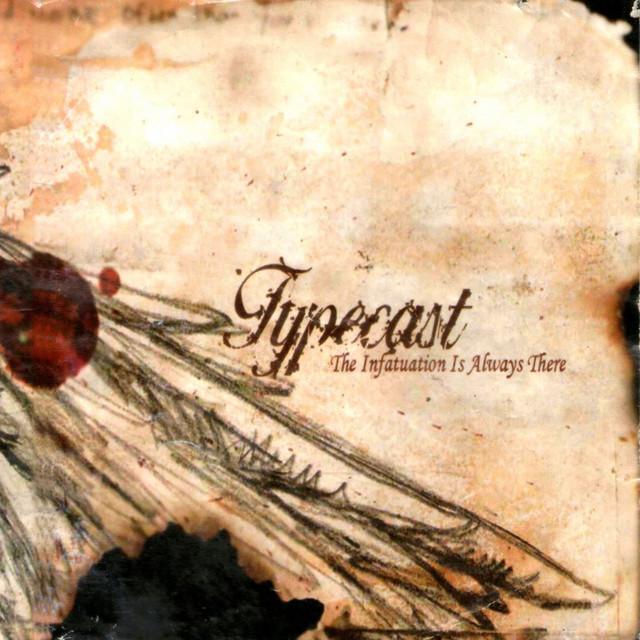
Wait by Typecast: Anger, Numbness, and Delay
The meaning of Wait Typecast comes through fast: this is a song about emotional exhaustion that has turned dangerous. Its speaker sounds trapped between grief, anger, and numbness, as if they have stayed in a painful situation until it started to hollow them out.
"Wait" - Typecast
Loading lyrics...
Unable to load lyrics
We're unable to display the lyrics at this time. Please try again later.
Even from the short lyric excerpt available, the song feels brutally direct. Instead of telling a detailed story, it gives fragments of a breakdown. That broken structure matters. It makes the listener hear not a clean explanation, but a mind under pressure.
A Portrait of Someone Running Out of Strength
At its core, “Wait” appears to describe a person who feels stripped of control. The opening idea, paraphrased, is that they have stopped trying to watch everything collapse around them. When the lyric uses gave up watching
and then moves into something being taken away from me
, it suggests loss that feels both personal and unstoppable.
That is the heart of the song’s emotional world: they are not just sad. They are depleted. The phrase this world is killing me
pushes the feeling beyond disappointment into total overwhelm.
Interpretation: The song may be about a damaged relationship, but it also works as a wider statement about burnout. The speaker sounds like someone crushed by life itself, not only by one person.
The Title Hides the Song’s Sharpest Idea
“Wait” is a simple title, but it may hold the whole message together. In the lyric, the speaker says they waited too long
. That changes the song from pure suffering into regret.
The pain here is not only what happened. It is also about delay—staying too long, forgiving too much, and realizing too late that patience has become self-damage. The next phrase, forgiving too much
, supports that idea.
This is why the title matters so much. Waiting usually sounds calm or hopeful. In this song, waiting looks like erosion.
Anger Becomes a Second Voice
The most striking turn in the lyric is the way anger starts to speak. Rather than just saying the speaker feels mad, the song gives anger its own force. The line about anger's telling me to bleed
is brief, but it turns emotion into command.
That is important because it shows the speaker losing distance from their own pain. Anger is no longer a passing feeling. It has become an inner voice pushing toward harm.
anger's telling me to bleed
anger's telling me to g
Because the final phrase cuts off, the thought feels unfinished and unstable. That fragment can sound like a lyric breaking apart in real time. Whether intentional or simply incomplete in the excerpt, it strengthens the sense of mental collapse.
Numb Eyes, No Way Home
Another key image comes in the line about the eyes being dead. When the song says my eyes are dead
, it suggests numbness rather than dramatic tears. The speaker may be past open grief and now stuck in a colder stage where nothing feels fully alive.
The phrase not taking me home
adds another layer. Home often means safety, peace, or emotional return. If the world is not taking them home, then nothing around them is leading back to comfort.
Interpretation: These images can be read in two ways:
- A relationship reading: they stayed loyal too long and lost themselves.
- A mental-health reading: they are trapped in burnout, anger, and alienation.
Both readings fit the available lines because the song stays general enough to carry both.
Why the Song Hits So Hard Sonically
Typecast are widely associated with emotionally charged rock and post-hardcore textures, a style built on tension, release, and confession. That matters for the meaning of Wait Typecast because lyrics like these are designed to be felt physically, not just understood on paper.
In this kind of song, distortion can mirror inner chaos. A strained vocal can sound like someone forcing truth out of themselves. Repetition—especially around a word like “anger”—can imitate obsessive thought.
Even without detailed production credits in the provided context, the writing strongly suggests a performance style where heaviness does interpretive work. The music likely amplifies the sense of suffocation, then gives brief flashes of release before closing back in.
What the Song Is Really Saying
Put simply, “Wait” seems to argue that delay has consequences. The speaker has tolerated too much, forgiven too much, and remained in a destructive space until anger and numbness took over.
That gives the song a tragic shape:
- first comes collapse,
- then loss,
- then numbness,
- then anger,
- then regret.
The lyric does not offer a neat recovery. Instead, it captures the moment when someone realizes how far gone they feel.
Final Take on the Meaning of Wait Typecast
The meaning of Wait Typecast lies in its picture of a person who has let pain sit too long inside them. The song turns waiting into a warning: patience can become self-erasure when it keeps someone in harm’s way.
That is why the track feels so intense. It is not only about sadness. It is about the point where sadness hardens into numbness, and numbness gives anger room to speak.
Disclaimer: This interpretation is based on the available lyric excerpt and publicly known artist context. Song meaning can remain open, and different listeners may hear different truths in it.








