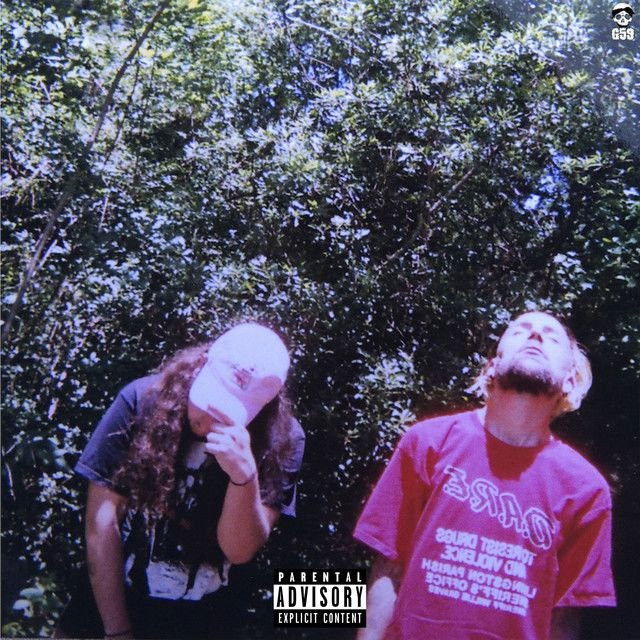
Why '$Outh $Ide $Uicide' Feels So Dangerous
The meaning of $Outh $Ide $Uicide $uicideboy$, Pouya starts with shock, but it lands on something deeper: a portrait of chaos used as armor.
"$Outh $Ide $Uicide" - $uicideboy$, Pouya
Provided by LyricFindOutside in an all black ride, tint rolled up when I'm high
Said they all wanna live, but I just wanna die
Mo-motherfucker, if you're looking for me, find me in the nightLoading...Loading lyrics...
Unable to load lyrics
We're unable to display the lyrics at this time. Please try again later.
A Breakthrough Built on Extremes
$uicideboy$ are the New Orleans duo of Ruby da Cherry and Scrim, and their early rise came through abrasive underground rap, self-produced beats, and lyrics about addiction, depression, and death. Their 2015 collaboration EP with Pouya, $outh $ide $uicide, is widely described as a breakthrough moment in that rise, helping push them further into the underground spotlight (Wikipedia).
That context matters when reading this song. It is not a calm diary entry. It is a pressure-cooker performance where pain, rage, and ego all get turned up past normal levels.
Watch the official $Outh $Ide $Uicide
music video
What the Song Is Really Saying
At its core, the song is about self-destruction as identity. The speakers present themselves as people moving through the world with no trust, no peace, and very little concern for consequences. Early on, one line sets the emotional center with just wanna die
. That is not the whole song, but it is the song’s darkest truth.
From there, the verses pile up violent threats, police imagery, drug use, and reckless motion. These details create a character who feels hunted and hardened at the same time. Interpretation: the song treats violence less as plot and more as emotional weather. It is the sound of minds trapped in panic, anger, and nihilism.
Night Ride, Death Wish, No Exit
The opening images matter because they feel cinematic. The song starts in a blacked-out car, moving through the night, cut off from normal life. That kind of setting turns the track into a tunnel vision story.
A few short phrases show how this works: all black ride
, find me in the night
, and blue lights mounted
. Together, they build a world of darkness, surveillance, and pursuit. They are not random flexes. They suggest a life lived in conflict, whether with the law, enemies, or the self.
Violence as a Mask
Much of the song uses horrorcore exaggeration. There are threats, weapons, and body imagery throughout. Interpretation: these lines can be heard as a mask for fear and powerlessness. When the narrators sound monstrous, they also sound deeply unstable.
That is why the death imagery feels so important. The speakers do not just threaten others; they also circle back to harming themselves. The song keeps folding outward aggression back into inward collapse.
What Pouya Changes in the Second Half
Pouya’s verse widens the meaning. Instead of staying only with death-drive and street terror, he brings in status, anxiety, and industry distrust. He talks about rivals, fake money talk, and the pressure of success.
One revealing line is I got anxiety
. In a song full of intimidation, that admission cuts through. It makes his verse feel less like simple bragging and more like a picture of someone who has won attention but not peace.
He also frames independence as survival. When he pushes labels away and defends his space, the song’s worldview sharpens: they trust their circle, not outside systems. That includes the music business, strangers, and authority.
The Hook Turns Pain Into a Threat
The chorus is blunt, repetitive, and ugly on purpose. It works like a chant rather than a detailed statement. That is why it sticks.
$outh $ide $uicide
kill yourself, ho
Paraphrased, the hook turns despair into confrontation. Instead of asking for sympathy, it weaponizes hopelessness. Interpretation: that is part of why the track felt so explosive in underground rap. It takes real despair and stages it as menace.
Sound First, Meaning Second
The production is essential to the meaning of $Outh $Ide $Uicide $uicideboy$, Pouya. Scrim is known for self-produced work and helped define the duo’s early sound with harsh, minimal, low-end-heavy beats (Wikipedia). Here, the instrumental leaves a lot of cold space around the voices.
That space matters. It makes every threat sound closer. The beat does not soften the lyrics; it traps them in a claustrophobic loop. The delivery is equally important: snarled, clipped, and almost breathless. The performances make the track feel like adrenaline mixed with dread.
Why the Song Connected Anyway
$uicideboy$ have often framed their darker music as a form of connection and therapy; Scrim has said people may hear it as negative, but for them it is about connecting through pain (Wikipedia). That idea helps explain why a song this extreme found such a large audience.
Listeners did not just hear shock. They heard exaggeration carrying real feelings: depression, alienation, class anger, addiction, and distrust of authority. Even the ugliest lines are trying to communicate emotional overload.
That does not make the song gentle or safe. It is intentionally abrasive. But its appeal comes from how directly it stages thoughts many artists would clean up or hide.
Final Read on the Track
So what is the meaning of $Outh $Ide $Uicide $uicideboy$, Pouya? Most clearly, it is a song about people who feel so cornered by pain, rage, and pressure that they turn that damage into a public persona. The persona is cruel, theatrical, and self-destructive by design.
Interpretation: beneath the threats and gore, the song is less about domination than collapse. It is what happens when despair stops asking for help and starts daring the world to look away.
Disclaimer: This interpretation is based on the released song, artist context, and public reporting. Meaning can vary from listener to listener and may go beyond any single reading.








