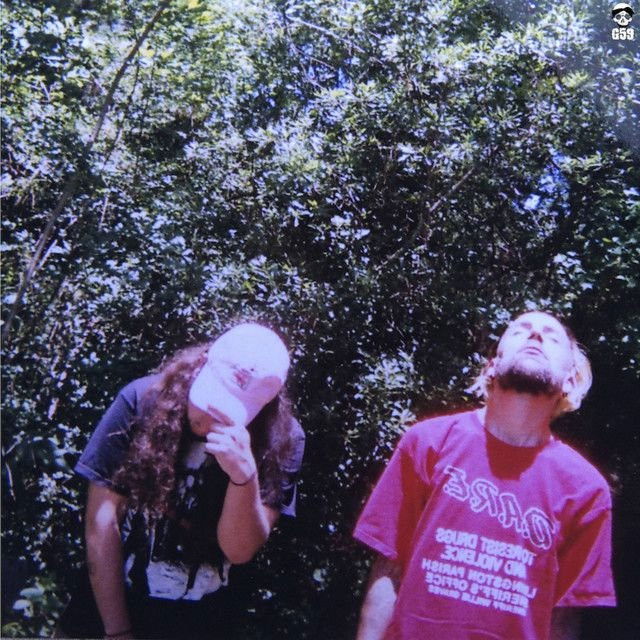
Sunshine by $uicideboy$
The meaning of Sunshine $uicideboy$ is deeply ironic. Despite its bright title, the song sounds dark, sick, and spiritually worn out. Rather than offering warmth or hope, it presents a world where death jokes, drug haze, and violent fantasy all blur together.
"Sunshine" - $uicideboy$
Murder, murder, mo' murder, mo' murder
Murder, mo' murder, mo' murder
Loading lyrics...
Unable to load lyrics
We're unable to display the lyrics at this time. Please try again later.
That contrast is the key to understanding it. In typical $uicideboy$ fashion, they use extreme language not to celebrate peace or success, but to show a mind stuck in decay. The title feels almost sarcastic, as if “sunshine” is what remains after the soul has gone numb.
The Bright Title Hides a Rotten Interior
At its core, the song is about emotional deadness. The speaker moves through images of killing, drug use, boredom, and spiritual confusion as if none of it shocks them anymore. That numbness matters more than the literal violence.
When the track opens with the repeated word Murder
, it works like a blunt alarm. It sets a mood of obsession and overload. The repetition feels less like storytelling and more like a mind trapped in one ugly loop.
Interpretation: the song is not just describing crime. It is dramatizing a mental state where destruction has become ordinary. In that sense, “sunshine” may be the fake label placed over a life that feels poisoned underneath.

Watch the official Sunshine
music video
A Voice Built From Shock, Pain, and Persona
$uicideboy$ often rap through altered identities, horror-core images, and dark humor. In “Sunshine,” that approach is strong from the start. One voice introduces a character as the butcher creepin'
, which turns the verse into a grotesque self-portrait.
This matters because the song is not written like a diary entry. It is written like a performance of inner rot. The exaggeration helps them express despair, addiction, and alienation in a way that feels larger than life.
The line about being a junkie since I was a child
shifts the song from cartoon violence to something more personal. Even in a track full of shock imagery, addiction lands as one of the real emotional anchors. It suggests a long history of damage, not just a passing bad habit.
How the Verses Connect to the Main Theme
The first verse builds a mask of cruelty. Bodies disappear, ashes become smoke, and police questions are brushed aside. The details are graphic, but the point is the speaker’s total lack of moral reaction. Everything is flattened into another casual image.
That is why the line keepin' it mild
stands out. After saying something extreme, the speaker downplays it. This creates a dark joke, but it also reveals detachment. If horror feels mild, their emotional scale is broken.
The second half of the song becomes quieter and stranger. Instead of pure aggression, there is blank staring, smoking to waste time, and religious imagery colliding with exhaustion. The mention of Christ has risen
does not sound comforting. It sounds disconnected, as if sacred language has become just another fragment passing through a tired mind.
Here, the song shifts from threat to emptiness. They are no longer only acting monstrous; they are also bored, damaged, and spiritually lost.
The Hook as a Mental Loop
The repeated hook is simple and ugly by design. It does not develop the story. It traps it. By returning again and again to Murder
, the track creates a circular feeling, like an intrusive thought they cannot shut off.
Interpretation: this repetition may reflect how trauma, addiction, or depression can reduce thought to one overwhelming impulse. The hook gives the song its psychological shape. It keeps the listener inside compulsion rather than resolution.
Symbols of Decay, Faith, and Self-Destruction
Several images do most of the meaning-making:
- Windows and television: These suggest distance and passivity. The speaker watches life instead of living it.
- Smoking and blackened lungs: These images point to self-harm by routine, not dramatic tragedy.
- Crucifixes and resurrection: Religious symbols appear, but they do not restore order. They heighten the feeling of guilt and spiritual fracture.
- Cars, ashes, acid, and bodies: These are classic underground rap and horror-core props, but here they also symbolize a wish to erase consequences.
Taken together, these symbols turn the song into a portrait of someone trying to out-smoke, out-joke, and out-threaten their own despair.
How the Sound Carries the Meaning
The production style associated with early $uicideboy$ leans on murky low end, eerie loops, and a lo-fi, claustrophobic mix, as heard across their early releases. That sonic dirt matters. “Sunshine” does not sound polished or open; it sounds boxed in.
The beat gives space for the vocals to feel unstable. The repeated chant at the start is mechanical, while the verse delivery swings between menace and fatigue. That contrast supports the song’s central idea: beneath the threats, there is burnout.
Artist context helps too. Ruby da Cherry and $crim built much of their reputation on turning addiction, depression, and Southern rap darkness into extreme, theatrical songs, a path covered by Rolling Stone. “Sunshine” fits that larger pattern. It is not an outlier; it is a concentrated example of their early bleak style.
One Short Passage That Sums It Up
The song’s emotional split shows up clearly here:
I'm staring at the window like
I'm staring at the television
Smoking just to pass the time
This moment strips away the murder fantasy and reveals the emptiness underneath it. They are not rushing toward glory. They are stalled out, dissociated, and trying to kill time because time feels unbearable.
Final Take on the Song’s Meaning
The meaning of Sunshine $uicideboy$ is not happiness hidden inside darkness. It is the opposite: a sunny title laid over a mind full of death imagery, addiction, boredom, and spiritual confusion. The song uses shock to show numbness.
Interpretation: its real subject may be what happens when a person lives so long with pain that even horror starts to feel routine. In that reading, “sunshine” is bitter irony, not relief.
As always with $uicideboy$, listeners may hear different layers in the exaggeration, persona, and symbolism. This article offers an interpretation, not a confirmed statement of artist intent.









