What “Ulvsblakk” by Ulver Seems to Summon
Ulver have always worked in symbols, atmosphere, and old-world mystery, and “Ulvsblakk” is one of their starkest examples. For listeners searching for the meaning of Ulvsblakk Ulver, the song does not offer a tidy story. Instead, it creates a ritual space built from repetition, vision, time, and a dark presence that may be literal, mythic, or psychological.
"Ulvsblakk" - Ulver
Kan do se at sola
Ulvsblakk
Loading lyrics...
Unable to load lyrics
We're unable to display the lyrics at this time. Please try again later.
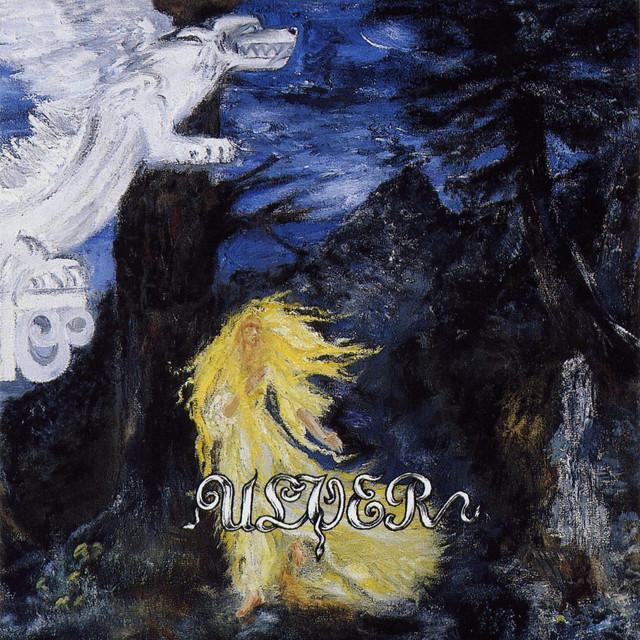
The track comes from Ulver’s early black metal period, when the Norwegian band blended extreme music with folklore and poetic language. On their 1995 album Bergtatt, Ulver used acoustic passages, harsh vocals, and mythic imagery to build a haunted landscape. “Ulvsblakk” fits that world perfectly.
A Song About Sight, Omen, and Presence
At the center of the song is a challenge about perception. The repeated question Har do synen
can be understood as asking whether someone has the sight, or the ability to truly perceive what is hidden. That matters because the next image points upward, toward light and revelation, with Kan do se at sola
. In simple terms, the song asks whether the listener can see what is really there.
Interpretation: This makes “Ulvsblakk” feel like a test. The speaker is not explaining the world; they are separating those who can see from those who cannot. The meaning of Ulvsblakk Ulver may therefore rest on spiritual vision rather than plot.
The title phrase Ulvsblakk
repeats like an invocation. Even without a full literal explanation, the word feels important as a name, force, or state of being. Repetition gives it weight. Instead of moving the song forward in a normal narrative way, Ulver make the word itself become the event.
Watch the official Ulvsblakk
music video
Why Repetition Matters More Than Story
Many songs tell listeners what happened. “Ulvsblakk” does something more primal. It circles a few ideas until they feel charged.
Three recurring elements shape that effect:
- vision or second sight
- the sun as a sign of truth or cosmic order
- a looming presence tied to darkness and time
When the song returns to the same words, it feels less like a verse-chorus confession and more like a chant. That style is common in music meant to create trance, dread, or awe. Ulver use language sparingly, which makes each phrase feel heavier.
The Shift Toward Time and Evil
Late in the lyric, the song introduces Tida
, or time. This single word changes the frame. What first felt like a question about sight also becomes a question about fate, waiting, and larger cycles.
Then comes the stark line Stemmen har Djevelen
, which points to the Devil having the voice, or speaking through what is heard. That does not have to mean a simple Satanic statement. In black metal, devil imagery often works as a symbol for inversion, forbidden knowledge, fear, or rebellion against ordinary religious order.
The Most Likely Meanings Behind “Ulvsblakk”
Because the lyric is short, the song supports more than one reading. The strongest interpretations are these.
1. A ritual of awakening
One reading is that the speaker is summoning hidden sight. The repeated question asks whether a person can perceive what lies beyond the obvious world. Under this reading, “Ulvsblakk” names the force that arrives when that vision opens.
2. A portrait of encroaching darkness
Another reading is more ominous. The song may describe a dark power moving closer, hinted at by the closing idea Ulvsblakk er med
, or “Ulvsblakk is with.” That gives the title a sense of presence, almost like a spirit has entered the scene.
3. A black metal version of folklore dread
Ulver often drew from Norwegian nature, myth, and mood in their early work, including on their debut album. In that context, “Ulvsblakk” can be heard as a folk-horror fragment: a warning, a vision, and a visitation compressed into a few lines.
How the Sound Carries the Meaning
The meaning of Ulvsblakk Ulver is not only in the words. It is also in the sound. Ulver’s early style mixed shrieked vocals, raw guitar tones, and sudden atmosphere. That production choice matters because the music makes the lyric feel older and stranger than plain text on a page.
The guitars usually function less as riff display and more as weather. They create pressure and blur, while the vocals sound distant and urgent at once. When the words repeat, the performance makes them feel obsessive, as if the singer is trying to force a doorway open.
This is why the song can feel larger than its lyric sheet. The sparse text leaves room for texture to do the storytelling. Harshness becomes meaning. Echo becomes meaning. Even the laugh in the lyric adds to the sense that the listener has crossed into unstable territory.
Why the Song Still Feels Powerful
“Ulvsblakk” endures because it trusts suggestion over explanation. It does not flatten its symbols into a message anyone can solve in one listen. Instead, it makes listeners sit with uncertainty.
That is often the real power of early Ulver. They were not just writing songs; they were building moods where folklore, anti-structure, and spiritual unease could coexist. In “Ulvsblakk,” a handful of words open a large emotional field: fear, wonder, initiation, and surrender before something ancient.
Final Take on the Meaning
The best way to understand the meaning of Ulvsblakk Ulver is to hear it as an invocation of hidden sight and dark presence. Its images of seeing, time, and the Devil suggest a threshold moment where a person senses forces beyond everyday life.
Interpretation: Whether Ulvsblakk is a being, a condition, or a symbol matters less than the feeling it creates. The song is about entering a realm where vision deepens and certainty disappears.
Disclaimer: This interpretation is based on the available lyrics, known Ulver context, and the song’s musical style. As with much atmospheric and symbolic music, other readings are possible.







