
Why 'Lullaby' Feels So Tender and So Sad
The meaning of Lullaby UMI, Yeek centers on a hard kind of love: caring deeply for someone who is clearly hurting, while also feeling shut out by them. The song is soft and calm on the surface, but its message is not simple comfort. It is about trying to reach a person who hides their pain, especially at night, when emotions become harder to avoid.
"Lullaby" - UMI, Yeek
Know when you feel it, you feel it at night
Why won't you let me in?
Loading lyrics...
Unable to load lyrics
We're unable to display the lyrics at this time. Please try again later.
UMI and Yeek build that idea through plainspoken lines and a sleepy, intimate mood. Instead of dramatic conflict, they focus on a familiar emotional tension: one person wants closeness, while the other cannot quite let them in.
A Love Song About Emotional Distance
At the start, the singer recognizes the other person’s pain and sees that it becomes strongest after dark. When they ask why the person will not let me in
, the question is not just about physical closeness. It points to emotional access, trust, and honesty.
That matters because the song never suggests the hurt person is uncaring. Instead, they seem overwhelmed. The singer understands that there is something deeper going on, but they still feel the sting of being kept outside.
Interpretation: This is what gives the song its ache. It is not about a breakup or betrayal. It is about the loneliness of loving someone who cannot fully share what they feel.
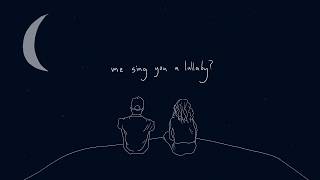
Watch the official Lullaby
music video
The Chorus Turns Comfort Into a Plea
The key image is simple: sing you a lullaby
. Before and after that phrase, the song makes clear that the singer wants to soothe the other person and create enough safety for them to open up.
A lullaby is usually tied to sleep, peace, and care. Here, it becomes an emotional offering. The singer is not trying to fix everything with logic. They are saying, in effect, that if words fail, maybe tenderness can succeed.
That is why the chorus lands so strongly. The song frames comfort as a bridge to intimacy. The hope is that calmness might make honesty possible, even if only tonight
.
Why Communication Is the Real Problem
One of the song’s smartest details is the admission that the singer does not know how to say what they mean. They describe making a playlist because direct language feels difficult, and they joke that if love were taught in school, they could not major in communication.
That line gives the track a modern, relatable touch. It shows someone trying to express care through gestures, curation, and mood rather than perfect speech. In other words, they are trying to love well, even though they are not fluent in emotional language.
Small Gestures, Big Feelings
The song keeps returning to indirect forms of care. A playlist. A lullaby. A bouquet. These are all gentle offerings. None of them force the other person to respond, but each one says, "They are here, and they are trying."
When the lyrics mention bought a bouquet
, the gift feels sweet but also a little desperate. Flowers are a classic sign of affection, yet they cannot solve inner pain. That contrast gives the ending extra sadness.
Nighttime as a Symbol of Vulnerability
Night is important in this song. The other person feels their emotions most strongly when it is time to sleep. During the day, they may be able to stay numb, distracted, or controlled. At night, that protection fades.
This is a common emotional truth, and the song captures it well. Silence and darkness often bring hidden feelings to the surface. That is why the lullaby image fits so naturally: it meets the person in the exact moment when their guard is weakest.
Interpretation: Night here symbolizes emotional exposure. The singer is not just offering comfort in general. They are trying to be present when the other person is most fragile.
How the Sound Carries the Message
Even without heavy production details provided in the song credits here, the performance suggests a mellow blend of R&B, indie-pop, and bedroom-pop softness. The arrangement feels airy and unforced, which matches the song’s emotional approach.
The vocals matter a lot. Instead of sounding dramatic or demanding, they feel close and conversational. That choice supports the lyric’s caring posture. A harsher or bigger delivery would have changed the song completely.
The repetition also does important work. As the bouquet lines return, the song starts to feel like a loop of concern the singer cannot escape. They want the other person to heal, but love alone may not be enough to make that happen.
A Gentle Song With a Frustrated Edge
What makes "Lullaby" more interesting than a simple comfort song is that it contains both patience and strain. The singer is kind, but they are also asking for something back. They want openness. They want to understand. They want the other person to try to be okay
.
That last idea is especially complex. On one hand, it sounds caring. On the other, it hints at the limits of caregiving. No matter how loving they are, they cannot do the healing for someone else.
So the song sits in a painful middle space:
- They see the hurt clearly.
- They want to help.
- They do not know the right words.
- They cannot force emotional honesty.
That is likely why the track connects so easily with listeners. Many people know what it feels like to support someone who is struggling while secretly wishing that person would meet them halfway.
The Lasting Meaning of "Lullaby"
The meaning of Lullaby UMI, Yeek is ultimately about care offered at the edge of helplessness. It shows how love can sound soft while carrying real sadness underneath.
UMI and Yeek present comfort not as a cure, but as an invitation. The song says that sometimes the best they can do is stay close, make something gentle, and hope the hurting person finally feels safe enough to open up.
Disclaimer: This interpretation is based on the song’s lyrics and performance and should be read as informed analysis, not confirmed artist intent.








