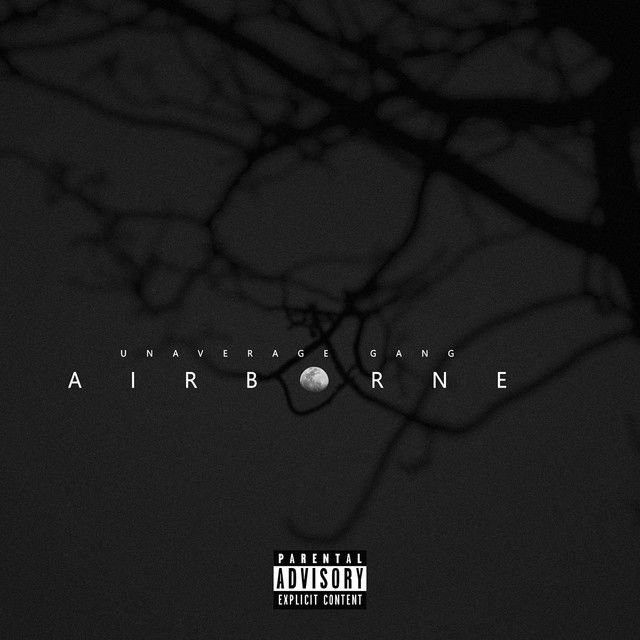
What "Airborne" Really Says About Power
The meaning of Airborne Unaverage Gang, Schizo, Tvbuu, Jerome The Prince centers on domination, paranoia, and emotional overload. On the surface, the track sounds like a pure attack record: hard threats, gang unity, and relentless flexing. Under that surface, though, it also hints at a mind under pressure, where fear, rage, and pride blend together.
"Airborne" - Unaverage Gang, Schizo, Tvbuu, Jerome The Prince
UAV inside blood my veins are ice cold
Underground legends yea you mothafuckas know
Loading lyrics...
Unable to load lyrics
We're unable to display the lyrics at this time. Please try again later.
This matters because the song is not built like a simple victory anthem. Its speakers do not just boast. They sound hunted, defensive, and trapped inside the image they are performing. That tension gives the track its bite.
A Dark Anthem of Control and Chaos
At its core, “Airborne” is about trying to stay untouchable in a hostile world. The rappers present themselves as cold, armed, and impossible to intimidate. Early lines like ice cold
and breed is different
establish that persona fast. They are framing themselves as outside normal rules.
But the song keeps pushing beyond standard tough talk. One of its key ideas is that violence is not only physical here; it is psychological. The lyrics describe distrust, revenge, and a constant sense that weakness will be punished. In that light, the aggression feels like armor.
Interpretation: the song’s threats can be heard as a way of protecting a fragile inner state. The tougher they sound, the more the track suggests pressure underneath.

Watch the official Airborne
music video
The Most Revealing Lines Are the Conflicted Ones
The clearest emotional clue comes when the song shifts from pure menace into self-description. One verse says the mind is fighting with itself
. That is a major pivot. Instead of only attacking enemies, the speaker admits that the real battle may also be internal.
That line helps explain why the song feels so extreme. The hatred aimed outward may come from inward unrest. Another important passage describes friends who would rather see someone fail than succeed. That adds betrayal to the song’s worldview. They do not trust rivals, institutions, or even people close to them.
“my mind is always fighting with itself and it's never letting up”
This is the article’s strongest piece of evidence for a deeper reading. The music still works as horrorcore-style intimidation, but this moment turns the performance into something more personal.
Why the Gang Persona Matters
The artists do not speak as isolated individuals for long. Again and again, they return to the idea of the crew, the clique, the gang. That collective identity gives the song much of its force. It turns personal anger into group mythology.
When they say enemies can fade away
, the threat comes from shared action, not just solo rage. The group becomes a shield and a weapon at once. That is common in darker underground rap styles, where belonging can sound like survival.
Interpretation: the posse dynamic may also reduce vulnerability. Speaking as “we” is safer than speaking as “I,” especially in a song filled with fear of betrayal.
Religious Attacks as Rebellion, Not Theology
One of the most striking sections takes aim at religion. The lyrics do this in a shocking, confrontational way, but the larger purpose seems less like a detailed spiritual argument and more like an act of refusal. The speakers reject outside judgment, inherited rules, and any promise of moral order.
That matters because the song keeps insisting the world is broken. If the world is cruel, then faith, scripture, and social values can sound hollow to these narrators. Their answer is not healing. It is defiance.
This choice also fits horrorcore and dark trap traditions, where blasphemous imagery is often used to intensify alienation and menace rather than to make a careful religious case.
How the Sound Supports the Meaning
Production is a huge part of why “Airborne” lands so hard. Even without full verified session details, the writing itself points to a style built for tension: heavy bass, ominous space, and sharp rhythmic delivery. The beat likely leaves room for each voice to hit with maximum force, while the flows stay clipped and percussive.
That sound design matters to the meaning of Airborne Unaverage Gang, Schizo, Tvbuu, Jerome The Prince. The instrumental atmosphere would not simply decorate the lyrics; it would make the song feel like a stalking presence. The dark mix, rapid switches in voice energy, and punch-in style threats all reinforce instability.
Jerome The Prince’s verse is especially important here. His close brings a more punchline-driven confidence, including lines like all business
. That keeps the track from sinking fully into chaos. Instead, it ends with swagger, as if the group can turn madness into discipline.
A Story of Escalation
Even without a detailed plot, the song moves in stages:
- It opens by establishing coldness, status, and readiness.
- It shifts into psychological strain and distrust.
- It escalates into revenge and anti-authority language.
- It ends in full dominance mode, with the crew sounding unified and unstoppable.
That structure is smart. It keeps the song from feeling flat. Each rapper adds another layer: threat, instability, rebellion, then victory-lap bravado.
Final Take on "Airborne"
So, what is “Airborne” about? It is about more than violence. It is about turning fear into power, turning inner conflict into an image of invincibility, and turning group identity into emotional survival. Its harshest moments are meant to shock, but its most interesting moments reveal stress beneath the pose.
For listeners drawn to dark underground rap, that is why the song works. It sounds fearless, yet it keeps hinting that fear is what made the armor necessary in the first place.
Disclaimer: This interpretation is based on the lyrics provided and common genre context. Song meaning can vary by listener, and only the artists know their full intent.









