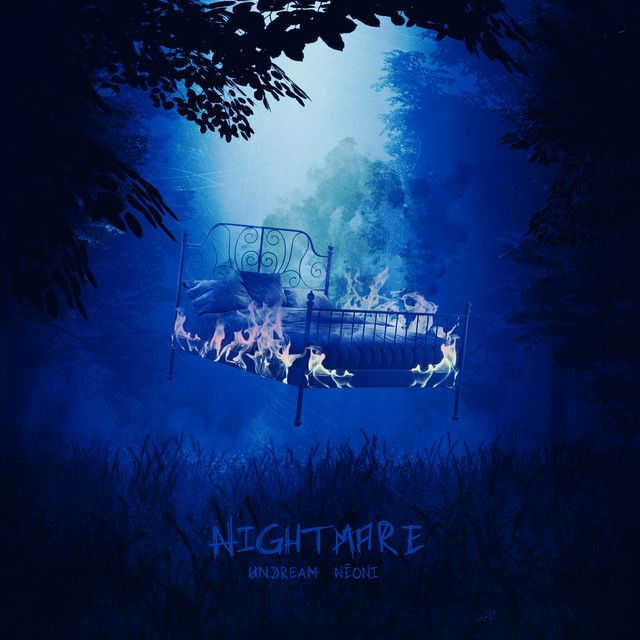
Why 'Nightmare' Turns Fear Into Pop Horror
The meaning of Nightmare UNDREAM, Neoni starts with a simple but powerful idea: the song uses the language of childhood terror to describe the fears people carry into adult life. Released on February 5, 2021, the track is an UNDREAM song featuring Neoni, according to the Neoni Wiki entry on the song. That framing matters because the song never sounds like a random haunted-house story. It sounds personal, emotional, and very human.
"Nightmare" - UNDREAM, Neoni
Verse
Chest is rising yeah I’m counting my breaths
Loading lyrics...
Unable to load lyrics
We're unable to display the lyrics at this time. Please try again later.
A Childhood Room Becomes an Adult Mind
At its core, “Nightmare” is about feeling trapped inside fear. The lyrics describe a person lying awake, counting breaths, listening to inner panic, and trying to survive the night. Early lines like counting my breaths
and songs in my head
suggest anxiety rather than a literal monster attack. They present fear as something physical and mental at the same time.
That reading is strongly supported by artist context. On the song’s theme page, Neoni explained that “Nightmare” is set in a childhood bedroom, where shadows once felt alive. They then connect those old fears to adult problems such as stress, loneliness, anxiety, depression, relationships, and work. In other words, the song argues that the monsters do not disappear; they just change names.
Watch the official Nightmare
music video
The Chorus Turns Prayer Into Panic
The chorus is the emotional center of the song. It borrows from a familiar bedtime prayer, then twists that gentle ritual into something desperate. Instead of sounding safe, the prayer sounds like a plea from someone who no longer feels protected.
Now I lay me down to sleep
Hope someone’s watching over me
Pray the Lord my soul to keep
This is the article’s only extended lyric quote, and it shows how the song works. The words come from a place usually linked to comfort, but here they sit beside living in a nightmare
. That contrast is the point. Interpretation: the singer is not only afraid of the dark; they are afraid that comfort itself may not be enough.
The line Is there anybody out there
pushes the chorus further. It makes the song feel less like a private diary entry and more like a cry for help. They are not just naming fear. They are asking whether anyone can hear it.
Monsters, Skeletons, and Shadows All Mean More
The imagery is easy to picture, which helps explain why the song connects quickly. There are monsters under the bed, skeletons in the closet, and shadows in the mind. None of those images are new on their own, but the song combines them in a way that feels modern and emotional.
Here is how the main symbols work:
monsters underneath my bed
: old fears that still feel presentskeletons in my closet
: buried problems or painful memories- shadows in the mind: intrusive thoughts and emotional uncertainty
- the bedroom setting: a place that should feel safe, but does not
Interpretation: the song suggests fear becomes strongest when it invades places tied to rest, innocence, and privacy. That is why the bedroom image matters so much. It is where a child expects safety, and where an anxious mind may feel most alone.
Small Details Make the Anxiety Feel Real
One of the smartest parts of the writing is how it moves between playful and frightening details. The counting pattern and the musical phrase tied to inner demons create an eerie contrast. Those touches make panic feel almost routine, as if fear has learned the rhythms of everyday life.
The phrase making friends with the monsters
is especially telling. It implies survival through adaptation. If fear will not leave, they may try to live alongside it. That is a sad idea, but also a realistic one. Many people do not defeat anxiety in one dramatic moment. They manage it, negotiate with it, and try to make it through the night.
How the Sound Supports the Meaning
Even without deep production credits available in the provided sources, the track’s style helps carry its message. UNDREAM’s dark electronic approach and Neoni’s dramatic vocal delivery give the song a polished pop-horror feel. The beat feels tense rather than comforting, and the chorus opens up in a way that sounds cinematic but not freeing.
That matters for the meaning of Nightmare UNDREAM, Neoni because the production mirrors the lyrics’ conflict. The song is catchy, but it never fully relaxes. The hooks pull listeners in while the dark textures keep them on edge. Interpretation: that balance reflects how anxiety can be highly familiar and still feel threatening every time it returns.
Why the Song Resonates
“Nightmare” works because it is both specific and broad. Its images are vivid enough to remember, but its message is flexible enough for different listeners. Some may hear it as a song about panic attacks. Others may connect it to depression, insomnia, trauma, or the pressure of modern life.
Neoni’s own explanation supports that broader reading. They said the “monsters” of childhood return in different forms as people grow older. That makes the song less about literal fear and more about how unresolved emotion follows people into adulthood.
Final Take on the Song’s Message
In the end, “Nightmare” is about what happens when inner fear feels bigger than the room around them. It uses familiar horror symbols to describe emotional distress in a clear, accessible way. The result is a song that sounds spooky on the surface but cuts closer to anxiety, loneliness, and the wish to feel safe again.
That is the lasting power of the track: it takes a child’s nightmare and reveals the adult truth inside it.
Disclaimer: This interpretation is based on the lyrics, artist commentary, and the song’s musical presentation. As with any song, listeners may hear different meanings in it.









