Why 'Geboren um zu leben' Still Hits Hard
The meaning of Geboren um zu leben Unheilig comes down to a simple but powerful idea: loss can break a person open, but it can also teach them how precious life really is. Unheilig’s hit does not hide its grief. Instead, it turns mourning into a promise to remember, endure, and keep moving forward.
"Geboren um zu leben" - Unheilig
Ohne dich zu leben
Jeden Tag zu jeder Zeit
Loading lyrics...
Unable to load lyrics
We're unable to display the lyrics at this time. Please try again later.
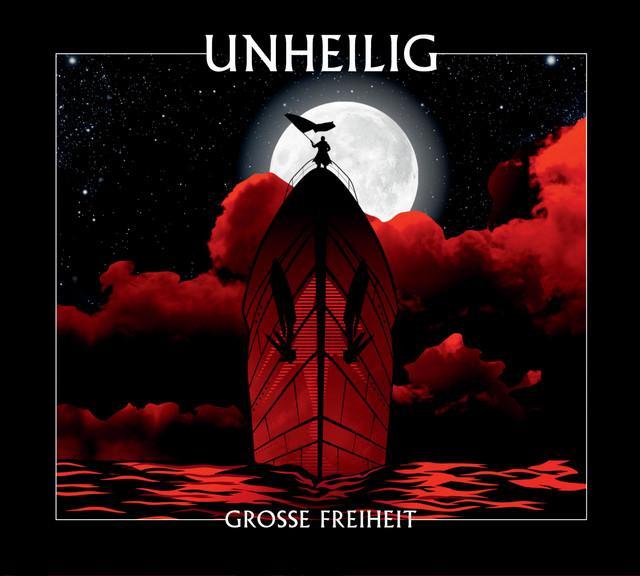
Released by the German band Unheilig in 2010, the song became one of their defining singles and helped make Große Freiheit a major commercial success. It was written by Der Graf and Henning Verlage, the two names most closely tied to the group’s core sound and message.
A Grief Song That Refuses to Stay Still
At its heart, the song speaks to someone who is gone. The opening feeling is immediate: life is hard without that person. When the lyric says ohne dich zu leben
, it frames the whole song as a struggle with absence, not just sadness.
But this is not only a song about pain. It is also about what comes after the shock. The speaker keeps looking back at beloved days from the past, then slowly begins to accept that memory can coexist with survival. That emotional shift is the key to the song’s lasting appeal.
Interpretation: Many listeners hear the song as a direct address to someone who has died. The text supports that reading because the missing person is described as no longer being here, yet still emotionally present.

Watch the official Geboren um zu leben
music video
The Chorus Turns Private Loss Into a Shared Truth
The famous refrain is why the song reached so many people. The line geboren um zu leben
does more than sound uplifting. It reframes grief itself.
Instead of saying life has lost meaning, the chorus argues the opposite: pain reveals meaning. The song suggests that people are born to experience wonder, memory, and one defining moment that makes them understand wie wertvoll Leben ist
. In English, that idea is close to “how valuable life is.”
That is why the chorus feels bigger than the verses. The verses are personal and intimate. The chorus becomes communal, almost like a public act of remembrance.
Wir waren geboren um zu leben
Für den einen Augenblick
These short lines capture the emotional center: life gains weight through moments that cannot be repeated.
Memory, Presence, and the Work of Healing
One of the song’s strongest ideas is that grief does not end when someone decides to “move on.” Instead, healing means making room for new life without betraying the old bond. A phrase like wieder neuen Platz zu schaffen
shows that this process is uncomfortable. The speaker wants to allow something new, but doing so still hurts.
That tension makes the song feel honest. It does not pretend recovery is quick or clean. The person who is gone still feels close, almost like a companion walking beside the speaker. Memory becomes a form of presence.
Interpretation: This is why the song lands with people who have lost family, partners, or close friends. Its message is not “forget and continue.” It is “remember, and continue anyway.”
How Unheilig’s Sound Carries the Message
The production matters as much as the words. Unheilig blended pop, rock, and electronic elements into a style that often felt dramatic but accessible. Here, the steady rhythm and polished dance-pop structure stop the song from collapsing into pure ballad sadness.
The beat gives it forward motion. The synth textures create lift. Der Graf’s vocal delivery adds gravity, sounding worn but determined rather than broken. That combination is crucial: the song mourns, but it also rises.
For American listeners unfamiliar with Unheilig, that mix can be surprising. A song this sorrowful might be expected to stay soft and slow. Instead, it grows into an anthem. That choice supports the theme that life keeps moving, even when grief tries to freeze time.
Artist Context Helps Explain the Song’s Reach
Unheilig built a large audience in German-speaking Europe by pairing dark imagery with emotional directness. Der Graf often wrote in a plain, heartfelt style that made big feelings easy to grasp. That clarity is one reason this song crossed over from fan favorite to mainstream hit.
It also arrived at a time when grand, melodic pop with personal themes had strong chart power in Germany. The song’s success was not just about sadness. It was about giving listeners a language for remembrance that still felt hopeful.
A Few Ways to Read the Song
There are at least two strong readings:
- Personal mourning: The speaker is addressing a loved one who has died.
- Life lesson through loss: The missing person becomes the reason the speaker understands what truly matters.
Both readings work because the lyric moves between direct grief and broader reflection. A phrase like nach vorn
points toward the future, but it never erases the past.
Why the Song Still Connects
The meaning of Geboren um zu leben Unheilig lasts because it balances opposites so well: sadness and gratitude, memory and motion, private pain and shared hope. It tells listeners that grief can sharpen their sense of life instead of ending it.
That is a hard message to deliver without sounding forced. Unheilig succeeds because the song stays emotionally plainspoken. It does not use complicated symbols. It trusts a direct truth: love leaves a mark, and that mark changes how people live.
Disclaimer: This interpretation is based on the song’s lyrics, performance, and public context. As with any piece of music, listeners may connect with it in different personal ways.







