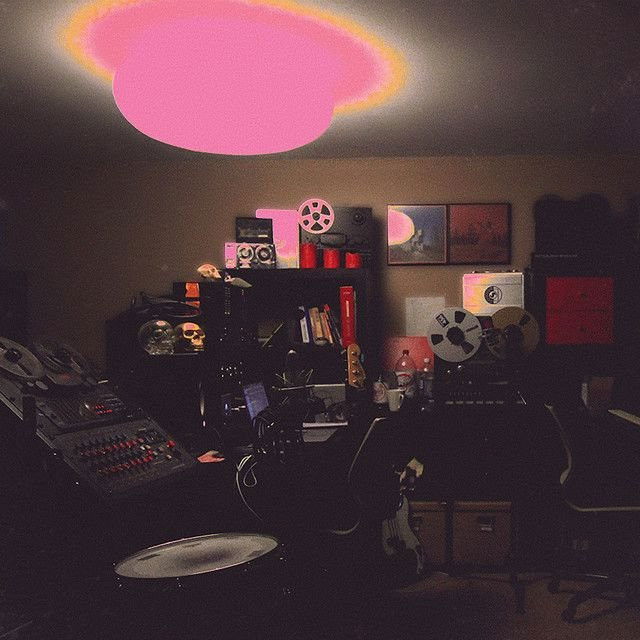
Necessary Evil by Unknown Mortal Orchestra
A Love Song That Does Not Trust Itself
The meaning of Necessary Evil Unknown Mortal Orchestra starts with a contradiction. This is a song about being in love while also believing that love may be harmful, messy, or impossible to handle well.
"Necessary Evil" - Unknown Mortal Orchestra
Fly from a destiny infested with chemicals
You need a new drug not invented by the CIA
Loading lyrics...
Unable to load lyrics
We're unable to display the lyrics at this time. Please try again later.
Rather than presenting romance as healing, the track describes a relationship where attraction comes with guilt and self-doubt. The narrator seems shocked that anyone could want them at all. That is why the title phrase matters so much: they see themself as a burden that the other person somehow still chooses.

Watch the official Necessary Evil
music video
Where It Sits in UMO’s Story
“Necessary Evil” appears on Multi-Love, Unknown Mortal Orchestra’s 2015 album. According to Multi-Love, the record was shaped by Ruban Nielson’s real-life polyamorous relationship and explores euphoria, experimentation, and emotional exhaustion.
That context matters. “Necessary Evil” does not sound like a random breakup song or a simple confession. It belongs to an album that keeps asking how pleasure, freedom, jealousy, and confusion can exist at the same time.
Ruban Nielson also produced, mixed, and engineered the album, which helps explain why the songs feel so intimate and strange. Critics noted its lush synths and psychedelic funk textures, and those sounds are especially useful here because the song lives in a blurred emotional space.
The Central Idea in the Chorus
The chorus gives the song its clearest emotional statement. When the narrator says love could be a fatal flaw
, they are not only doubting the relationship. They are doubting themself.
Then comes the phrase necessary evil
, which is the song’s key paradox. Interpretation: the narrator may believe they bring trouble, temptation, or emotional chaos, but also feel that this chaos has become part of how the relationship works. The bond is unhealthy in one sense, yet impossible to dismiss.
That tension is why the hook lingers. It turns self-loathing into a love language.
Verse Images: Instinct, Chemicals, and Escape
The opening verse uses wild, surreal images to describe the need to change. The line about becoming the animal one needs to be suggests pure instinct, not careful reason. In other words, the song starts from a place where desire pushes past rules.
The next images move into paranoia and artificiality. The idea of a destiny infested with chemicals
and a new drug
not made by powerful institutions suggests a world full of contamination, manipulation, or false relief. The song seems to reject fake cures.
Interpretation: these references may point to emotional numbness, substance culture, social control, or simply the feeling that modern life offers shallow ways to cope. In this reading, love becomes another altered state, but one that is more honest and more dangerous.
A Speaker Split Between Desire and Shame
One of the song’s strongest lines is the admission that they want closeness but lack self-control. That confession matters because it keeps the song from becoming romantic fantasy. The speaker does not present themself as stable, wise, or noble.
Instead, they are impulsive and confused. They say we're in love
, but then immediately question why the other person sees value in them. That emotional whiplash is the whole song in miniature: connection arrives, and doubt ruins the moment.
We're in love
But I don't get
what you see in me
This short turn says almost everything. Love is real, but self-belief is not.
The Second Verse Broadens the Scene
The second verse shifts perspective slightly, moving through odd snapshots: moonlight, a pillow, a blunt, and a person who still cannot calm down. These details make the relationship feel lived-in rather than abstract.
The line about moonlight and tanning hints that some desires cannot be fulfilled in the wrong conditions. Something is missing. Something that should soothe or satisfy does not work.
Then the song mirrors its first verse by changing pronouns. First the narrator wonders why someone loves them; later they say the woman does not understand what they see in her. That symmetry matters. It suggests mutual confusion, not one-sided insecurity.
How the Sound Carries the Message
Musically, “Necessary Evil” supports its theme with a warm but uneasy groove. Unknown Mortal Orchestra often builds songs that feel handmade, warped, and seductive all at once, and this track follows that pattern.
On Multi-Love, Ruban Nielson handled most of the sonic architecture, while Kody Nielson and Chris Nielson also contributed to the song’s writing; Chris is also credited with horns on track 8 in the album personnel. The result is not polished in a sterile way. It feels humid, slightly woozy, and emotionally overstimulated.
That matters because the lyrics are about attraction that never fully settles. The groove pulls the listener in, while the words keep introducing discomfort. As Pitchfork coverage around the album’s era emphasized, Nielson often turned personal upheaval into adventurous pop. “Necessary Evil” is one of the clearest examples of that method.
The Best Way to Read the Song
The strongest reading is that “Necessary Evil” is about accepting that love can expose parts of the self a person does not like. The narrator feels toxic, needy, or unstable, yet still wants intimacy.
A second reading is more specific to Multi-Love: the song may reflect the emotional contradictions of nontraditional romance, where liberation and damage can appear together. Interpretation: in that frame, the “evil” is not simple wrongdoing. It is the cost of wanting more than one safe story about love.
Final Take on Its Meaning
The meaning of Necessary Evil Unknown Mortal Orchestra lies in its refusal to clean up desire. It presents love as thrilling, chemical, instinctive, and deeply unsettling.
That is why the song still lands. It knows that some relationships feel necessary even when the people inside them are not sure they are good for each other.
Disclaimer: This interpretation combines lyrical analysis with publicly available artist and album context. As with most art, listeners may hear different meanings in the song.








