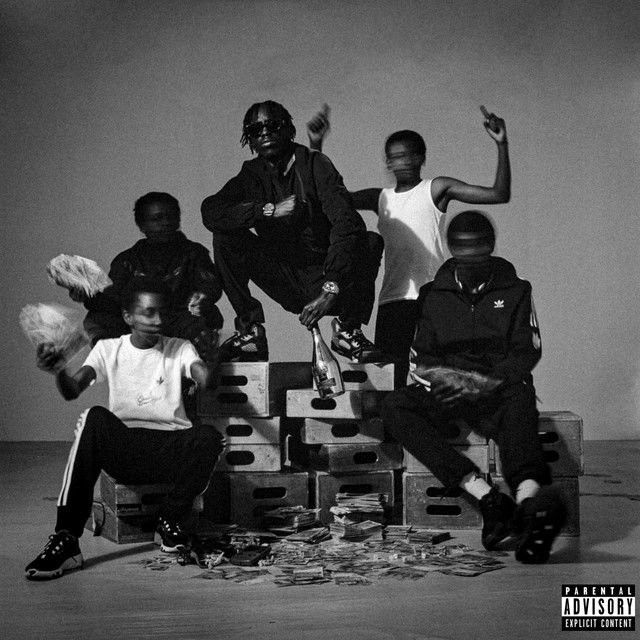
Why 'GLEE' Turns Joy Into a Threat
The meaning of GLEE Unknown T, Digga D starts with a word twist. In ordinary English, “glee” suggests happiness. In this track, though, the word is flipped into slang for a firearm, so the title becomes darkly ironic. That contrast is the song’s whole engine: pleasure on the surface, danger underneath.
"GLEE" - Unknown T ft. Digga D
Glee
Glee
Loading lyrics...
Unable to load lyrics
We're unable to display the lyrics at this time. Please try again later.
Unknown T and Digga D use that irony to build a drill track about status, retaliation, and survival. Rather than telling one clear story, they create a world where being known, being watched, and being ready all happen at once. The result is less confession than posture: a performance of control in a violent setting.
A Hook That Changes the Whole Song
The chorus is the clearest key to the track. When they repeat we been in the streets
, they are not just claiming experience. They are saying their authority comes from lived pressure, not from fantasy. Then the next line turns that experience into a threat with uppin' my glee
.
That simple pairing matters. One half says where they come from; the other says how they answer danger. Interpretation: the hook suggests that in their world, identity and defense are tied together so tightly that they can barely be separated.
The repeated chant of glee, glee, glee
also makes the song feel hypnotic. It strips the idea down to one sound, almost like a siren or alarm. That repetition is part of why the record feels catchy and tense at the same time.
Watch the official GLEE
music video
Unknown T and Digga D Speak in Different Shades
Unknown T has long been known in UK drill for a smooth, controlled delivery and a knack for elegant rhythm, while Digga D became one of the scene’s most visible stars through 1011/CGM and later solo releases, including the chart-topping Noughty by Nature in the UK. He has also spoken about “changing drill,” not inventing it, but pushing its style in new directions. Those career facts help explain why this collaboration feels natural: both artists understand menace as performance, but they stage it differently.
Unknown T sounds cold and measured. His lines often feel like statements of fact, which makes the threats hit harder. Digga D, by contrast, brings bounce, wit, and a more animated flex-heavy energy. When the song shifts from direct danger to designer labels, women, and lifestyle details, his style helps widen the frame.
Interpretation: together, they present two sides of drill masculinity: the calm strategist and the loud disruptor.
What the Verses Are Really Doing
The verses move through a few linked ideas:
- Street credibility: They insist they are not pretending.
- Retaliation: Any challenge will be met with force.
- Surveillance: Police, helicopters, and warrants hover in the background.
- Status display: Luxury names and sexual attention become proof of rank.
That is why lines about violence sit next to fashion and romance. In this song’s logic, all of it belongs to one ecosystem. If someone is feared, then they are also visible. If they are visible, then they attract both law enforcement and admiration.
A short phrase like Speak with your chest
shows how quickly ordinary talk becomes confrontation. Another line, Stop the cap
, challenges fake street claims. Even without long lyric quotes, the pattern is clear: the song constantly tests who is real, who is bluffing, and who can back up what they say.
Danger, Glamour, and Drill Irony
One striking feature of “GLEE” is how it mixes horror with swagger. There are graphic threats, but also references to watches, brands, and attractive women. That blend is common in drill, yet here it feels especially sharp because the title already sets up irony.
A brief multi-line passage captures that mix:
VLONE, we can't eat home
come to my new en-suite
The idea is simple even in paraphrase: they move from danger in public life to private luxury. Home is not fully safe, yet wealth creates a different kind of shelter. Interpretation: the song hints that success does not erase paranoia; it just upgrades the setting.
How the Production Carries the Meaning
The beat, credited in the lyrics tag to R14, supports that message through classic drill tools: heavy low end, clipped percussion, and space in the mix for sharp vocal attacks. Instead of sounding lush, the instrumental feels skeletal. That emptiness matters because it gives every threat more room to land.
The hook is especially effective because the production leaves space for the repeated word to echo like a stamp. Their voices do different jobs inside that frame. Unknown T’s steadier cadence sounds composed. Digga D’s more elastic flow adds agitation and showmanship.
This is one reason the meaning of GLEE Unknown T, Digga D is not only in the lyrics. It is in the sound design too. The beat makes danger feel constant, while the flows make it feel stylish.
Artist Context Makes the Track Heavier
Digga D’s public story matters here. Coverage of his career has often focused on UK drill, chart success, and the legal scrutiny around his releases and behavior. That wider context makes lines about police attention and coded language feel more loaded, even when listeners treat the song as art rather than literal testimony.
At the same time, this should not be reduced to biography. Drill songs often turn real pressures into exaggerated personas. Interpretation: “GLEE” works best when heard as both cultural document and crafted performance. It reflects the harsh, competitive atmosphere often associated with UK drill, while also using repetition, slang, and image-making to build a marketable identity.
The Bottom Line on “GLEE”
So, what is “GLEE” about? At its core, it is a song about living inside threat and making that threat part of one’s image. The title’s joke is the point: a word linked to joy is repurposed into a warning.
That is why the track sticks. It turns street experience into mantra, menace into rhythm, and fear into status. For many listeners, that blend is the real meaning of “GLEE.”
Disclaimer: This article offers interpretation based on the released song, artist context, and drill conventions. Meanings can vary by listener, and not every lyric should be read as a literal statement of fact.








