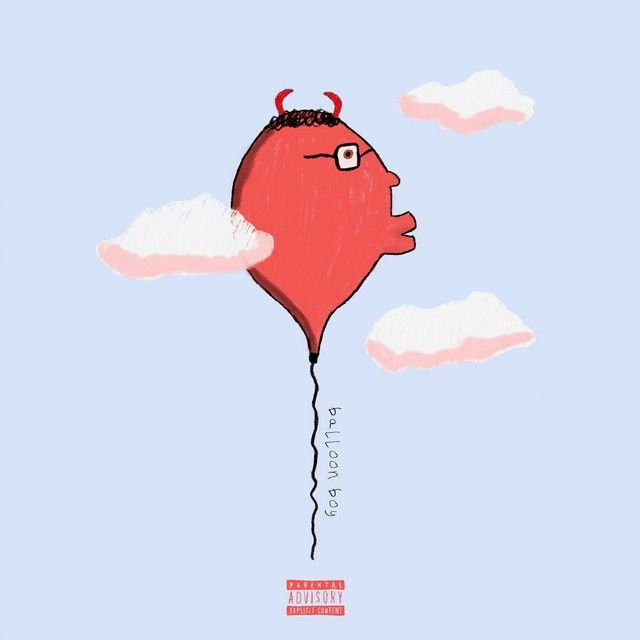
Why 'useless' by updog Hits So Hard
The meaning of useless updog centers on a painful idea many listeners will recognize: the mind can become its own bully. Rather than blaming one outside villain, the song turns inward and shows how shame, self-doubt, and impossible standards can trap a person in a loop.
"useless" - updog
I feel fat,
I feel stupid
Loading lyrics...
Unable to load lyrics
We're unable to display the lyrics at this time. Please try again later.
Written by Birk Boenloekke and Ioannis Karavassilis, the track uses blunt language and a tight structure to make that spiral feel immediate. Even the band name may catch some readers because “updog” is widely known as a bait-and-switch joke in North American slang culture, where the phrase works as a setup for a punchline rather than a literal term. That background, discussed widely in public explanations of the joke, makes the song title pairing feel a little ironic: there is nothing playful about the emotional state inside "useless."
The Core Meaning Beneath the Self-Attacks
At its heart, the song is about negative self-talk. The speaker lists harsh judgments about their body, intelligence, and value, then shows how those thoughts spread into every part of life. They do not sound calm or reflective. They sound cornered.
That matters because the song is not just saying, “I feel bad.” It is showing how one bad feeling becomes an identity. A phrase like I feel useless
lands hard because it is not framed as a passing mood. It sounds like a verdict.
Interpretation: The song argues that the most damaging lies are often the ones a person repeats to themselves until they feel true.

Watch the official useless
music video
A Verse-by-Verse Look at the Emotional Spiral
In the first verse, the speaker starts with direct self-insults. Then they move into confusion and isolation. The image about life feeling like a horse chasing a train
suggests a race they can never win.
That metaphor is messy in a useful way. A horse chasing a train is not just losing; it is stuck in a contest that barely makes sense. This supports the idea that the speaker feels trapped by standards that are too fast, too distant, and maybe not even meant for them.
The verse ends by linking self-mistreatment to insecurity. In simple terms, they hurt themselves emotionally because they do not feel secure in who they are.
Why the Chorus Keeps Returning to “Lies”
The chorus is the song’s key. Instead of adding new plot, it names the real pattern: lies you tell yourself
. That repetition matters because intrusive thoughts often work through repetition too.
The demand to tell me
feels confrontational, almost like an intervention. The song pushes the speaker—or the listener—to say those private beliefs out loud and hear how cruel they sound.
Interpretation: The chorus turns the song from confession into challenge. Once the voice in the head is exposed as a liar, it loses some of its power.
Standards, Shame, and the Fear of Joy
The second verse deepens the song’s meaning by shifting from insults to expectations. The speaker says they have goals and standards, but those ideals do not seem to come from a healthy sense of self. Instead, they feel imposed, unstable, or turned against them.
That is where one of the song’s sharpest ideas appears: the inner voice says they should not feel happy. A short phrase like should not feel glee
captures the way shame can make joy feel undeserved.
This is important to the meaning of useless updog because the song is not only about feeling low. It is about distrusting any moment of pride, comfort, or contentment. The speaker cannot just fail; they also feel forbidden from feeling okay.
The Bridge Draws the Real Wound
The bridge gives the clearest summary of the whole track:
your worth is just the compromise
you made to lose your true self
This is the song’s deepest cut. It suggests that low self-worth may come from abandoning parts of oneself—whether to please others, meet expectations, or survive criticism. In that reading, the problem is not that the speaker has no value. The problem is that they have become separated from their own identity.
How the Writing Style Strengthens the Message
The song uses plain, forceful words. There is very little poetic distance. That makes the emotion feel raw and believable.
Profanity also plays a role. It does not seem included for shock alone. It adds pressure, frustration, and a sense that the speaker has run out of polite ways to describe the pain. The overall rhyme and repetition are simple, which fits the theme: destructive thoughts often arrive in basic, repeated phrases.
Sound and Delivery: What the Production Likely Adds
Without verified production credits available here, it is safest to treat this section as Interpretation based on the lyric design. A song built around these words works best if the arrangement stays tense and direct rather than overly polished.
They likely benefit from a performance style that sounds urgent, with a chorus that hits like accusation. If the instrumentation grows heavier or more repetitive in the hook, that would mirror the trap of recurring thoughts. If the verses feel more exposed, that would match the private nature of self-criticism before it explodes into the open.
Final Take on the Meaning of useless updog
So, what is the meaning of useless updog? It is a song about the false beliefs that make a person feel small, broken, and undeserving. More importantly, it identifies those beliefs as learned inner lies rather than objective truth.
That is why the track can feel both brutal and oddly clarifying. It names the voice that says a person is not enough—and then points to that voice as the real problem.
Disclaimer: This interpretation is based on the lyrics provided and publicly available context. Like any song, "useless" may carry different meanings for different listeners.









