How 'Lady in Black' Turns Rage Into Mercy
The meaning of Lady in Black Uriah Heep starts with a simple but powerful idea: a person broken by conflict meets a figure of comfort and wisdom, and that meeting changes how they see strength. Rather than praising battle, the song pushes against revenge. It argues that mercy can be harder, wiser, and more lasting than violence.
"Lady in Black" - Uriah Heep
One lonely Sunday morning
Her long hair flowing in the mid-winter wind
Loading lyrics...
Unable to load lyrics
We're unable to display the lyrics at this time. Please try again later.
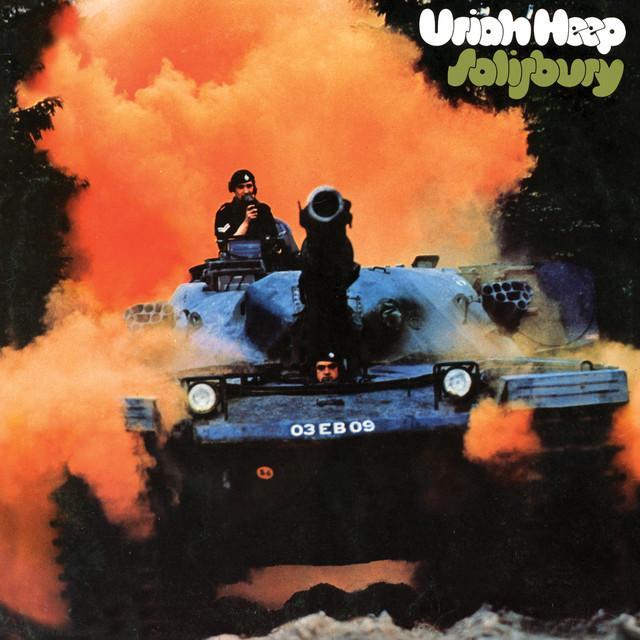
Uriah Heep released the song in the early 1970s, and it was written by Ken Hensley. It appeared on Salisbury, the band’s second album, according to standard discographies and album histories from sources such as AllMusic and Discogs. That timing matters. Rock music of the era often wrestled with war, disillusionment, and spiritual searching, and this track fits that mood well.
A Vision in the Dark, Not a Love Song
At first, the story sounds almost mythic. The narrator is lost, surrounded by defeat, and then a woman appears on a cold morning. The opening image of lonely Sunday morning
frames the scene as emotional and spiritual, not romantic in a normal pop-song way.
They are not meeting a lover. They are meeting guidance.
The song’s first big idea is isolation. The narrator says they were walking in darkness, and the world around them felt ruined. That mood makes the Lady in Black feel less like a real stranger and more like an answer to a crisis.
Interpretation: Many listeners hear her as a symbol of peace, grace, or conscience. The lyrics support that reading because she appears exactly when hatred is strongest.

Watch the official Lady in Black
music video
The Enemy Is Human Violence Itself
One of the most important moments comes when the woman asks who the enemy is. The answer is not one named person or army. Instead, the narrator points to the need within some men
to fight and kill. That shift matters a lot.
The song is saying that the true enemy is not just an outside force. It is the human urge toward cruelty, pride, and destruction. In that way, the lyrics broaden from one battle to a larger moral problem.
The narrator still wants revenge. They ask for power to crush their enemies, showing how pain can turn quickly into bloodlust. The song is honest about that temptation. It does not pretend noble feelings arrive instantly.
Where the Song Rejects Revenge
The heart of the song is the Lady’s refusal to endorse war. She will not support a fight that turns people into beasts. The lyric about battle that reduces men to animals
is one of the clearest anti-war statements in classic rock.
Her message is practical, not dreamy. Conflict is so easy to begin
but almost impossible to stop. That line explains why the song still connects decades later. It understands that violence often grows beyond the control of the people who start it.
Interpretation: This is why the song feels bigger than a personal crisis. It can be heard as a warning about war, but also about cycles of anger in families, politics, or daily life.
The Lady as Mother, Guide, and Inner Voice
The lyrics describe her as mother of all men
, which gives her a near-universal role. She is not just wise; she stands for a protective force above the narrator’s rage. That image adds a spiritual tone without tying the song to one strict doctrine.
There are at least two strong readings here:
- Peace figure: She represents compassion and moral restraint.
- Inner awakening: She is the better self the narrator nearly lost.
Both work because her lesson stays after she leaves. The struggle does not vanish, but the narrator gains steadiness. They are still burdened, yet no longer alone.
Why the Chorus Feels So Comforting
The emotional center comes when the narrator asks for rest and receives reassurance. Her response, paraphrased, is that trust matters more than force. She also warns against false faith in crowds or brute numbers.
That idea makes the song unusual. It does not claim victory belongs to the biggest army. Instead, it says moral courage can survive even when someone stands almost by themselves.
Have faith and trust in me
I won't be far away
Those brief lines turn the song from argument into comfort. The point is not that suffering ends. The point is that guidance remains available.
How the Sound Carries the Meaning
Part of the meaning of Lady in Black Uriah Heep comes from the arrangement as much as the words. Uriah Heep were known for hard rock, Hammond organ, and big vocal harmonies, as noted in band histories and reviews from Britannica and AllMusic. But this track leans heavily on a simple, folk-like pulse.
That simplicity matters. The steady acoustic strum feels like a march slowed into reflection. As the song builds, the vocal delivery becomes communal, almost chant-like, which helps the message sound timeless. It is as if private pain becomes shared human wisdom.
The famous ah, ah, ah
refrain also plays a key role. It communicates feeling beyond literal speech. Instead of adding more argument, the music opens emotional space.
Why the Ending Matters Most
By the end, the Lady disappears, but the lesson remains. The narrator says the work of living is still hard. That is crucial. This is not a fairy tale where one vision fixes everything.
Instead, the ending suggests endurance. The narrator now carries a memory that can renew courage. They even pass that wisdom forward, telling others to listen if such guidance ever comes to them.
That final gesture makes the song generous. It moves from one person’s rescue to a broader invitation: reject hatred, accept help, and choose humanity over revenge.
The Lasting Meaning of Lady in Black
The lasting meaning of Lady in Black Uriah Heep is that real strength is not domination. It is restraint, trust, and the refusal to become what violence demands. The mysterious woman does not erase darkness; she teaches how to walk through it without surrendering to it.
That is why the song endures. It speaks to war, grief, anger, and recovery all at once.
Disclaimer: This interpretation is based on the lyrics, musical context, and commonly discussed themes. As with any song, listeners may hear different meanings in it.








