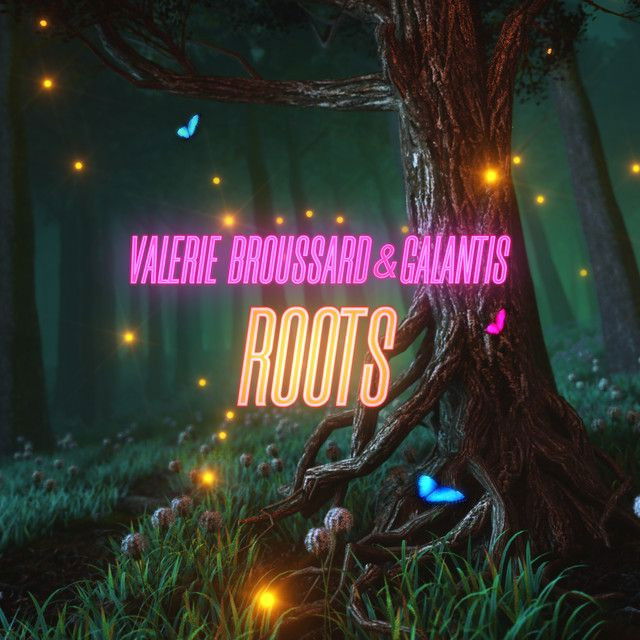
Roots by Valerie Broussard, Galantis
The meaning of Roots Valerie Broussard, Galantis comes down to a simple but powerful shift: a person who once lived in motion starts to imagine staying. Instead of treating love like another stop on the road, they begin to see it as a home.
"Roots" - Valerie Broussard, Galantis
I come and then I go
I got used to wandering
Loading lyrics...
Unable to load lyrics
We're unable to display the lyrics at this time. Please try again later.
That emotional turn gives the song its heart. It is not just about romance. It is about what happens when freedom stops feeling enough and commitment starts to feel exciting.
A Dance Song About Finally Standing Still
At its core, “Roots” tells the story of someone who has built an identity around leaving. Early lines describe a person who comes and goes, wanders, and lives on the road
. In plain terms, they are used to movement, not permanence.
Then the song introduces a new force: a relationship strong enough to interrupt that pattern. The key hook, put some roots down
, turns the song from confession into decision. They are no longer only describing who they were. They are testing who they could become.
Interpretation: That is why the chorus lands so hard. It is not a grand drama. It is a quiet, life-changing admission that staying might be braver than leaving.
Watch the official Roots
music video
The Speaker's Journey From Drifter to Partner
The verses show a clear before-and-after structure. Before this relationship, the speaker admits they would love someone and then leave. That history matters because it makes their new desire feel earned, not casual.
The song's emotional center is the moment they realize time has passed differently with this person. Days becoming weeks suggests comfort, routine, and attachment sneaking up on them. The line about the other person and the town growing on them widens the meaning: they are not just falling for a lover, but for a life.
I'm done running
Finally home
Those short phrases sum up the change. They move from escape to arrival.
Why “Home” Is the Song's Real Keyword
The chorus talks about roots, but the deeper image may be home. The song says home is not only a place someone is born into. It can be something built through choice, love, and repetition.
One of the smartest lines compares this new stability to being built from this rolling stone
. That flips the old saying about a rolling stone gathering no moss. Here, the person who once kept moving is discovering they can still become grounded.
Interpretation: That makes the song feel hopeful rather than guilty. It does not punish their past. It says people can outgrow old habits when they meet the right person, place, or moment in life.
Love, Place, and Belonging Work Together
A notable detail in “Roots” is that the speaker does not only praise the partner. They also mention the town. That matters because it shows commitment on two levels:
- Emotional attachment to a person
- Physical attachment to a place
- A growing comfort with everyday life
Many love songs focus on passion alone. “Roots” is a little different. It suggests real commitment includes ordinary things: a neighborhood, familiar streets, shared time, and the feeling of being guided back.
When the lyrics describe the other person as shining like a beacon
, the image is clear. They act like a light that turns wandering into direction. The relationship becomes a compass.
How Galantis Helps the Message Land
Galantis are known for melodic, uplifting electronic pop, and that style matters here. Instead of framing the song as sad or trapped, the production makes settling down sound exhilarating. Bright synths, a clean drop, and a driving beat support the song's central message: choosing commitment can feel expansive, not limiting.
Valerie Broussard's voice is key to that balance. Her delivery brings warmth and sincerity, which keeps the hook from sounding generic. According to her artist background, she is an American singer-songwriter from the Philadelphia area who later moved to London and built a career through collaborations across pop and electronic music, including work with Kygo and Illenium (Wikipedia). That crossover experience helps explain why “Roots” feels both intimate and built for a large audience.
The song also had measurable reach. It hit No. 25 on Billboard's dance chart in 2019, as noted in coverage cited on Broussard's artist page (Wikipedia). That chart context fits the track: it carries a personal message inside a polished dance-pop frame.
A Few Alternate Ways to Hear It
The most direct reading is romantic. A restless person falls in love and wants to stay.
But there is another plausible angle. Interpretation: “Roots” can also be heard as a song about adulthood. The choice to stop running may point to emotional maturity more than romance alone. In that reading, the partner is part of a larger awakening about identity, stability, and belonging.
A third reading is creative renewal. The phrase about trying out a new sound
hints at experimentation. That could simply mean they are thinking out loud in love, but it also suggests a person revising their whole way of living.
Why the Chorus Feels So Memorable
The chorus repeats its title phrase often, but that repetition serves the meaning. It sounds like someone rehearsing a future until they believe it. The hook is catchy because it is simple, but also because it captures a huge life change in everyday words.
That is the secret of the meaning of Roots Valerie Broussard, Galantis. It turns settling down into a leap, not a compromise. The song understands that for some people, commitment is not the easy option. It is the bold one.
The Lasting Takeaway
“Roots” resonates because it captures a common adult realization: home is sometimes found, not inherited. Through a few direct images and buoyant production, the song shows a person moving from distance to devotion.
That is why it sticks. Beneath the glossy dance-pop surface, it is a song about choosing to stay when leaving used to define them.
Disclaimer: This interpretation is based on the song's lyrics, performance, and available artist context. As with any song, listeners may hear different meanings in it.








