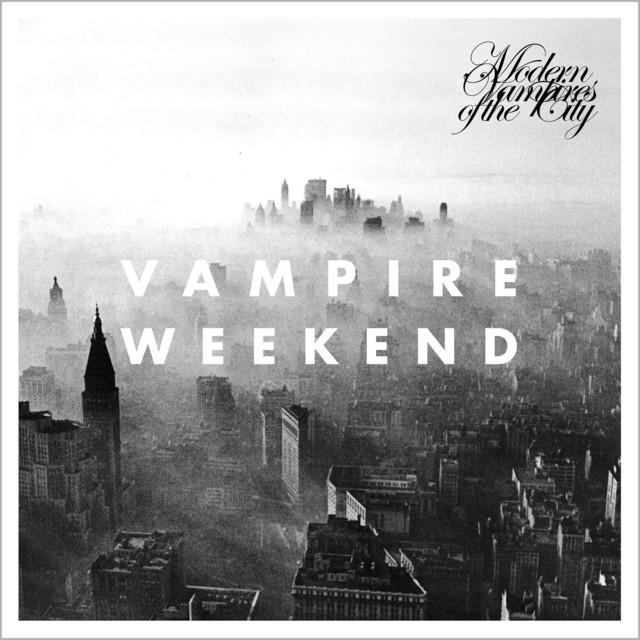
Diane Young by Vampire Weekend
The meaning of Diane Young Vampire Weekend comes down to one sharp idea: youth can feel exciting, stylish, and free, but it is always shadowed by danger. On the surface, the song sounds like a rush of adrenaline. Underneath, it is about mortality, fear, and the strange mix of envy and judgment people feel toward reckless lives.
"Diane Young" - Vampire Weekend
I'd gone to find some better wheels
Four, five meter runnin' 'round the bend
Loading lyrics...
Unable to load lyrics
We're unable to display the lyrics at this time. Please try again later.
Released in 2013 as the lead single from Modern Vampires of the City, the track announced a more anxious phase for the band. Factually, it came from Vampire Weekend’s third album and was written by Rostam Batmanglij and Ezra Koenig, with production by Rostam and Ariel Rechtshaid, according to available credits. It also became one of the group’s most recognizable singles.
A title built on a dark joke
The key to the song is its title. "Diane Young" is widely understood as a play on “dying young.” That pun gives the whole track its shape. Instead of stating the fear directly, the song turns death into a person, a character, or maybe even a lifestyle.
That matters because the lyrics are not just telling a story about one wild person. Interpretation: they are using that figure to talk about a whole attitude: live fast, take risks, ignore consequences, and keep moving before reality catches up.
The chorus makes that tension feel catchy rather than heavy. When the song circles around right on time
, it sounds celebratory at first. But in context, the phrase carries pressure too. Time is always arriving. Time always wins.

Watch the official Diane Young
music video
The narrator is not above the chaos
One reason the song feels so alive is that the speaker is not simply lecturing someone else. They seem drawn to the danger even while criticizing it. Early images like torched a Saab
and being out of control
suggest someone moving through life with style and destruction at once.
But the song later reveals the narrator’s own fear. The clearest confession comes near the end with self-defense
and the line about loving the past because suspense feels unbearable. Paraphrased, the speaker would rather hold onto what is known than face an uncertain future.
That makes the song smarter than a simple cautionary tale. Interpretation: the reckless person may be foolish, but the careful observer may be cowardly. The song holds both truths at once.
How the verses build the song’s meaning
The verses throw out vivid snapshots instead of a clean plot. That fragmented style helps the song feel unstable.
A few of the key moments are:
- A burning car, which suggests waste, danger, and flashy destruction.
- References to games, championships, and the
eighteenth hole
, which hint at performance and bravado. - Government agents closing in, which adds paranoia and consequences.
- A late reflection on aging and uncertainty, where the mood turns more openly existential.
These scenes do not all connect literally. Instead, they work like flashes of a life lived at high speed. Interpretation: the song is less about plot than about atmosphere—how recklessness looks from both inside and outside.
Sound first, meaning second—then both hit together
The production is a huge part of why “Diane Young” works. The band and Ariel Rechtshaid reportedly reshaped it from an early demo into something much more aggressive and strange. That choice matters because the music itself sounds unstable.
The beat pushes hard. The vocals are clipped and processed. The groove carries a rockabilly snap, but it is bent into something modern and slightly distorted. The result is music that feels fun and wrong at the same time.
That tension mirrors the lyrics perfectly. The song races forward like somebody enjoying the thrill of danger, while the processed chorus makes the whole thing feel slightly artificial, as if the party is already decaying. Interpretation: the sound suggests that youthful freedom can be exhilarating, but also performative and unsustainable.
Images of luck, class, and American decline
Some lyrics also bring in social texture. The Kennedy reference ties glamour to doom. In American culture, the family can symbolize privilege, beauty, and tragedy all at once. So when the song mentions that kind of luck, it sounds double-edged.
The Saab image works similarly. It is not just a random car. It suggests taste, identity, and a very specific kind of cool. Burning it like leaves turns luxury into trash in seconds.
That is one reason Modern Vampires of the City is such an important context for the song. The album often deals with time, death, history, and fading certainty. “Diane Young” handles those ideas in the loudest, fastest, most sarcastic way on the record.
Another possible reading of “Diane Young”
There is also a more symbolic way to hear the song. Interpretation: “Diane Young” may not be a person at all. She could stand for temptation itself—the idea of living as if consequences do not matter.
If that reading fits, then the repeated line about whether Diane Young can change your mind becomes a real moral question. Will excitement pull someone away from caution? Or will fear keep them trapped in the past?
That tension gives the song its staying power. It never fully chooses one side. It understands why people chase danger, and it understands why others step back.
Why the song still lands
The meaning of Diane Young Vampire Weekend still resonates because it captures a feeling many people know: being fascinated by people who seem fearless, while also suspecting that fearlessness comes with a cost. The song turns that conflict into two and a half minutes of nervous energy.
Its brilliance is that it never stops moving long enough to become preachy. It dances, smirks, and panics all at once. That is why it remains one of Vampire Weekend’s sharpest songs about time, youth, and the thin line between freedom and self-destruction.
Disclaimer: Song meaning is always part fact, part interpretation. The reading above draws on the lyrics, confirmed release context, and public comments, but listeners may reasonably hear the song differently.








