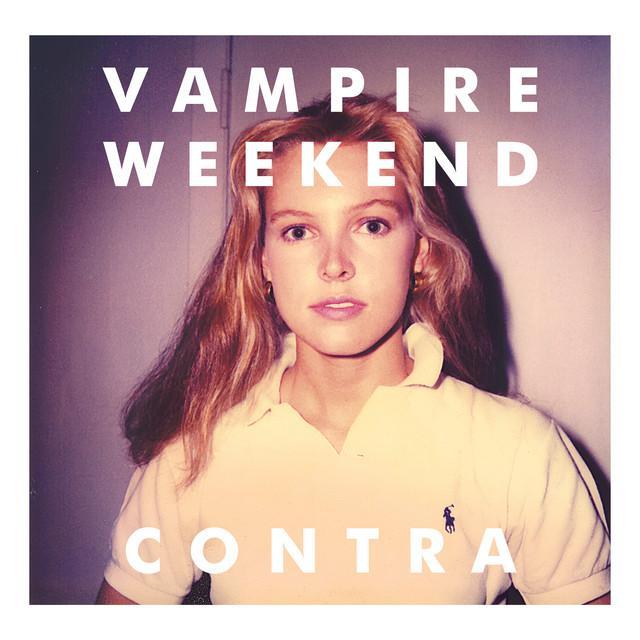
Horchata by Vampire Weekend
A Winter Song That Feels Warm
The meaning of Horchata Vampire Weekend starts with a clever contrast: a cold month, a sweet drink, and a mood that mixes pleasure with regret. Released on October 5, 2009, as the lead single from Contra, the song works like an opening postcard from a bright place that is already fading. According to Wikipedia, it was written by the band members and produced by Rostam Batmanglij, whose detailed arrangement helps shape its unusual emotional pull.
"Horchata" - Vampire Weekend
I'd look psychotic in a balaclava
Winter's cold is too much to handle
Loading lyrics...
Unable to load lyrics
We're unable to display the lyrics at this time. Please try again later.
On the surface, the song is full of stylish objects and vivid scenes. They mention a winter drink, a ski mask, sandals, glasses, and garden plants. But these details are not random. They build a world where comfort and discomfort live side by side. The result is a song about memory, aging, and the strange way joy can return just as someone realizes they let it slip away.

Watch the official Horchata
music video
What the Song Is Really About
At its core, “Horchata” seems to be about trying to hold onto a feeling of lightness. The singer stands in winter, but keeps reaching for reminders of warmth, travel, taste, and connection. That is why the opening image, In December, drinking horchata
, matters so much. It is not just a quirky line. It introduces the song’s main idea: carrying summer-like comfort into a cold season.
Interpretation: They appear to be singing about nostalgia before nostalgia fully settles in. Instead of looking back on childhood in a simple way, the song captures the exact moment when someone feels happiness returning and also senses it is fragile.
The chorus-like refrain makes that point clearer. The repeated thought about a forgotten feeling suggests emotional memory. They are not discovering something new. They are recovering something that was once natural, then lost through time, conflict, or emotional hardening.
How the Verses Turn Images Into Meaning
One reason the song has lasted is that its images are playful but loaded. The line about a balaclava makes winter look absurd. Saying they would look psychotic in a balaclava
turns cold-weather gear into a joke about discomfort and self-consciousness. It keeps the song from becoming heavy, even when the feelings underneath are serious.
Then the lyrics move toward human connection. A detail like lips and teeth
points to intimacy and ordinary care—someone asking how the day went. That small domestic moment matters more than the song’s fashionable references. It gives the song a hidden emotional center.
Later, the writing darkens. Time passes, hearts harden, and the garden begins to decay. Plants and roots pushing through built spaces suggest memory refusing to stay buried. Nature becomes a symbol of the past breaking back into the present.
Oh, you had it
but oh, no, you lost it
That brief passage is the song’s plainest emotional statement. After all the witty details, it comes down to loss. Someone once had access to joy, ease, or love, and now they are trying to understand when it disappeared.
The Chorus and Its Emotional Turn
The most important repeated line is Here comes a feeling
. It sounds hopeful, but the rest of the refrain complicates it. The feeling is not fully welcome because it reminds them of what has been missed. Even the simple phrase sidewalks to walk on
turns ordinary life into something almost sacred.
That is one of the song’s best tricks. It takes basic things—chairs, sidewalks, a drink—and treats them as proof that life once felt open and easy. The song suggests people often do not value these everyday pleasures until they have become distant.
Interpretation: The refrain may describe depression lifting for a second, or a memory of love returning unexpectedly. Either way, the emotional force comes from recognition. They know this feeling, and that knowledge hurts.
Why the Sound Matters So Much
“Horchata” would not mean the same thing if it sounded gloomy. Instead, the production is bright, nimble, and full of air. As noted in Pitchfork’s review, the track has a “beachcomber feel,” which is a smart way to describe its blend of crisp indie pop and tropical percussion.
Rostam’s production layers keyboards, percussion, strings, and marimba-like tones into something sunny but precise. That matters because the arrangement does not simply mirror the lyrics; it argues with them. The music says pleasure, motion, and color. The words say winter, loss, and emotional distance. That tension is the whole point.
The band also keeps the performance light on its feet. Ezra Koenig’s vocal delivery sounds conversational, almost tossed off, which makes the sadness feel less dramatic and more believable. It comes across as a private realization hidden inside a catchy song.
Context, Reception, and Alternate Readings
As the lead single from Contra, “Horchata” had an important job: reconnect listeners with Vampire Weekend’s style while hinting at a broader emotional palette. Factually, it charted in several countries and reached No. 2 on the U.S. Bubbling Under Hot 100, showing that its offbeat charm still landed widely.
The song also fits a broader conversation around the band’s image. Critics sometimes saw Vampire Weekend as overly polished or overly aware of class and taste. “Horchata” plays with that perception through its name and references, but it also undercuts that surface with genuine feeling.
Interpretation: One reading is that the song is about a breakup, with old affection echoing through physical spaces. Another is that it is about growing older and realizing comfort is harder to access than it once was. Both readings fit because the song keeps its story open.
Why “Horchata” Still Connects
The meaning of Horchata Vampire Weekend lasts because the song understands a common feeling: people can be surrounded by vivid life and still feel that something essential has slipped away. Its bright sound makes that truth easier to approach, not less painful.
In the end, “Horchata” is about memory arriving with flavor, weather, texture, and place. It is a song where warmth appears in winter, then reveals how badly it is needed.
Disclaimer: This interpretation separates confirmed facts about the song’s release and production from critical reading of the lyrics. Like many Vampire Weekend songs, “Horchata” remains open to more than one meaning.








